
Cultural heritage protection materials review points to greener tools
An international review says museums need combined diagnostics, reversible bio-based treatments and contactless methods to protect fragile objects.
By Lucas Ferreira · Science & Environment Writer
3 min read
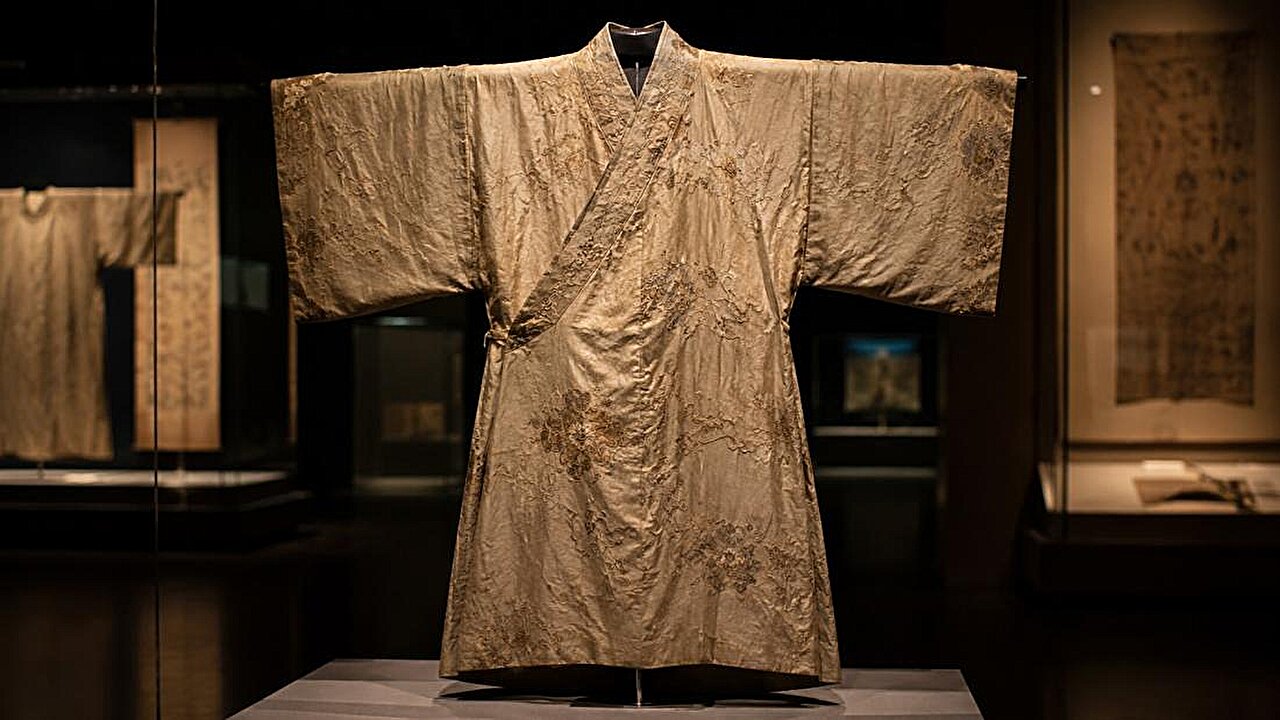
A new review of cultural heritage protection materials says museums, libraries and archives should pair better diagnostics with greener, more reversible treatments for fragile objects. Newcastle University in Singapore said the work focuses on organic heritage made from silk, leather, parchment, paper and wood, materials that can weaken, discolor, become brittle or decay over time.
The review was written by researchers from Zhengzhou University, the Palace Museum in China, the INCDTP–Leather and Footwear Research Institute in Romania, and Newcastle University in Singapore. The findings were published in npj Heritage Science.
How can museums protect fragile cultural heritage?
The review says preservation work is moving beyond visual inspection toward methods that can detect chemical and structural damage before it is obvious. Tools cited by the authors include infrared and Raman spectroscopy, X-ray diffraction, solid-state nuclear magnetic resonance, electron microscopy, mass spectrometry and DNA-based sequencing.
According to Newcastle University in Singapore, the strongest assessments come from combining techniques while limiting sampling from the original object. Portable spectrometers can help with rapid checks on site, imaging can show surface damage, and omics methods can identify microorganisms linked to biodeterioration.
The authors said no single test gives a full picture of an object’s condition. They identified openings for portable and non-destructive instruments, integrated monitoring platforms, environmental sensors, predictive maintenance tools, data-analysis software and specialist services that connect materials testing with conservation planning.
Why organic materials break down
The review links deterioration in silk, collagen-based objects and cellulose-based objects to two main chemical pathways: oxidation and hydrolysis. Temperature, humidity, ultraviolet light, air pollution and microorganisms can speed those reactions, changing molecular structure and reducing strength.
The authors said damage in silk and paper often begins in less ordered regions before affecting more crystalline areas. Leather and parchment face particular risks because collagen can lose its triple-helical structure through heat, humidity, acidity and biological attack.
That means preservation cannot depend on one environmental limit or a single standard treatment, according to the review. The correct response depends on the material, its condition and the cause of the damage.
Greener treatments and contactless protection
The review describes growing interest in biopolymer-based and nanostructured materials that may be more compatible with historic substrates. Examples include silk fibroin and bacterial cellulose for reinforcing silk, collagen-based nanomaterials for damaged leather, mineralized bacterial cellulose for paper deacidification, chitosan and plant-derived antimicrobials, cellulose nanofibers and silica-based wood coatings, and transparent barriers against water, pollutants or ultraviolet light.
The authors cautioned that a treatment’s immediate performance is not enough. Conservation materials also need to be removable, stable over long periods and compatible with the original object, because a coating or adhesive that later yellows, hardens or cannot be removed can create a new preservation problem.
The review also examines non-contact methods, including gamma irradiation, ultraviolet treatment, low-temperature plasma, low-oxygen environments and protective coatings applied to display glass rather than to the object. Such systems can help limit microbial growth, acidity, ultraviolet exposure and pollutant damage while avoiding direct contact with delicate surfaces.
Those methods have limits, the authors said, because they may not provide structural support and can be less protective than direct coatings in some cases. The review treats contact and contactless methods as tools that can be used together rather than as substitutes.
The authors list four priorities for future heritage technology: less destructive analysis, closer work among scientists and conservators, preventive materials that are removable and environmentally responsible, and treatments targeted to the specific cause of deterioration. For companies working in coatings, membranes, adhesives, hydrogels, nanomaterials, sensors and bio-based polymers, the review frames heritage conservation as a field built around diagnosis, monitoring, compatibility and long-term performance.
This story draws on original reporting from Phys.org.