
Corporate response to protest violence depends on local history, study finds
Researchers studying 2020 BLM protests found companies acted differently depending on a community's history with violence and grievance.
By Priya Raghavan · Science Reporter
3 min read
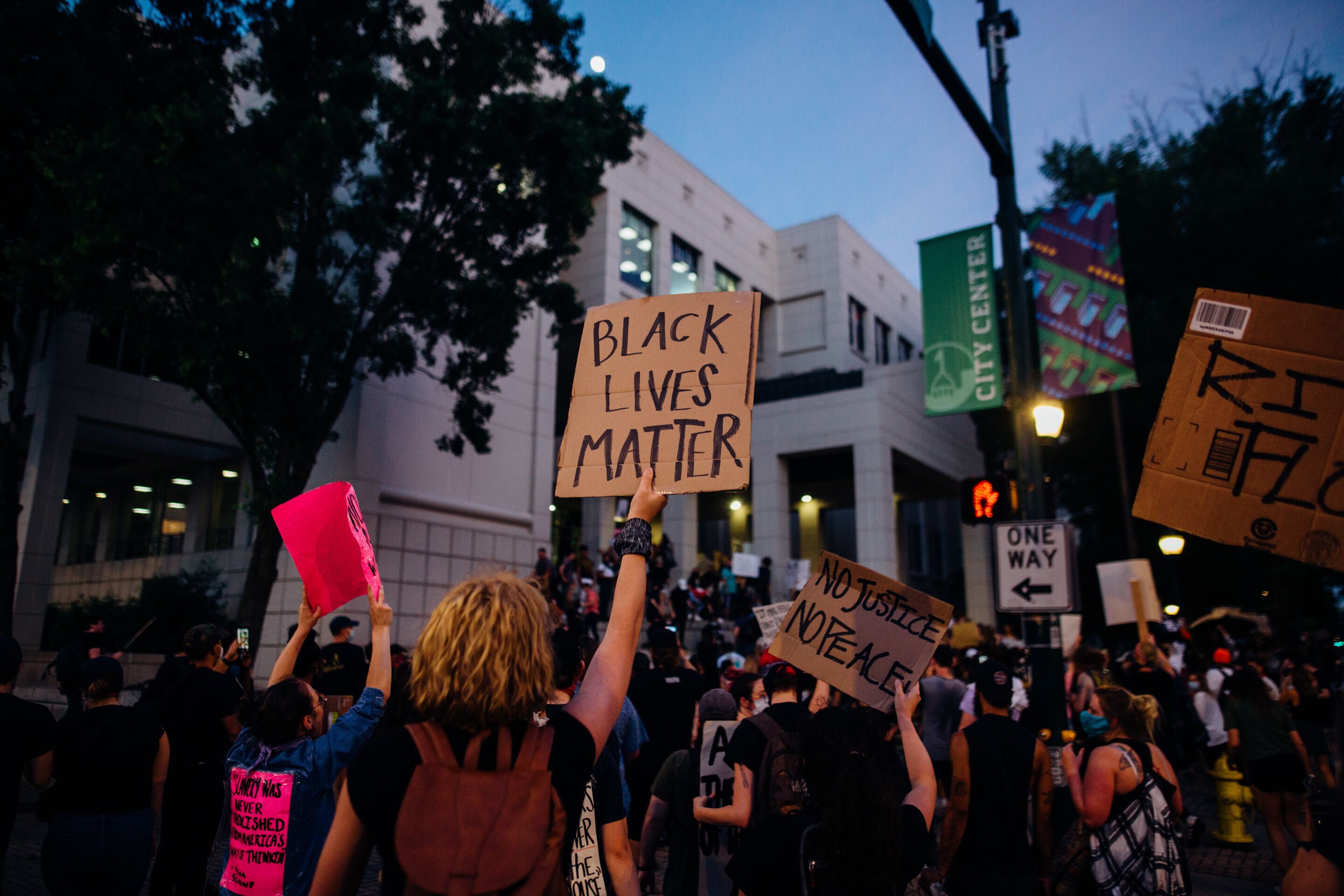
A new study of corporate response to protest violence finds that companies did not react to violent incidents in isolation. Cornell University said researchers found that local history helped shape whether businesses announced diversity-related actions during the 2020 Black Lives Matter movement.
The study was led by Forrest Briscoe, a professor of organizational behavior at Cornell’s ILR School, with Mark DesJardine of Dartmouth and Muhan Zhang of the Chinese University of Hong Kong. Their paper, “Interpreting Violence: How Community Context Shapes Corporate Responses to Street Protests,” appeared in the June issue of Administrative Science Quarterly.
How do companies respond to protest violence?
According to Cornell, the researchers examined corporate diversity action announcements linked to local Black Lives Matter protests in 2020. They compared reported protest violence with characteristics of the communities where companies were based.
The study found that communities with more reported violence at BLM protests saw more local corporate diversity announcements only when those places had little history of violence in earlier non-BLM protests. Briscoe and his co-authors argued that business leaders read violent episodes through the local record of past unrest.
In communities where protests across many causes had often turned violent before, the researchers found that new violence was more likely to be interpreted as part of a broader pattern of disorder. Cornell said that context appeared to reduce the legitimacy of the movement among community stakeholders and made business leaders less likely to announce supportive actions.
The pattern was different in places with a history of events that supported the protesters’ central grievance. The researchers cited police shootings of Black citizens as an example of local events that could make protest violence appear more connected to systemic problems, according to Cornell. In those places, companies were more likely to announce action tied to the movement’s underlying social cause.
What community history did the researchers study?
Briscoe’s team focused on two kinds of local context. One was whether a community had a record of protests becoming violent across issues unrelated to BLM. The other was whether the community had experienced events that validated the grievance at the center of the protests.
Briscoe told Cornell that the work grew out of earlier research finding that businesses responded more strongly to large local street protests. The new study asked whether violence had a similar effect, but the researchers treated violence as a less direct signal because people may disagree about what caused it.
Briscoe said the findings may reach beyond the 2020 BLM protests because activism and violence are increasing globally, while business leaders face pressure to decide whether and how to respond. He said the study suggests executives use community context when trying to judge what is driving violence near them.
Cornell said Briscoe’s broader research examines how companies and institutions change as society changes, including the influence of social movements on organizations. In discussing the BLM setting, Briscoe also noted that the movement brought many people together in support of racial equality while exposing lasting divisions in the United States.
This story draws on original reporting from Phys.org.