
Coffee liver health study links daily cups to lower disease risks
Cedars-Sinai researchers found coffee drinkers had lower risks of cirrhosis, liver cancer and liver-related death in UK Biobank data.
By Tom Brennan · Health & Medicine Correspondent
3 min read
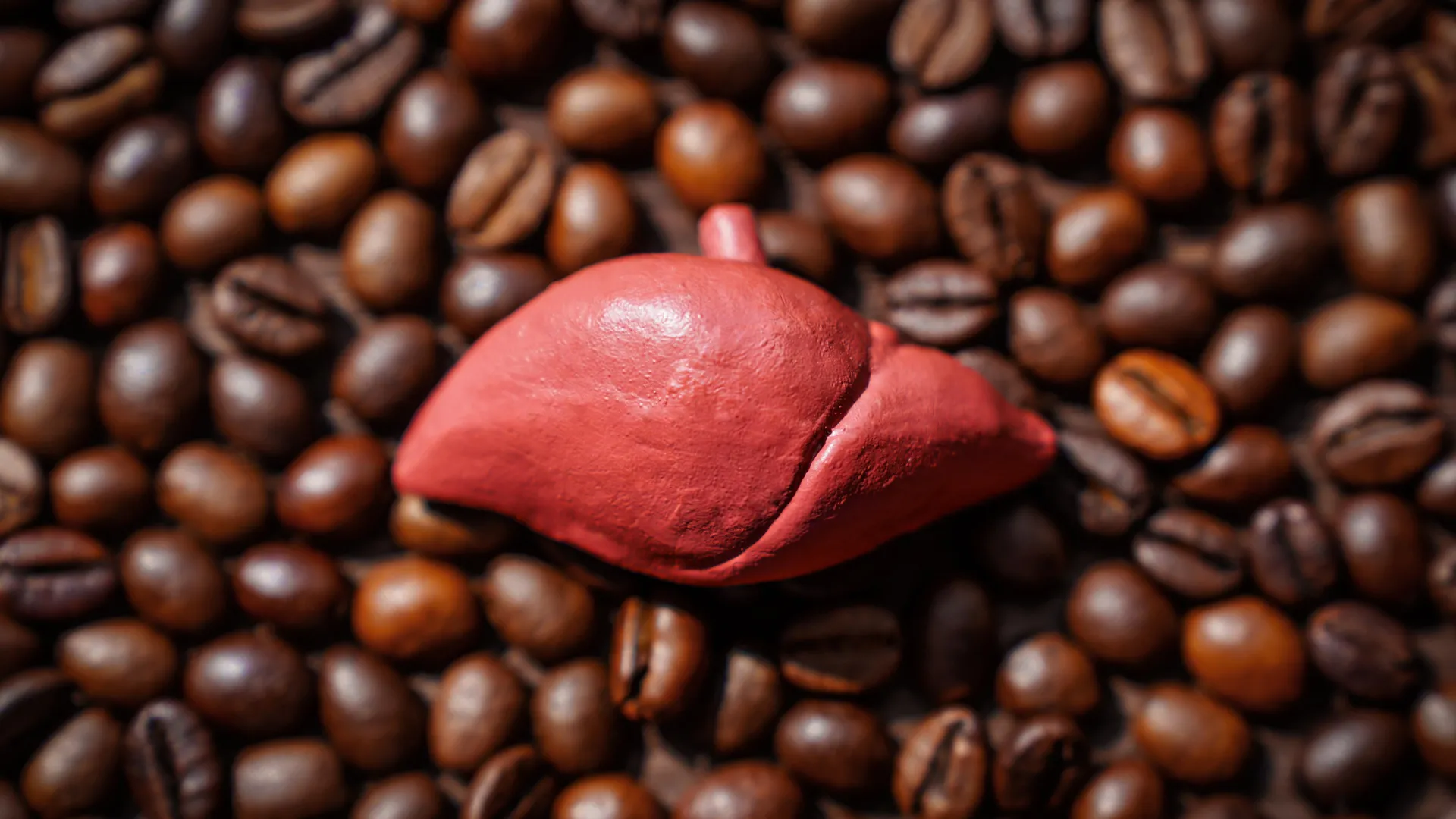
A large coffee liver health study from Cedars-Sinai Health Sciences University has linked coffee drinking with lower risks of cirrhosis, liver cancer and death from liver disease. The findings matter because researchers also found scan and blood-protein patterns that may help explain the association.
The study, published in Clinical Gastroenterology and Hepatology, used UK Biobank data on 354,957 adults who did not have cirrhosis or liver cancer at the start. Cedars-Sinai said researchers followed participants through linked medical records for a median of 13 years.
Compared with people who did not drink coffee, participants who reported five or more cups a day had a 32% lower risk of cirrhosis, a 47% lower risk of liver cancer and a 42% lower risk of dying from liver disease, according to the researchers.
Does coffee protect the liver?
The study found associations between coffee intake and better liver outcomes, but it did not prove that coffee directly prevents liver disease. Because the research was observational, other factors could help explain some of the differences between coffee drinkers and non-drinkers.
Cedars-Sinai hepatologist Hyunseok Kim, the corresponding author, said the work went beyond earlier studies by following hundreds of thousands of people and combining health outcomes with liver MRI scans and blood protein analyses. He said those findings help point to possible biological mechanisms behind coffee’s link with healthier livers.
The MRI data showed that people who drank more coffee tended to have lower levels of liver fat, excess liver iron, fibrosis and liver inflammation, according to Cedars-Sinai. Blood samples also showed higher levels of proteins tied to healthy liver function and lower levels of proteins associated with inflammation and tissue scarring.
The researchers reported signs of benefit even among people who drank one or two cups a day. The strongest associations appeared around three to four cups daily, although the group drinking five or more cups also had lower risks in the outcomes measured.
Cedars-Sinai said the findings do not amount to advice to raise intake to five cups a day. Ju Dong Yang, senior author and medical director of the Liver Cancer Program at Cedars-Sinai, said the results support moderate coffee consumption for people who already drink it and tolerate it, while liver prevention should still focus on weight, alcohol use, exercise and managing blood sugar, blood pressure and cholesterol.
Both caffeinated and decaffeinated coffee were associated with better liver outcomes. Cedars-Sinai said that pattern suggests caffeine is unlikely to be the only component involved, since coffee contains many naturally occurring compounds that may affect inflammation, scarring and other processes tied to liver disease.
Coffee is not appropriate for everyone. Cedars-Sinai said people with uncontrolled high blood pressure, some heart rhythm disorders, severe anxiety, insomnia or medical instructions to limit caffeine should consult a health care provider before increasing coffee intake.
Shelly Lu, a study author and director of the Karsh Division of Gastroenterology and Hepatology at Cedars-Sinai, said future work will try to identify which coffee compounds are tied to the liver-related associations. The researchers said pathways involving inflammation and scarring are among the targets for further study.
This story draws on original reporting from ScienceDaily.