
Climate-smart agriculture trust among farmers drives knowledge sharing, study finds
A study of 514 smallholder farmers in Guatemala and Honduras found peer trust helps climate-smart practices spread through communities.
By Priya Raghavan · Science Reporter
3 min read
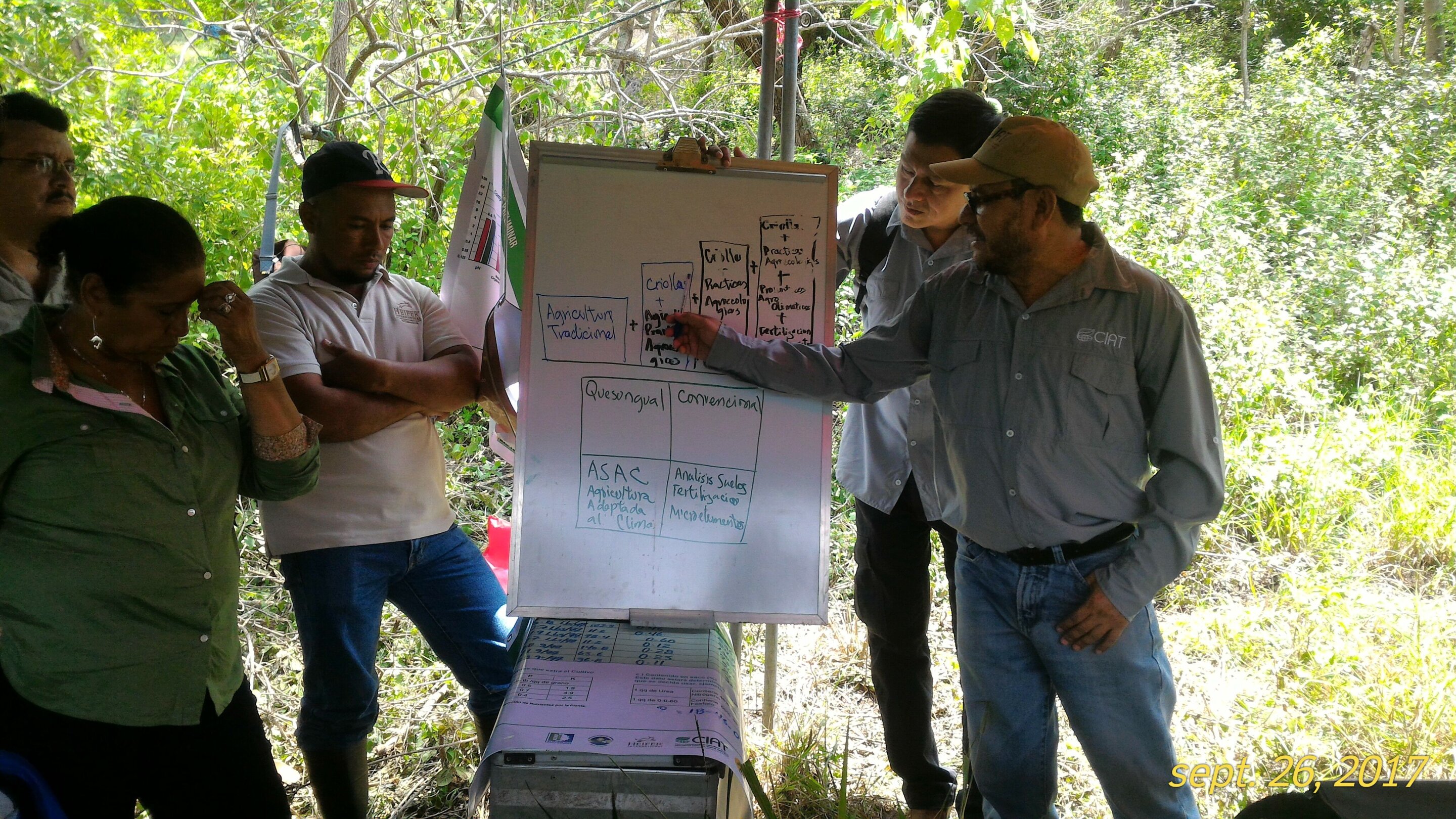
Climate-smart agriculture trust among farmers is a strong factor in whether new farming practices are discussed and shared, according to a study published in Agricultural Systems. The findings matter because climate variability and extreme weather are increasing pressure on agrifood systems to spread resilience-building practices faster.
Researchers from the Alliance of Bioversity International and CIAT, the University of Copenhagen and the Gates Foundation analyzed data from 514 smallholder farmers in Climate-Smart Villages in Guatemala and Honduras. The villages are known in Spanish as Territorios Sostenibles Adaptados al Clima, or TeSAC.
The study, titled “Trust, support, and knowledge sharing: The role of social capital in responsible scaling of climate-smart agriculture,” examined how social capital affects the movement of knowledge about climate-smart agriculture. The researchers focused on trust, close relationships, mutual support and knowledge sharing among farmers.
How does trust help climate-smart agriculture spread?
Trust helps climate-smart agriculture spread by making farmers more willing to talk about what they are trying, what results they see and how a practice might fit local conditions. The study treats that exchange of knowledge as an early sign that an innovation may later expand more widely.
The researchers reported that farmers who trust others in their community are more likely to share experiences, discuss new practices and learn from peers. Close relationships also strengthen learning networks, allowing knowledge and experience to circulate inside communities.
Dr. Deissy Martínez-Barón, a researcher in Scaling for Impact and Climate Action at the Alliance of Bioversity International and CIAT, said the study shows scaling depends on more than an innovation’s technical features. She said trust, close relationships and mutual support create conditions that encourage farmers to exchange knowledge, which can be observed early in responsible scaling.
Mutual support mattered where trust was lower
The study found that mutual support was especially important in communities where trust levels remained low. In those settings, guidance, collaboration and the sharing of experience helped keep knowledge moving among farmers, according to the researchers.
The researchers also found that trust in organizations had less influence than trust among farmers themselves. That result points to the role of community relationships in spreading knowledge about new practices, rather than relying mainly on outside institutions.
The study identified a positive association between the adoption of climate-smart agricultural practices and knowledge sharing. It did not present knowledge sharing as the same thing as adoption; instead, it described it as a visible early-stage process that may support later expansion.
What does responsible scaling mean?
Responsible scaling means expanding an innovation while paying attention to local conditions, inclusion and possible unintended effects. In this study, the researchers argue that tracking how knowledge moves among farmers can help programs understand whether scaling is beginning in a way that communities can adapt and use.
For governments, development organizations and innovation programs, the findings support putting social relationships at the center of efforts to spread climate-smart agriculture, according to the study. The authors say that approach can strengthen local ownership and help design strategies suited to different production realities.
The paper was published in Agricultural Systems with the DOI 10.1016/j.agsy.2026.104874. The research was provided by the Alliance of Bioversity International and the International Center for Tropical Agriculture.
This story draws on original reporting from Phys.org.