
Cellphones tied to lower reading comprehension in UCLA study of kids
UCLA researchers found phone ownership, not bringing a device to school, was linked to lower reading scores among third- and sixth-graders.
By Tom Brennan · Health & Medicine Correspondent
3 min read
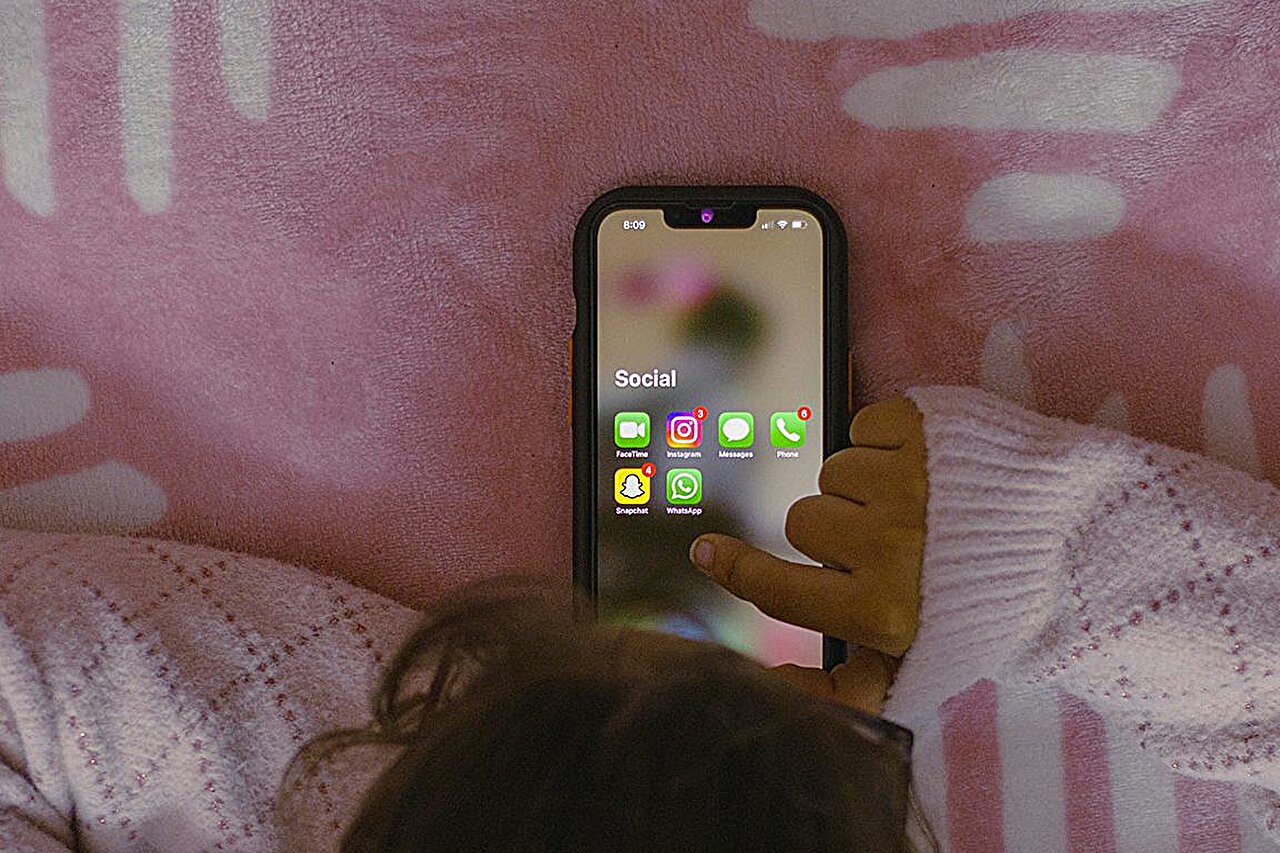
A UCLA-led study on cellphones reading comprehension found that elementary students who owned personal phones scored lower on reading comprehension than classmates who did not. The finding matters for schools and parents because the researchers reported that having the device at school did not explain the gap.
The study, published in Behavioral Sciences, examined third- and sixth-grade students in Antelope Valley public schools and Coptic Church schools in Los Angeles County, according to UCLA. The children came from culturally and linguistically diverse backgrounds, and phones were normally permitted in the school settings studied.
UCLA psychology professor Patricia Greenfield, the lead author, said the team found the pattern across both grades: phone ownership itself was linked with poorer reading comprehension, rather than a particular age of first getting a phone.
Do cellphones hurt kids’ reading comprehension?
The study found a statistically significant association between owning a personal cellphone and lower reading comprehension scores, UCLA said. It did not show that phones caused the lower scores, and the researchers framed the result as a correlation.
Researchers tested whether the immediate presence of a phone affected performance. Some students had a phone with them at school and others did not; some owned phones and others did not. The children read short passages, answered questions about what they understood and completed a survey about phone ownership and use.
According to UCLA, students who brought phones to school performed similarly to students who did not have phones with them that day. The researchers also found no reading-comprehension difference when phones were placed on desks versus kept out of sight.
The team could not assess whether notifications distracted students because the children received almost no notifications during the experiments, UCLA said. The reported age at which a child first got a phone also was not tied to reading comprehension skill.
What did the study find about texting?
The results included a narrower positive finding for students from homes where English was not spoken. Among those students who owned phones, earlier texting was associated with better reading comprehension, according to UCLA.
Greenfield said students from Arabic- or Spanish-speaking homes who began texting in second or third grade had, by sixth grade, reading comprehension scores comparable to peers who still did not own phones. The study did not report the same texting benefit for all students.
What does this mean for school phone bans?
The researchers said the findings suggest school cellphone bans may not improve reading comprehension through sixth grade if ownership outside school is the factor tied to lower scores. A school ban limits access during class, but it does not address whether a child has a personal phone in daily life.
UCLA said the authors still expect elementary school phone bans could help social skills and relationships by increasing in-person contact with peers and teachers. They identified those social effects as a topic for future research.
The paper’s co-authors are UCLA postgraduate research assistant Marola Hanna, doctoral student Rocio Burgos-Calvillo and assistant research professor Laura Rhinehart. The study is titled “Children, Cell Phones, and Reading Comprehension.”
This story draws on original reporting from Phys.org.