
Canada workplace heat injuries rise as temperatures climb, research shows
Studies cited by Canadian researchers link hotter days to more injuries, as heat rules vary widely by province and sector.
By Lucas Ferreira · Science & Environment Writer
3 min read
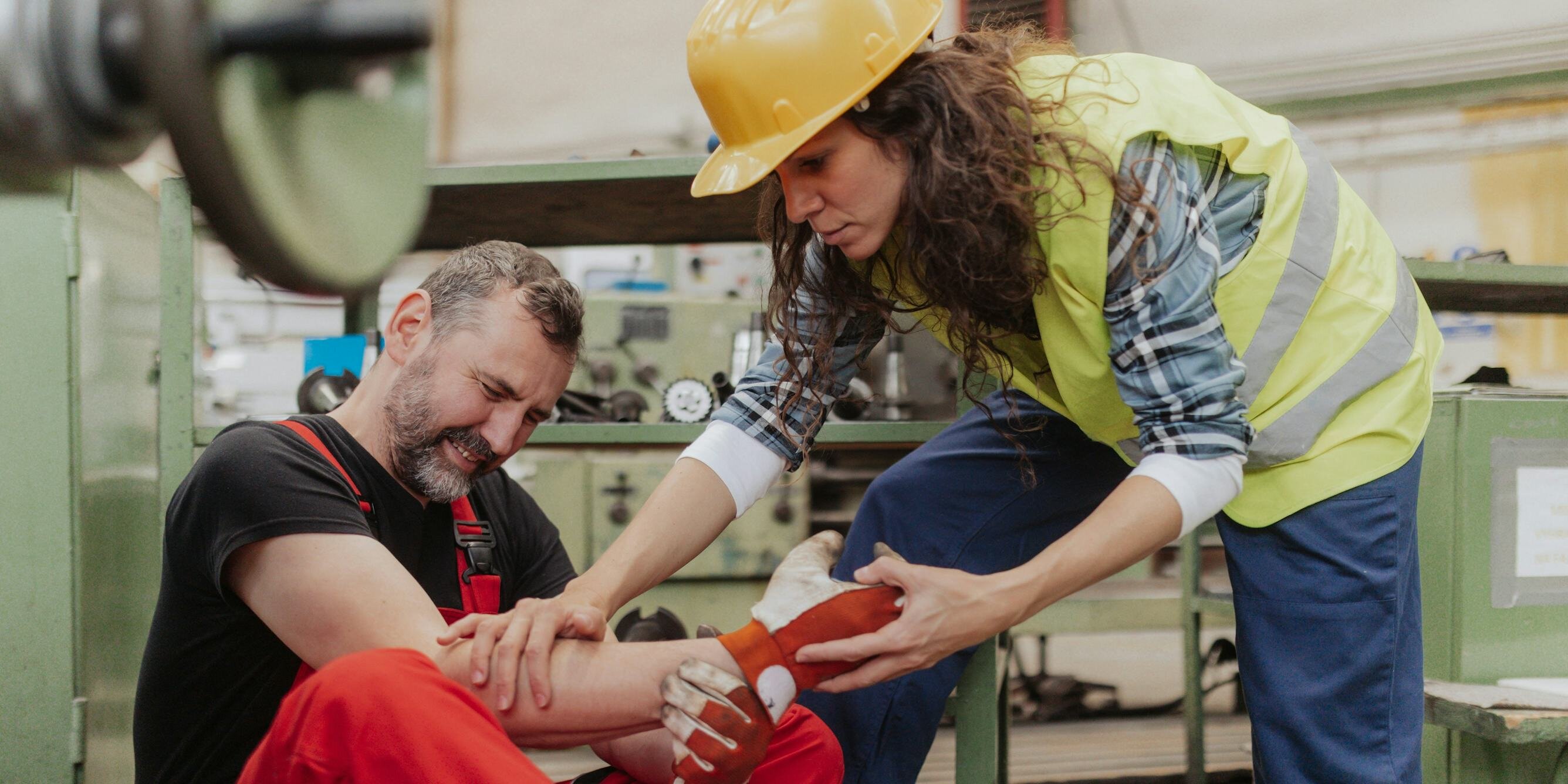
Canada workplace heat injuries are drawing new attention as heat warnings spread across the country and research links hotter days to higher injury rates. Researchers writing in The Conversation say the risk goes beyond heat exhaustion and heat stroke, extending to falls, crashes and other routine workplace incidents.
Heat alerts have affected regions from Atlantic Canada and southern British Columbia to the Prairies, central Canada and the Northwest Territories this summer. During a mid-July heat wave, Environment Canada reported humidex values reaching 45 C in parts of southern Ontario and western Quebec.
For workers in construction, agriculture, warehouses, kitchens and factories, those conditions can be part of a normal shift. Nick Turner, Julian Barling and Kaylee Somerville wrote that official injury records may miss much of the burden because heat often contributes to an incident without being listed as the injury cause.
How does heat raise workplace injury risk?
High temperatures can cause dehydration and fatigue and can weaken attention, judgment, balance and reaction time, according to research cited by the authors. That means heat can make ordinary hazards more dangerous, including ladders, vehicles, machinery and repetitive tasks.
A peer-reviewed Quebec study linked 374,078 accepted workers’ compensation claims from 2003 through 2010 with daily temperatures. The study found that each 1 C increase in the daily maximum temperature was associated with about a 0.2% rise in the workplace injury rate, and the increase appeared in both indoor and outdoor industries.
A nationwide U.S. study cited by the authors found a similar pattern after researchers matched more than 845,000 injury reports with weather conditions. Compared with a heat index of 80 F, or about 27 C, the odds of injury were 3% higher at 90 F, 10% higher at 100 F and 20% higher at 110 F; the researchers estimated heat caused about 28,000 extra workplace injuries in the United States in 2023.
What are Canada’s workplace heat rules?
Canada does not have one national minimum standard for protecting workers from extreme heat, according to the Canadian Centre for Occupational Health and Safety information cited by the authors. Provinces and territories require employers to protect health and safety, but the specific heat requirements differ.
British Columbia requires employers to assess heat exposure and prepare a control plan when workers may be at risk, including engineering controls where feasible and cool drinking water. Quebec uses wet-bulb globe temperature, a measure that accounts for heat, humidity, radiant heat and air movement, and sets controls when exposure limits are reached.
Ontario and Alberta rely more on broad employer duties, hazard assessment and government guidance rather than provincewide heat-specific standards, according to the researchers. New federal thermal-stress rules have been adopted for federally regulated workplaces, but they are not set to take effect until February 2027.
The authors pointed to California research as evidence that rules need clear triggers and enforcement. One peer-reviewed study found California’s 2005 outdoor heat standard was not linked to fewer deaths at first, while later periods with stronger enforcement and rules were associated with larger estimated reductions in heat-related worker deaths.
Turner, Barling and Somerville argue that Canadian governments should set a common baseline covering indoor and outdoor work. They said employer plans should account for temperature, humidity, radiant heat, workload and protective clothing, and should include water, cooled rest areas, paid breaks, acclimatization, training, emergency procedures and stop-work steps.
This story draws on original reporting from Phys.org.