
California marine heat wave threatens whales, sea lions and seabirds
NOAA says coastal waters are 3 to 4 C above normal as warmer seas disrupt food supplies and fuel toxic algae along California.
By Tom Brennan · Health & Medicine Correspondent
3 min read
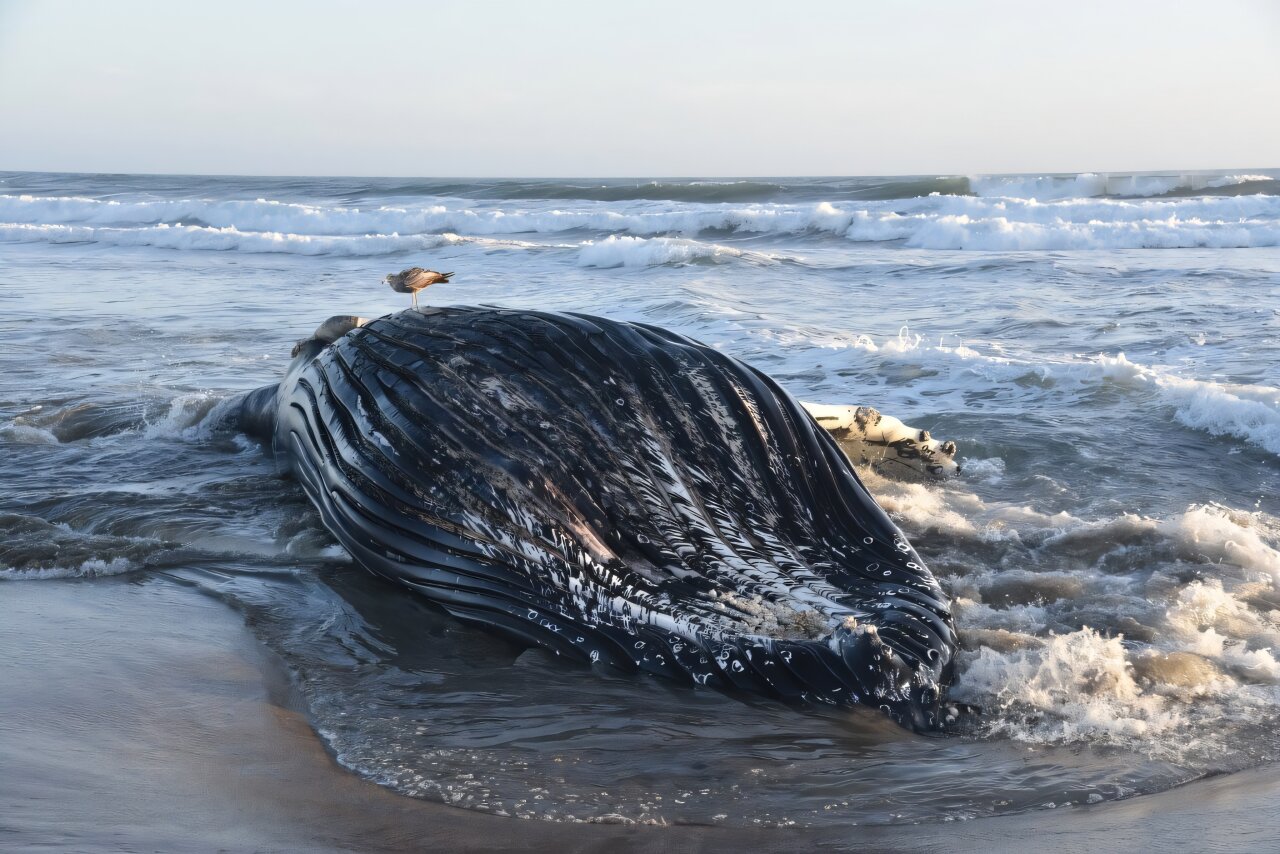
A California marine heat wave is disrupting coastal wildlife, with fewer whale and dolphin sightings, dead seabirds near San Diego and toxic algae linked to whale deaths in Monterey Bay. NOAA says surface waters along the state’s coast are running 3 to 4 degrees Celsius above normal, a shift that matters because small fish, marine mammals and seabirds are tightly connected in the same food web.
Sara Lesser, a naturalist at the Aquarium of the Pacific in Long Beach, told AFP that whale-watching trips this summer are producing fewer sightings than in a typical year. Lesser said anchovies and sardines, key prey for dolphins and whales, are moving into cooler water either deeper offshore or farther north, and the larger animals are following that food.
What is happening in the California marine heat wave?
A marine heat wave is a prolonged period when ocean surface temperatures stay above normal. Andrew Leising, a NOAA research oceanographer, told AFP the current event has lasted about six months, and NOAA’s measurements show coastal surface waters well above their usual temperatures.
Leising said the heat is coinciding with the return of El Niño, the Pacific climate pattern that warms surface waters in the central and eastern equatorial Pacific and can affect weather around the world. AFP reported that scientists expect this year’s El Niño could be among the strongest on record.
Leising told AFP the coming El Niño may exceed the 2015-2016 event in strength. During that earlier period, AFP reported, El Niño intensified a heat wave that began in 2014, and California saw large numbers of dead birds, malnourished sea lions and whales washing ashore after fish became harder to reach.
Why are whales, sea lions and birds at risk?
Warmer water can push forage fish away from the surface or out of familiar feeding areas, according to AFP’s interviews with Lesser and Leising. That leaves seabirds, whales, dolphins and sea lions with less reliable access to food.
AFP reported that dozens of pelicans and cormorants have recently been found dead near San Diego. Leising said sea lions may be vulnerable next because females can leave pups behind while searching farther for food when conditions worsen.
The heat also encourages harmful algal blooms that contain domoic acid, Leising told AFP. The toxin can contaminate anchovies and sardines, then sicken animals that eat them.
In Monterey Bay, south of San Francisco, AFP reported that two humpback whales were found dead onshore in early June after harmful algae became widespread. Elliott Hazen, an adjunct professor in ecology and evolutionary biology at the University of California, Santa Cruz, told AFP that such deaths had not occurred there in a decade and said the cases show how much domoic acid is present in the ecosystem.
Why are great white sharks being seen closer to shore?
The same warm-water conditions are also bringing young great white sharks nearer to beaches, Lesser told AFP. During an Aquarium of the Pacific whale-watching trip, AFP reported, a shark briefly surfaced close enough for its fin to be seen.
Lesser said young sharks prefer warmer water, which helps explain the closer nearshore sightings. AFP reported that a Malibu resident recently posted video of a white shark swimming within a few yards of children, and that Huntington Beach halted swimming three times this spring because sharks were considered aggressive.
Hazen told AFP that climate change is intensifying the problem. AFP reported that California has experienced marine heat waves every year since 2019, raising concern among scientists that repeated heat events could damage the ecosystem and reduce fish species people depend on for food.
This story draws on original reporting from Phys.org.