
Brown tree snakes Guam study finds hidden genetic diversity
A University at Buffalo-led study says structural DNA variants may explain how Guam’s invasive brown tree snakes thrived after inbreeding.
By Priya Raghavan · Science Reporter
3 min read
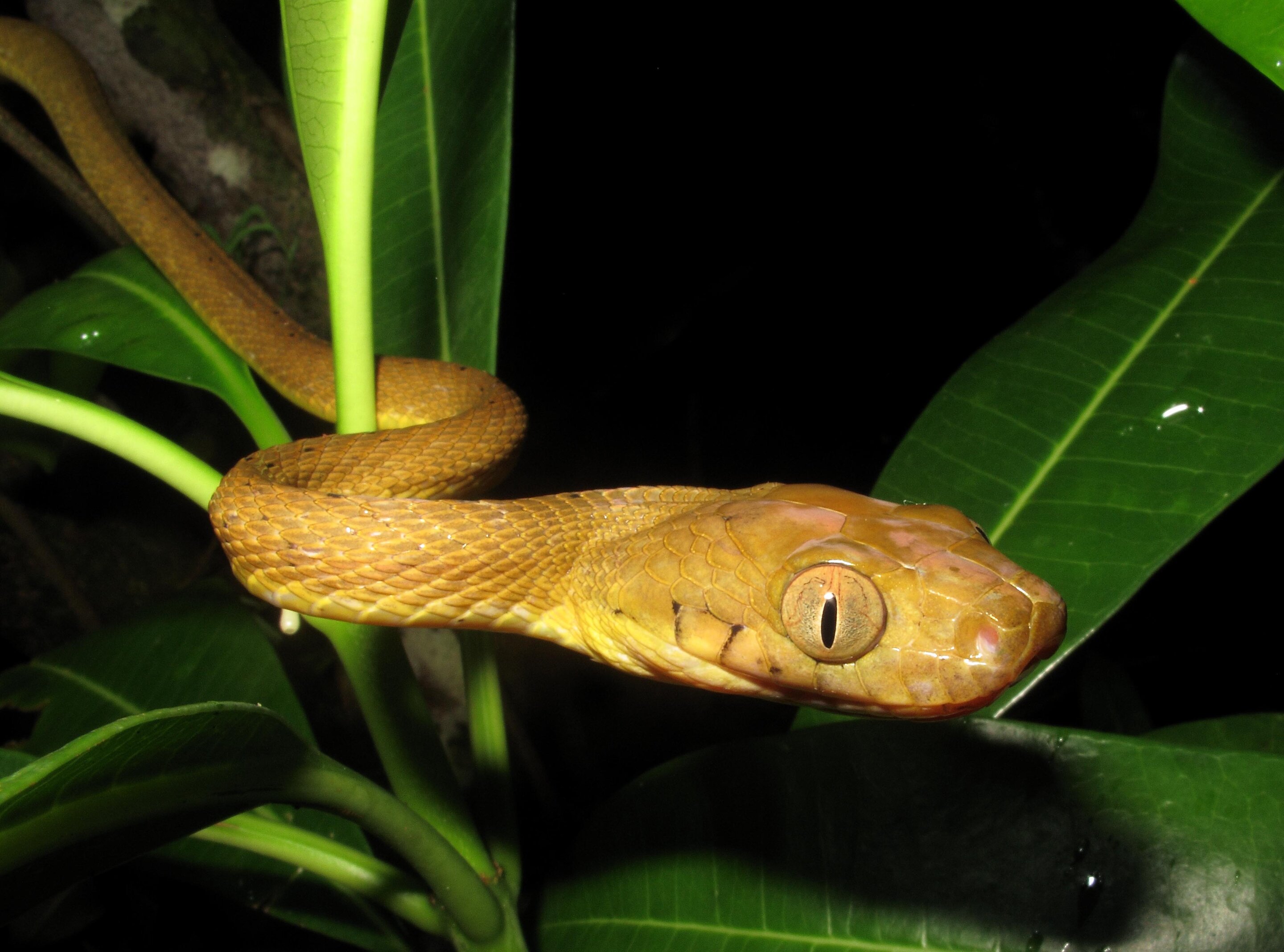
A new study on brown tree snakes Guam researchers have struggled to explain says the invasive reptiles may carry more useful genetic variation than earlier tests showed. The University at Buffalo-led research, published in Science Advances, points to hidden DNA changes that could have helped a small founder population spread across the island.
According to the University at Buffalo, brown tree snakes are native to Australia and the South Pacific and reached Guam sometime after World War II, possibly as stowaways on cargo aircraft. Since then, the snakes have helped drive many native forest birds on the U.S. territory to local extinction and have caused hundreds of power outages each year by climbing electrical equipment.
The university said the invasion has long puzzled biologists because the population appears to have started with only a small number of snakes. Inbreeding after such a narrow start would usually be expected to reduce adaptability and slow growth, yet the snakes now reach densities as high as 30,000 per square mile in some areas, according to the same account.
How did brown tree snakes take over Guam?
The study’s answer centers on structural variants, which are larger changes in DNA such as duplicated, missing or rearranged segments. Researchers from the University at Buffalo and the U.S. Geological Survey used long-read sequencing, a newer approach that can read much longer stretches of DNA than older methods focused mainly on single-letter genetic changes.
The team found more than 19,000 structural variants in the brown tree snake genome, according to the University at Buffalo. Those variants were concentrated in genes tied to immune function and olfaction, the sense of smell.
Structural variants can affect blocks of DNA at least 50 base pairs long, and the university said they influence far more of the genome overall than single base-pair changes. In plain terms, older sequencing could miss larger rearrangements that may matter for survival, reproduction or behavior.
Trevor Krabbenhoft, an associate professor of biological sciences at the University at Buffalo and the study’s corresponding author, said the snakes may not be highly diverse overall but do appear to have important genetic variation that has been overlooked.
Why smell genes matter
The researchers said the concentration of variants in smell-related genes is notable because brown tree snakes use chemical cues to find prey. The snakes use their forked tongues to sample the air, according to the University at Buffalo.
Levi Gray, a postdoctoral researcher in Krabbenhoft’s lab, said the genetic findings may relate to a behavioral difference seen in Guam. The university reported that brown tree snakes eat other snakes in their native range, while there is little evidence that they do so on Guam; Gray suggested their sense of smell may help them recognize one another more like close relatives than prey, especially in an inbred population.
The DNA used in the project came through work with the USGS Brown Tree Snake Rapid Response Team, which works to prevent the species from spreading in the United States and its territories, according to the University at Buffalo.
What the study does not yet show
The study does not settle when the structural variants appeared. Gray said researchers would need to sequence snakes from native populations to know whether the changes were already present before the Guam invasion or developed afterward.
The University at Buffalo said the findings may complicate control efforts by showing another way the invasive population could have endured a genetic bottleneck. Christopher Osborne, the study’s first author and now an aquatic biologist with State University of New York Oswego, said the work may also help conservation biologists understand how some endangered or inbred species retain more genetic flexibility than expected.
This story draws on original reporting from Phys.org.