
BirdNET Live app identifies animal sounds offline on smartphones
BirdNET Live runs AI on a phone to identify nearly 10,000 animal species by sound without cellular service, the University of Würzburg said.
By Tom Brennan · Health & Medicine Correspondent
3 min read
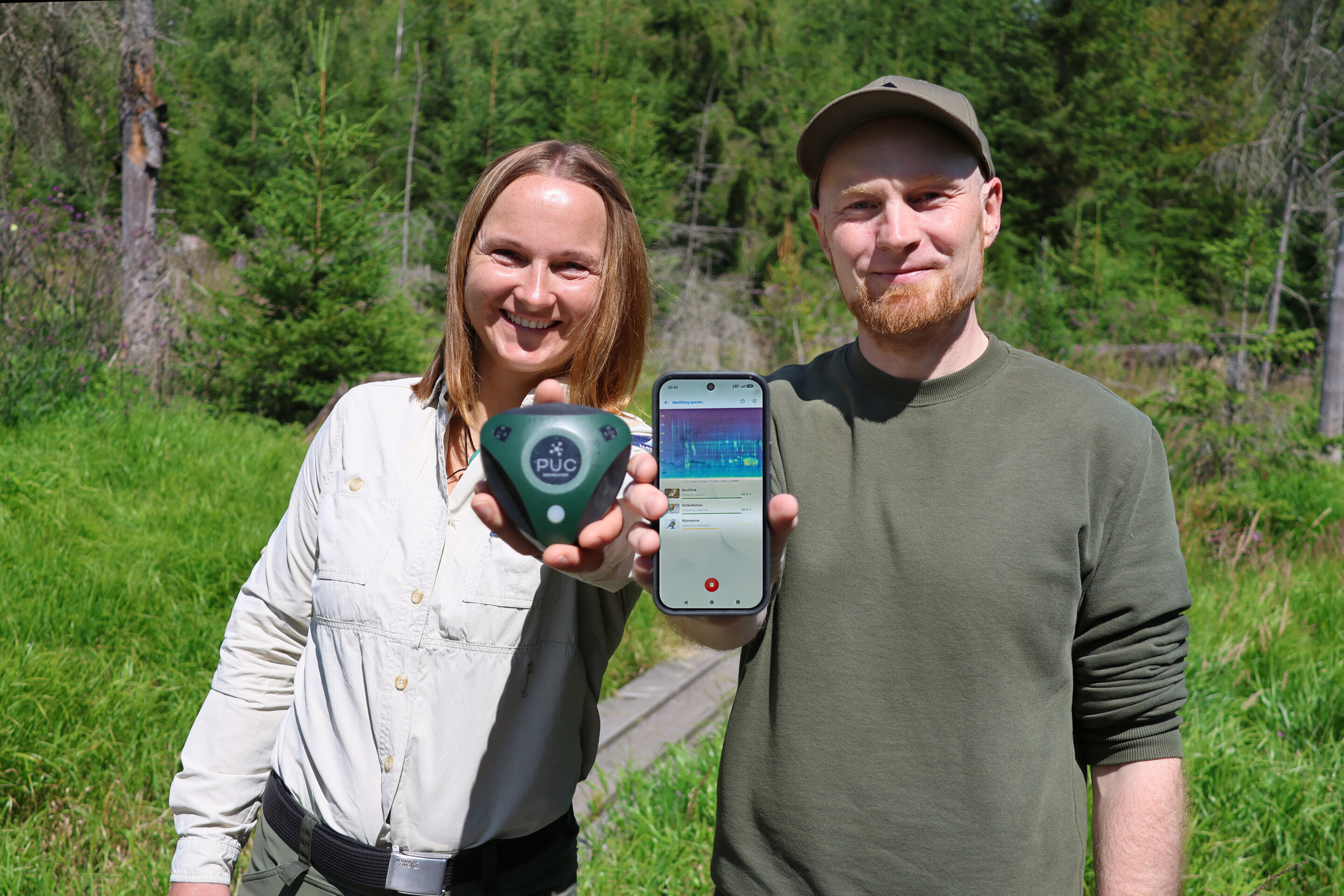
The BirdNET Live app can identify birds and other animals by sound directly on a smartphone, even where there is no internet connection, the University of Würzburg said. The offline capability matters for forests, mountains and protected areas where field researchers and rangers often lack reliable cellular service.
The app is an expansion of the earlier BirdNET system and uses AI models that have been reduced and sped up enough to run locally on phones, according to the university. Lead developer Dr. Stefan Kahl, from the Professorship of Media Informatics at the University of Technology Chemnitz, said the work required major advances in model optimization.
What is the BirdNET Live app?
BirdNET Live is an open-source smartphone app for real-time identification of animal calls, according to the University of Würzburg. It records sounds, analyzes them on the device and can store observations with location and time data for later review.
The university said the app can recognize 8,927 bird species out of about 11,000 known worldwide. It also identifies calls from 268 mammals, 254 insects and 340 amphibians, bringing its total coverage to nearly 10,000 species.
Kahl said BirdNET Live covers more species than any other offline app. The next strongest offline alternative can identify about 2,300 species, according to his comparison cited by the University of Würzburg.
How the app is designed for fieldwork
The University of Würzburg said BirdNET Live is aimed at conservation professionals, researchers, students, advanced citizen scientists and amateur birders. Unlike casual garden-use identification tools, it includes modes for structured surveys used in scientific fieldwork.
The app can run for extended periods, record calls in the background and associate detections with specific places and times, according to the university. Users can later review recordings, export them or share them with experts for validation.
The university said the app can also help users train their own identification skills because they can replay their recordings. With an external microphone, a user can keep the phone protected in a waterproof backpack while the app continues recording.
BirdNET Live’s interface is available in seven languages, and species names are translated into 25 languages, according to the University of Würzburg. The project’s open-source format is intended to make the tool broadly usable.
Who built BirdNET Live?
The app was developed through the RangerSound project, the University of Würzburg said. The collaboration included conservation biologists from the university, rangers at Bavarian Forest National Park, hardware specialists from Oekofor in Freiburg im Breisgau and AI experts at the University of Technology Chemnitz.
The group focused on problems that existing bioacoustic tools had in daily field use, according to the university. Kahl said cooperation between practitioners, conservation biologists and AI developers helped the team identify what was missing and build a practical tool for real field conditions.
Jörg Müller, chair of conservation biology and forest ecology at the University of Würzburg, said the app will be used in university teaching. He said it will let students collect standardized data for dissertations and field courses, and he expects it to help with research in lowland rainforest in Ecuador where cell service is unavailable.
Dr. Simon Verdon of the University of Würzburg, a member of the RangerSound project, said on-device analysis fits the needs of ranger teams in protected areas. He said rangers can leave the app running during patrols and get a picture of local species composition without relying on mobile coverage.
This story draws on original reporting from Phys.org.