
Backrooms digital tourism turns an internet horror myth into a destination
Researchers say the Backrooms’ rise shows how online horror worlds can become destinations users build, tour and revisit.
By Tom Brennan · Health & Medicine Correspondent
3 min read
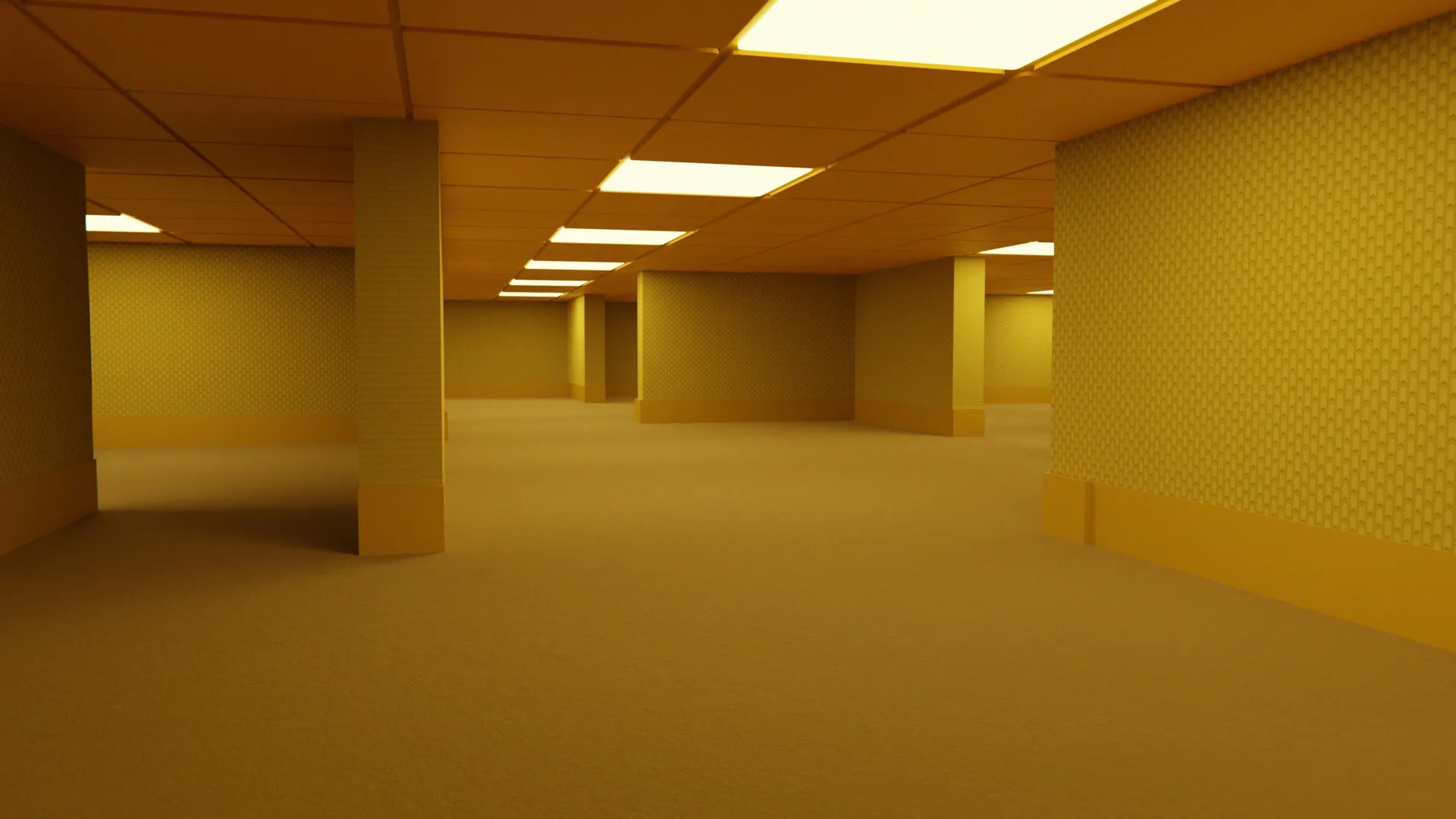
Backrooms digital tourism is the frame researchers are using for one of the internet’s best-known horror settings: a fictional maze of empty yellow rooms that users treat less like a story and more like a place to visit. Sophie James and James Cronin argue in a 2026 study in Annals of Tourism Research that the Backrooms show how online audiences can turn an invented location into a shared destination.
The Backrooms began in 2019 with an anonymous post on 4chan showing a drab, windowless interior with yellow walls, old carpet and fluorescent lighting, according to The Conversation. From that image, internet users built a mythology around the idea of accidentally falling out of ordinary reality and becoming trapped in a seemingly endless office-like maze.
The setting has since spread across Reddit, TikTok, YouTube, Instagram and gaming platforms. The Conversation reported that the r/backrooms subreddit has hundreds of thousands of members, TikTok’s #backrooms tag has more than half a million posts, and Instagram fan pages have helped extend the fictional world through images, edits and stories.
What is Backrooms digital tourism?
Backrooms digital tourism refers to people exploring and emotionally investing in a fictional online place as if it were a destination. In James and Cronin’s account, users do more than watch horror content: they add maps, diary-style accounts, survival guides, videos, games and first-person tours that make the setting feel explorable.
The researchers connect the pattern to “online legend-tripping,” a term used by folklore scholar Michael Kinsella for digital participation in legends. In that model, audiences become collaborators in the myth rather than spectators waiting for a finished version.
How did the Backrooms become so popular?
The Backrooms’ appeal rests partly on its familiar look. The Conversation describes the setting as drawing on hotel corridors, drop ceilings, aging office spaces and other ordinary “non-places” that people recognize but often ignore.
That familiarity gives the horror a different texture from monsters or haunted houses. The unease comes from spaces that seem mundane, abandoned and slightly wrong, while the absence of a fixed canon leaves room for users to invent new levels, rules and threats.
Filmmaker Kane Parsons helped move the Backrooms from static image lore into a more cinematic form through viral “found footage” videos on YouTube, according to The Conversation. Parsons is also adapting the concept into a feature-length horror thriller, a sign that the online myth has pushed beyond niche internet forums.
Why researchers compare it to dark tourism
Dark tourism usually describes visits to places associated with death, disaster, tragedy or the uncanny, such as prisons, abandoned sites or locations tied to unsettling events. James and Cronin argue that the Backrooms shift that idea into a fictional, online and participatory setting.
Unlike virtual tours of real dark heritage sites, the Backrooms have no physical site and no historical tragedy at the center. The attraction is the mood: abandonment, uncertainty, nostalgia and the feeling of entering a place that should be ordinary but does not behave like ordinary space.
The researchers say the phenomenon points to a broader change in how people use the internet. Digital worlds can function as places that users revisit, map, modify and care about, even when those places exist only through images, videos, games and shared stories.
This story draws on original reporting from ScienceDaily.