
Axolotl limb regeneration study models how cells rebuild tissue
Northeastern researchers used simulations and axolotl experiments to identify conditions tied to scar-free limb regrowth.
By Tom Brennan · Health & Medicine Correspondent
3 min read
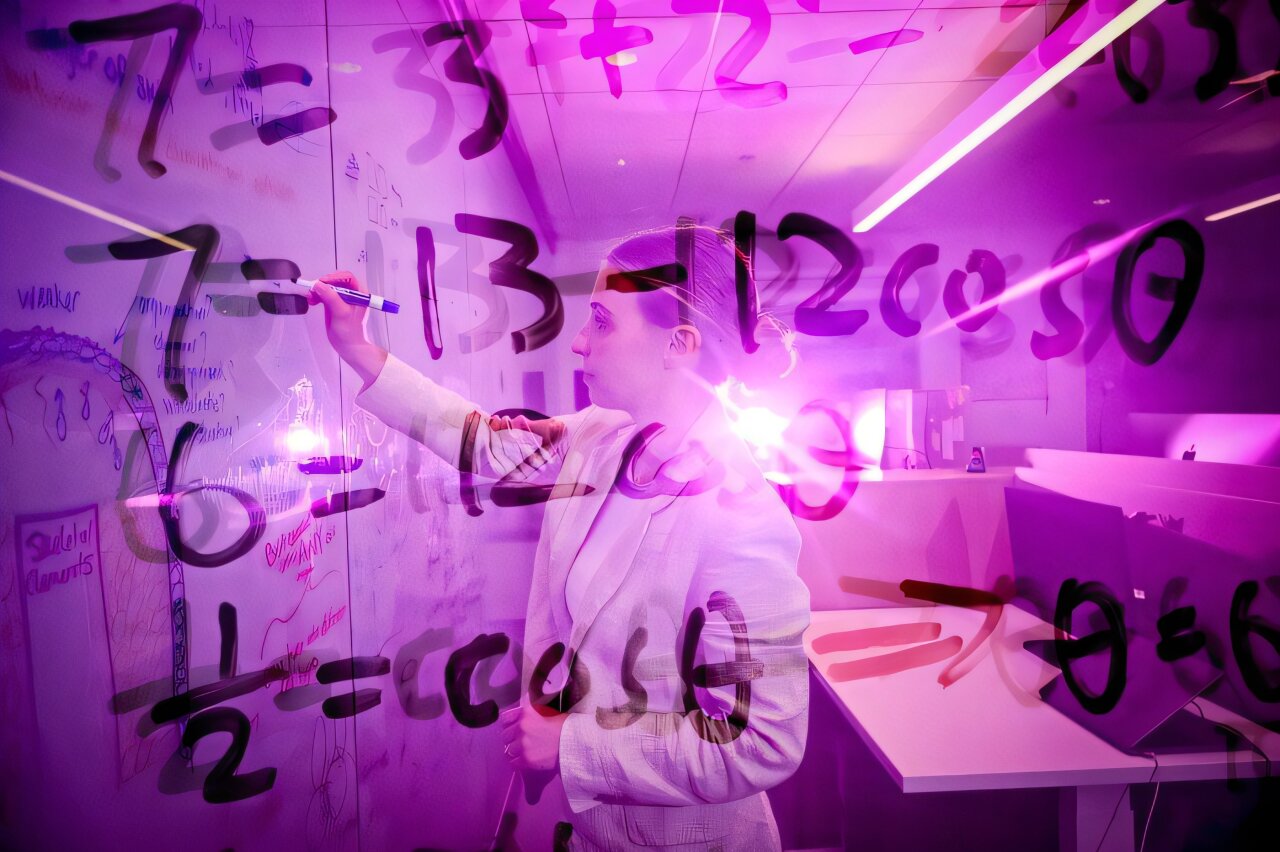
Northeastern University researchers studying axolotl limb regeneration say math-based simulations are helping explain why the salamanders can rebuild body parts that most vertebrates would heal with scars. The work matters because the same cellular choices that separate scarring from regrowth could point toward future wound-healing therapies, according to Northeastern professor Calina Copos.
Axolotls, aquatic salamanders native to Mexico, can regrow limbs and other body parts, including eyes and parts of the brain, according to Northeastern Global News. They also retain juvenile features rather than completing the transition that sends many amphibians into adult life on land, and most live 10 to 15 years.
Copos, a Northeastern professor of biology and mathematics, is studying how cells react to external signals after injury. She told Northeastern that a central question is why cells follow one route that produces wound closure and scar tissue, while another route produces regeneration.
How do axolotls regenerate limbs?
In ordinary wound repair, many organisms begin with fibrosis during the first week, Copos said. That process covers the injury with a sheet of cells that later becomes scar tissue, which protects the wound and preserves some function but is less flexible than the original tissue.
Regeneration requires a different cell program, according to Copos. Cells must move to the injury, communicate, divide and form a cone-shaped structure called a blastema, which develops into new working tissue.
Prayag Murawala, a researcher at the nonprofit MDI Biological Laboratory, told Northeastern Global News that axolotls can regenerate many body parts, including the heart, lung, liver, kidney, spinal cord, vertebrae and brain, without scarring. Scientists have also mapped the axolotl genome, which allows researchers to edit and follow the animals’ cells, Northeastern reported.
What the new model found
Copos and colleagues use computer simulations to model the behavior of cells under different biological conditions. Northeastern described the approach as a dry-lab method built from equations that represent events such as molecules moving, binding to cell receptors and triggering cell division.
Copos said the simulations give researchers precise control over modeled cell movement, behavior and division rates. Her group works with Northeastern biology professor James Monaghan, whose experiments record the same processes in living systems, allowing the team to compare predictions with observed regeneration.
In a recent paper posted to the bioRxiv preprint server, Copos, Monaghan and co-authors reported that two conditions were needed for blastema formation in their model. The wounded skin layer had to soften rather than stiffen with collagen associated with scarring, and the Wnt signaling pathway had to recruit cells involved in rebuilding tissue.
The paper, titled “Model recapitulates regenerative limb blastema formation through local softening of the wounded epithelium,” has been posted as a preprint with the DOI 10.64898/2026.03.11.711112. Preprints have not completed journal peer review.
What axolotl research could mean for medicine
Copos suggested that creating the right conditions might someday help start a regenerative protocol, replacing scar-based repair with new tissue growth. She said the long-term goal would be at least partial regeneration of a functioning limb.
James Godwin, a senior scientist at MDI Biological Laboratory, cautioned that lab-grown limbs are not imminent. He told Northeastern that the nearer payoff is learning the rules cells use when they rebuild tissue, with possible applications in wound healing, scar reduction, heart and nervous-system repair after injury, and better integration of transplanted or engineered tissues.
Fei Sun of the Morgridge Institute for Research, who studies regeneration in zebrafish, told Northeastern Daily News that related research aims to replace lost cells, rebuild damaged or diseased tissues and restore organ function safely for patients with traumatic injuries, degenerative diseases and age-related decline.
Aubrey de Grey, founder of the Longevity Escape Velocity Foundation, told Northeastern that axolotls’ regenerative ability is linked to strong anti-cancer defenses, since cell division can raise cancer risk. He said that feature could help researchers think about how damaged human tissues might be repaired without triggering other disease processes.
This story draws on original reporting from Phys.org.