
Australia peat fires can protect some wetlands when controlled
A researcher says carefully managed burns can help some Australian peatlands, even as dry peat fires remain a major climate risk.
By Tom Brennan · Health & Medicine Correspondent
3 min read
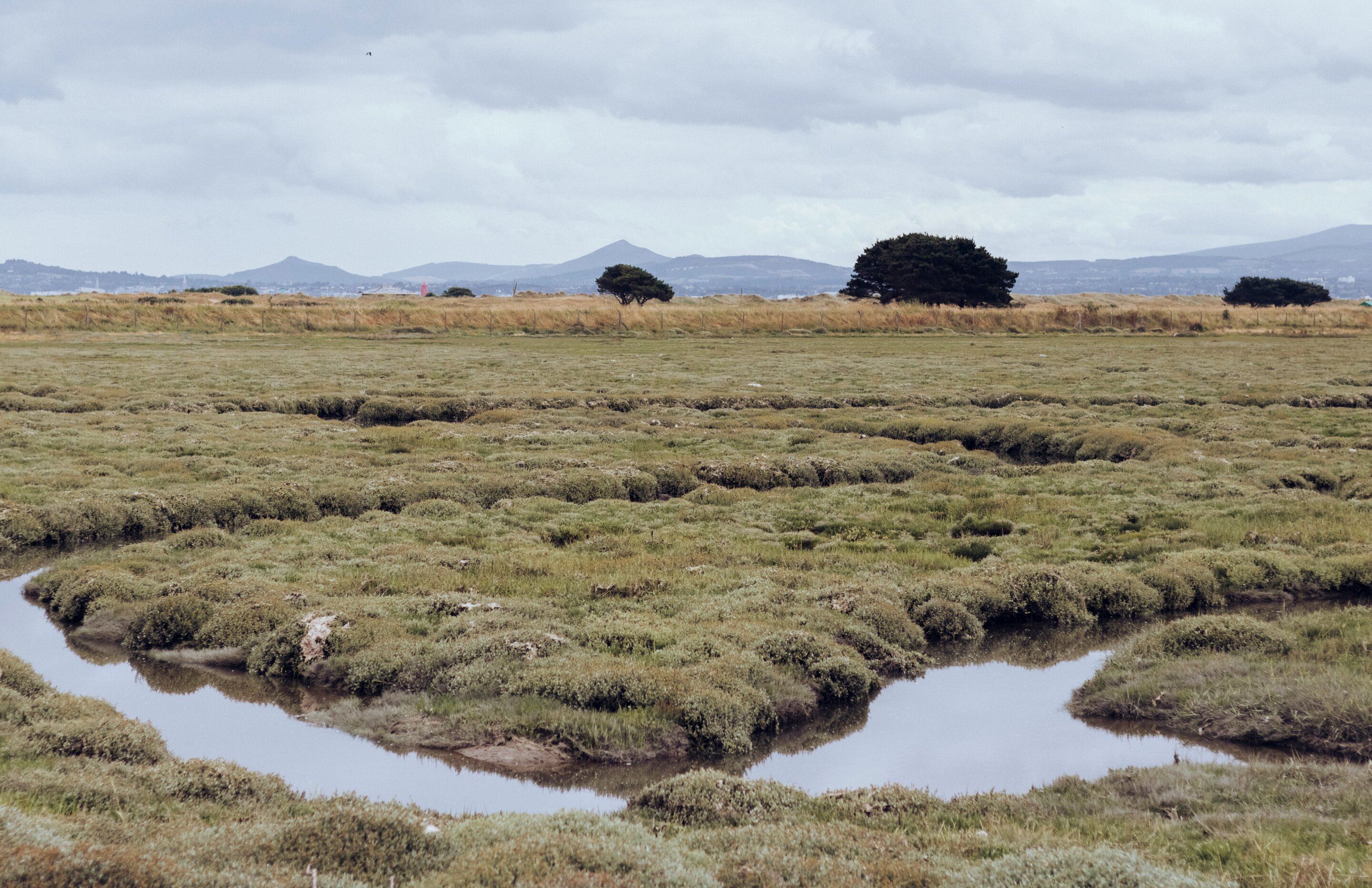
Australia peat fires can destroy wetlands when flames reach the peat layer, yet carefully managed burns can also support some of the country’s peatland ecosystems, Christopher Auricht wrote in The Conversation. The distinction matters because peatlands store large amounts of carbon, and damaged peat can burn underground for long periods.
Peatlands form in wet, low-oxygen places where dead plants break down only partly and build up over thousands of years into peat, Auricht wrote. The UN Environment Programme has described peatlands as holding roughly one-third of the carbon stored in the world’s soils.
Peatland fire is widely treated as an environmental threat, Auricht wrote, with Indonesia, Malaysia and Chile among countries where such fires have raised concern. When the peat itself ignites, he wrote, fires can smolder below ground for months or even years, making them hard to put out and releasing stored carbon into the air.
Can fire help Australian peatlands?
In some Australian peatlands, fire can play a useful ecological role if it burns surface vegetation while leaving the wet peat intact, Auricht wrote. Australia’s peatlands include desert mound springs in Western Australia and South Australia, coastal peat swamps from Queensland to New South Wales, Tasmanian buttongrass moorlands and alpine bogs in the east.
Ecological burns are controlled, low-temperature fires used to maintain or restore ecosystems, according to Auricht. He wrote that these burns can stop vegetation becoming too dense, open space for new plants and create habitat for local wildlife; in some fire-adapted plants, heat and smoke can help seeds germinate.
Auricht pointed to the Fleurieu Peninsula swamps in South Australia, nationally threatened wetlands where authorities use ecological burning programs. He wrote that threatened species including the Yundi guinea-flower and the southern emu-wren are now flourishing there, and that research has found heat and smoke from managed fires increased seedling growth in those swamps.
Managed burning in these wetlands also has a longer history than modern conservation programs, Auricht wrote. He cited charcoal and pollen records indicating First Nations communities burned parts of the Fleurieu Peninsula wetlands before European settlement.
What makes peat fires dangerous?
The key risk is whether fire reaches the peat below the plants, Auricht wrote. A surface burn can be useful under the right conditions, but burning peat creates an environmental emergency because it can continue underground and damage wetland ecosystems for long periods.
That risk was shown in southwestern Western Australia, where an underground peat fire burned for more than six months in 2024 despite record rain and firefighting work, according to Auricht, who cited ABC reporting. He wrote that wetlands can take centuries to recover from peat fires, and that studies of Australian alpine peatlands show recovery depends on fire severity, peat moisture and vegetation type.
Climate change will make these decisions harder, Auricht wrote. Hotter temperatures, drier conditions and more frequent above-ground fires increase the chance of damaging peat fires, meaning controlled burns need careful planning and wet peat must be protected.
Auricht argued that managers should identify which peatlands can benefit from ecological burning and avoid treating all fire the same way. He also called for more research into how peat depth, moisture, vegetation and fire history affect the risk of peat fires.
This story draws on original reporting from Phys.org.