
Archaeology data management lags behind digital dig tools, study finds
A University of Barcelona study says Catalan dig teams rely on informal systems as digital tools produce more complex excavation records.
By Tom Brennan · Health & Medicine Correspondent
3 min read
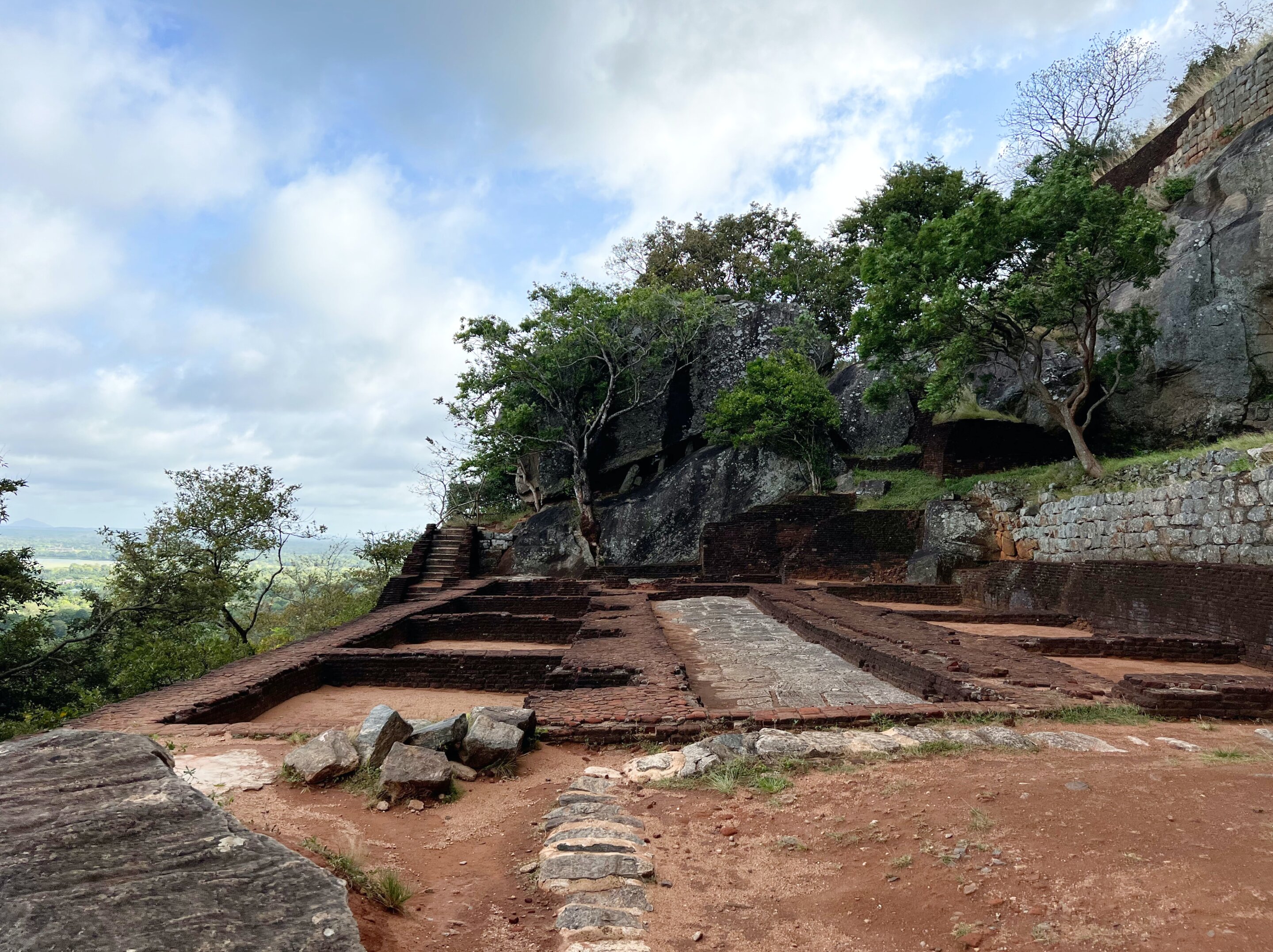
Archaeology data management is falling behind the digital tools now used on excavations, according to research led by Sabina Batlle-Baró at the University of Barcelona. The study matters because excavation records are not just project paperwork; they are part of the scientific record that future researchers may need to preserve, compare and reuse.
The paper, published in the Journal of Documentation, examines how archaeologists in Catalonia handle the information produced during fieldwork. The University of Barcelona said it is the first qualitative analysis focused on research data management among leaders of archaeological projects in the region.
Batlle-Baró did not set out to judge the scientific merit of the excavations, according to the university. The study instead looked at how project teams organize, describe, store and preserve the records they create while doing research.
What did the archaeology data management study find?
The study found wide variation in how archaeological teams in Catalonia manage excavation data, according to the University of Barcelona. Many teams use practical systems built around their own project needs, but those systems often lack shared rules, formal documentation or written data management plans.
Batlle-Baró based the research on in-depth, semi-structured interviews with 14 principal investigators from projects at Catalan universities and research centers. The method was designed to capture not only what researchers do, but also why they do it and what problems they see as archaeology becomes more digital.
The university said the interviews showed that digitization has increased both the amount and the complexity of excavation records. Tools such as photogrammetry, 3D scanning, geographic information systems, databases and other digital methods now sit alongside manual records that later have to be converted into digital form.
Most teams have created their own ways to file, store and back up that material, the study found. Those arrangements may work for current staff during an active project, but Batlle-Baró reported that informal approaches can become a problem when original researchers leave or when data from separate projects must be brought together.
Why are excavation records hard to reuse?
Research data are easier to reuse when they are described consistently, stored in durable places and linked to clear information about how they were created. The study found that limited training, uneven awareness of good data practices and low use of institutional repositories can weaken long-term preservation.
According to the University of Barcelona, researchers valued help from institutions with staff who specialize in research data management. The study associated that support and training with stronger practices and a clearer understanding of what is required to preserve information over time.
The paper also points to the special role of archaeological excavation reports in Catalonia. Because reports are required after each excavation and are filed with authorities, many researchers see them as a way to safeguard original data as well as communicate scientific results, Batlle-Baró found.
The study says those reports are central to building and preserving archaeological knowledge, while also noting that their content and level of detail vary from one project to another. That variation limits how far reports alone can solve the broader preservation problem.
Batlle-Baró concludes that Catalan archaeologists often manage data through experience and practical judgment, according to the University of Barcelona. The paper argues that open science and digital preservation now require more training, common protocols and institutional policies that support preservation, interoperability and future reuse of excavation data.
More information: Sabina Batlle Baró, “Research data management practices and perspectives among Catalan archaeologists: a qualitative approach,” Journal of Documentation (2026).
This story draws on original reporting from Phys.org.