
Antidepressant shows benefit for long COVID fatigue in trial
A randomized trial in Brazil found fluvoxamine reduced fatigue and improved quality of life in adults with long COVID, McMaster University said.
By Lucas Ferreira · Science & Environment Writer
3 min read
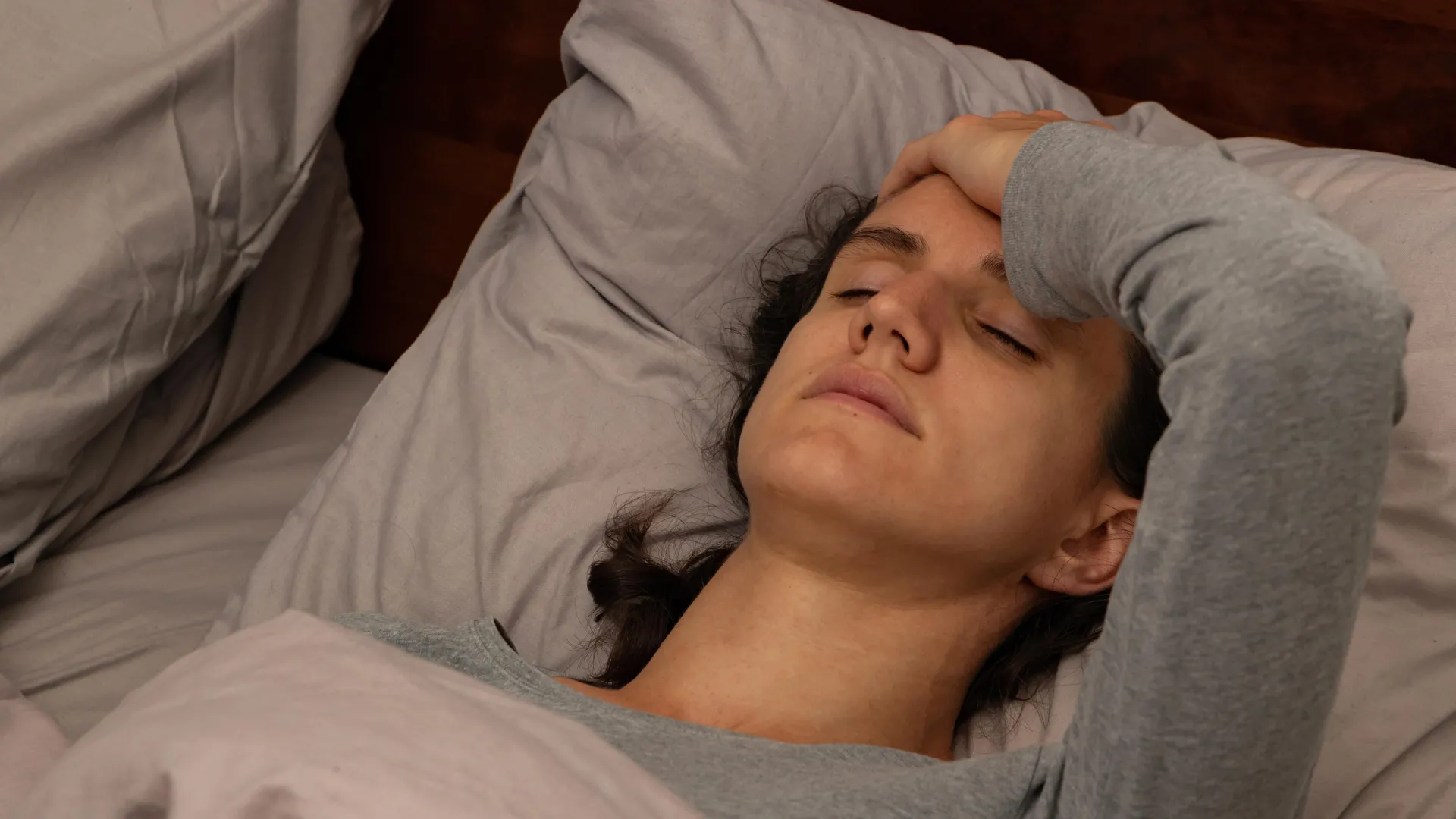
A common antidepressant reduced fatigue in adults with long COVID in a randomized clinical trial, according to McMaster University. The finding could give clinicians one of the first medication options backed by trial evidence for a symptom that can disrupt work, family duties and daily life.
The study, published in the Annals of Internal Medicine, tested fluvoxamine, sold under the brand name Luvox, against placebo in people with persistent fatigue after COVID-19. McMaster said the drug is inexpensive, widely available and already used for depression and other conditions.
The trial enrolled 399 adults in Brazil who had fatigue lasting at least 90 days after a confirmed SARS-CoV-2 infection, according to the university. Participants were assigned at random to receive fluvoxamine, the diabetes drug metformin or a placebo for 60 days.
Fluvoxamine outperformed placebo
Researchers reported that fluvoxamine reduced fatigue more than placebo and was linked to better quality-of-life scores across several measures. McMaster said the statistical analysis showed a 99 percent probability that fluvoxamine was more effective than placebo for fatigue.
Edward Mills, a McMaster professor and senior author of the study, said the results offer evidence-based support for a treatment patients have been seeking. He said the drug’s established use and safety profile make it a plausible candidate for clinical use.
Metformin did not show the same effect in the trial, according to the researchers. McMaster said earlier work had found that metformin taken during acute COVID-19 could reduce the risk of later long COVID, but this trial did not find meaningful benefit once long COVID fatigue was already present.
International research team
The REVIVE-TOGETHER trial was led by researchers in Canada, Brazil and the United States, with clinical sites in Belo Horizonte and across Minas Gerais, Brazil. McMaster said participating institutions included McMaster University, the University of British Columbia, Stanford University, the University of Pittsburgh, Duke University, Georgetown University and Brazilian research groups.
The investigators used a Bayesian adaptive trial design, which allowed them to stop treatment groups early when the data became clear enough. Gilmar Reis, the study’s lead author and a researcher with Cardresearch in Belo Horizonte, said the design helped the team reach conclusions more efficiently while preserving scientific standards.
Long COVID remains a broad condition with few proven therapies, McMaster said. The university cited an estimate that about 65 million people worldwide are affected, and said current medical care often centers on pacing activity and treating specific symptoms.
The researchers cautioned that fluvoxamine is not a broad cure for long COVID. They said the trial supports its potential role in fatigue management, while further studies are needed to identify which patients are most likely to benefit, why the drug may help and whether it can be combined with other treatments.
Jamie Forrest, the corresponding author and a postdoctoral research fellow at the University of British Columbia, said the trial gives clinicians strong evidence for a medicine that can reduce long COVID fatigue. McMaster said the research was funded by The Latona Foundation.
This story draws on original reporting from ScienceDaily.