
Antarctic tour guides quit as cruise tourism strains climate values
A study of 25 former Antarctic guides says climate impacts and fast-growing cruise tourism pushed some to leave their dream jobs.
By Lucas Ferreira · Science & Environment Writer
3 min read
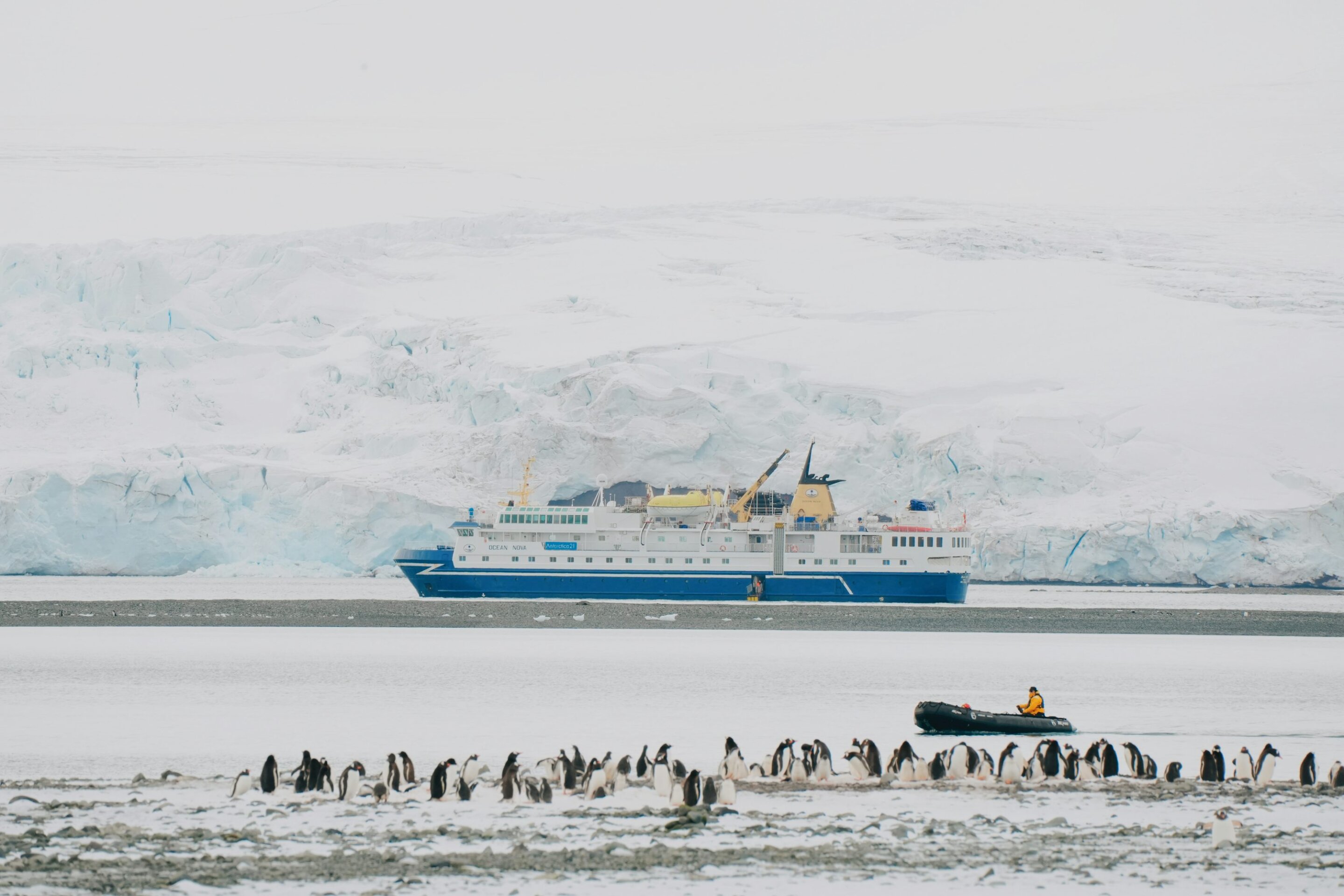
Some Antarctic tour guides quit after concluding that their work in cruise tourism conflicted with their environmental values, according to researchers writing in The Conversation. Their study of 25 former guides describes a job many once considered ideal becoming a source of moral stress as visitor numbers rose and climate change became harder to ignore.
The researchers, Zdenka Sokolickova, Christy Hehir and Elizabeth Cooper, said the guides they interviewed had spent years helping tourists experience Antarctica while questioning whether that work was damaging the place they cared about. The interviews were anonymized, and the researchers said the decisions to leave usually came after prolonged reflection rather than a single breaking point.
Why are Antarctic tour guides quitting?
The former guides described a conflict between their attachment to Antarctica and their role in bringing more people there. One guide told the researchers they could no longer work in what they called the “farce of climate change cruise tourism” while speaking to visitors about warming and continuing to support the industry.
Another former guide recalled being in Antarctica during the hottest day recorded there in 2020, hiking on a glacier in a T-shirt and operating boats without gloves. The guide described the experience as emotionally difficult because the effects of climate change felt immediate.
The researchers said several guides were troubled by the way visitors reacted to environmental change. One recalled watching glacier calving events while tourists cheered, saying the moment felt painful because it showed a gap between the spectacle visitors saw and the climate signals guides recognized.
Guides also raised concerns about wildlife pressure. One former guide told the researchers that penguin colonies sometimes had only a short break overnight before more visitors arrived, with hundreds of people passing through during the day.
How fast is Antarctic cruise tourism growing?
Antarctic tourism reached more than 120,000 visits in the 2025–26 season, according to the researchers. They cited projections that visits could rise to as many as 450,000 each summer within a decade.
The study frames that growth as a problem because Antarctica is ecologically vulnerable and because travel there produces high carbon emissions. The researchers said Antarctic cruise tourism is linked to some of the highest CO₂ emissions of any type of tourism.
Tour operators often argue that travel to Antarctica can make visitors more aware of environmental issues, according to the researchers. The former guides interviewed for the study were less convinced, saying they frequently saw guests fail to connect their trip with human pressure on the continent.
What did leaving mean for the guides?
The researchers said many of the former guides still felt strongly connected to Antarctica and sometimes missed the work. For them, leaving did not mean losing interest in the continent; it meant deciding that care for the place required distance from the industry taking visitors there.
Some participants said their well-being improved after quitting. One former guide told the researchers that working against their values had affected their body, and that stepping away made them feel able to breathe again.
The study presents the guides’ choices as an example of the personal cost that can come with leaving work tied to unsustainable practices. The researchers said the interviews also show that environmental responsibility can involve mixed feelings, including regret, relief and a continued sense of duty toward places people may no longer visit.
This story draws on original reporting from Phys.org.