
Angola's oldest burials found at dam-threatened 15th-century site
Archaeologists documented 15th-century graves, stone buildings and Angola’s only known ancient cremation before a dam reservoir covers the site.
By Tom Brennan · Health & Medicine Correspondent
3 min read
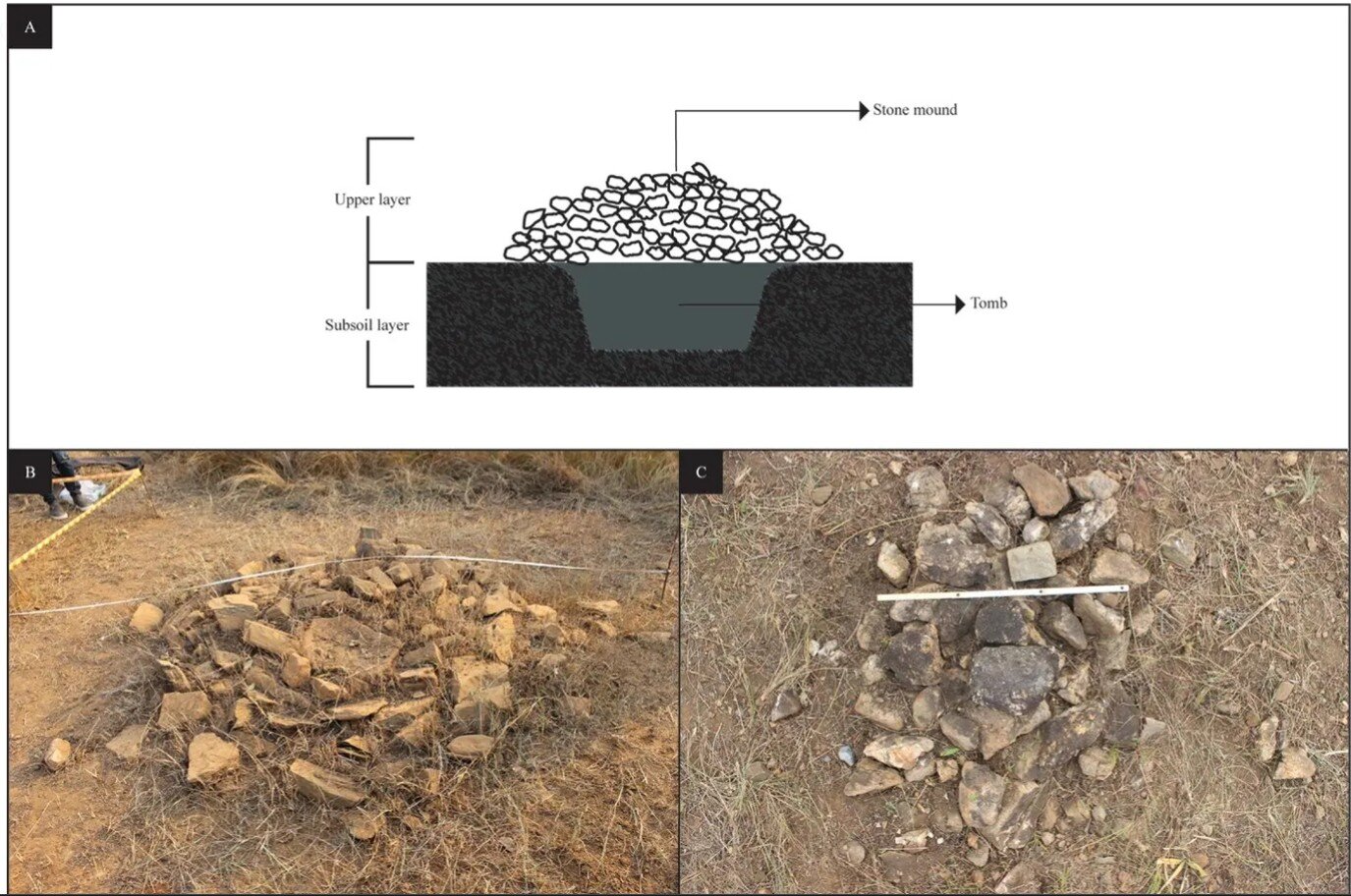
Archaeologists have identified Angola’s oldest burials at Caculo Cabaça, a 15th-century settlement in the Cuanza Basin that is expected to be partly submerged by a hydroelectric dam reservoir. The finds matter because they push back the dated record for stone-built sites and burial practices in central Angola to before Portuguese arrival, according to a study in the Journal of Field Archaeology.
The research team also reported the oldest stone buildings known from central Angola and the country’s only known ancient cremation. Sofia Mateus Simplício D’Oliveira, a doctoral candidate at the Muséum national d’Histoire naturelle in Paris and an author of the study, said the archaeologists focused first on parts of the site that would soon be lost to flooding.
What did archaeologists find at Caculo Cabaça?
The team recorded 117 groups of stone structures and excavated 65 individual features, according to the study. Among them were stone tumuli, or mounds built over graves, six of which held human remains.
Radiocarbon dating placed the burials in the early 1400s, several decades before Portuguese contact in the region. The study said stone structures are common in Angola, but none had previously been dated earlier than the 16th century, leaving open questions about when the tradition began and how it developed.
Construction workers first exposed stone structures at the site in 2023, prompting archaeological work. Before digging began, the area had to be checked for landmines, a danger left by Angola’s civil war, according to D’Oliveira. Local elders known as Sobas then held a ceremony involving eggs, bread, wine and juice shared with ancestors, followed by a goat sacrifice seeking protection and permission for the excavation.
The burials showed varied treatment of the dead. Some people were placed on their sides, while others were seated with their knees drawn up, a position associated in Angolan tradition with chiefs and elites, according to D’Oliveira.
The grave goods complicate that reading. The seated burials did not contain rich prestige items; the study reported objects such as grinding stones, ceramics and iron slag. D’Oliveira said grinding tools can be linked in many ethnographic settings to domestic work and women’s labor, raising the possibility that the graves reflect more varied forms of social or ritual status, including roles held by women.
Why is the cremation unusual?
The cremation was found in a burned and broken urn that contained remains of a skull and teeth, according to the study. D’Oliveira said the find has no known parallel in Angolan archaeology.
The closest comparison cited by the researchers comes from drawings made in the 1680s by Capuchin missionary Antonio Cavazzi, which show pottery used in regional ceremonies including loyalty oaths and sacrifices. The team has not assigned a firm meaning to the urn and described it as an exceptional find that needs further research.
The discovery supports the view that a substantial community lived in the Middle Cuanza River area before European contact, according to the study. Although the reservoir is expected to cover much of Caculo Cabaça, researchers have found additional stone structures outside the flood zone, leaving room for continued excavation.
This story draws on original reporting from Phys.org.