
Ancient Maya maize diet study finds corn anchored smaller communities
A PLOS One isotope study of bones and teeth from southeastern Petén shows non-elite Maya communities built diets around maize and local foods.
By Tom Brennan · Health & Medicine Correspondent
3 min read
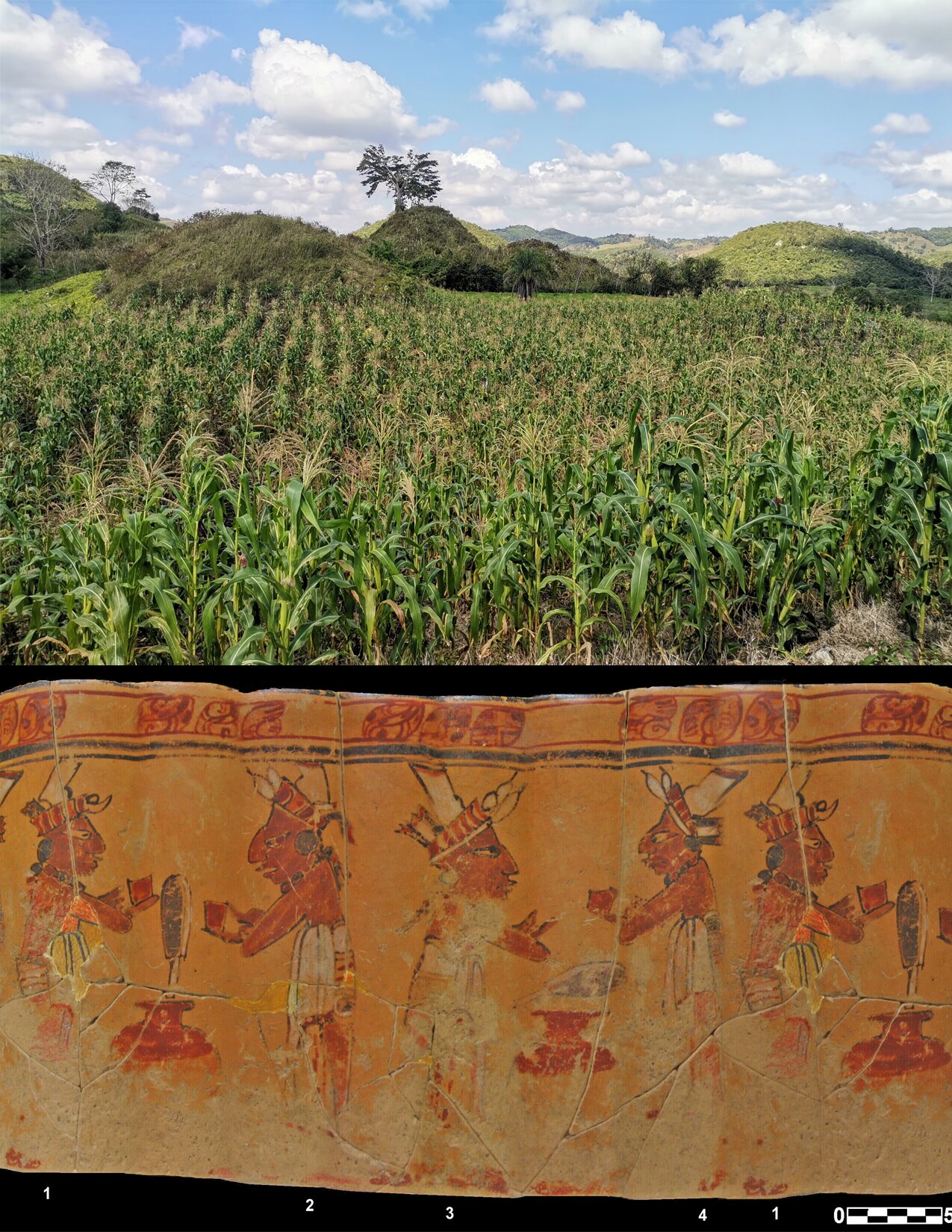
A new ancient Maya maize diet study finds that people in smaller, non-elite communities in southeastern Petén, Guatemala, relied heavily on corn during the Classic period. The findings matter because much of the evidence for Maya foodways has come from major cities and elite burials, leaving everyday households less visible in the record.
The study, published in PLOS One, examined chemical signatures preserved in human bones and teeth from communities outside the best-known Maya centers. The authors, led by Gloria Ivonne Hernández Bolio, compared those results with previously published data from other Classic Maya regions.
What did ancient Maya people eat in smaller communities?
According to the PLOS One study, people in these southeastern Petén settlements ate diets centered on maize, along with other plants and terrestrial animals. The researchers said the animal portion may have included deer, peccaries, dogs and turkeys, including animals that either fed in maize fields or were raised on maize.
The study focused on remains from non-elite residences and burials, using bone collagen from 57 people and dental enamel from 37 people. The communities studied were in southeastern Petén, including areas associated with the Maya Mountains and humid savanna zones.
Stable isotope analysis measures ratios of elements, such as carbon and nitrogen, that remain in tissues after death. Because food leaves chemical traces in bone and tooth material, researchers can use those ratios to identify broad patterns in plant consumption, animal protein and, in some settings, marine or freshwater resources.
Maize remained central, but local ecology mattered
The researchers found that the smaller communities resembled major Maya centers such as Tikal, Calakmul and Caracol in their strong dependence on maize during the Classic period, roughly 250 to 900 CE. The study said this supports the view that maize was both a major food and a cultural anchor across Maya society, extending beyond urban elites.
The isotope results also pointed to differences within southeastern Petén. According to the authors, diets in the mountainous zone appear to have been more strongly maize-based, while people in savanna areas showed signs of somewhat higher-trophic animal protein.
The study linked that variation to local resources, including fishes, snails and reptiles available in rivers and lakes in the savanna. The authors said the pattern shows that communities combined agriculture with foods available in their immediate environments.
Children and adults showed different maize signals
The researchers also reported age-related differences in the isotope data. Younger children appeared to have consumed less maize than older individuals, while maize intake increased with age.
The study said this likely reflects breastfeeding and the gradual addition of other foods during early childhood. It also noted that earlier research has identified maize-based gruels, known as atole, as common weaning foods introduced around ages 3 or 4.
Across time, the data suggest that maize reliance continued and may have grown stronger toward the Terminal Classic period, even as many settlements were abandoned. The authors said early Postclassic centers showed the widest spread in isotope values, which may point to more varied food strategies after political or environmental disruption.
According to the PLOS One study, the southeastern Petén evidence shows communities that kept maize at the center of subsistence while adjusting to local conditions. The authors argue that combining isotope data with archaeological and biocultural evidence helps explain how smaller Maya communities organized food production outside the major cities.
This story draws on original reporting from Phys.org.