
AI bumblebee monitoring camera offers cheaper way to survey pollinators
Researchers tested a low-cost AI camera system that identified six bumblebee species and could help fill gaps in pollinator data.
By Tom Brennan · Health & Medicine Correspondent
3 min read
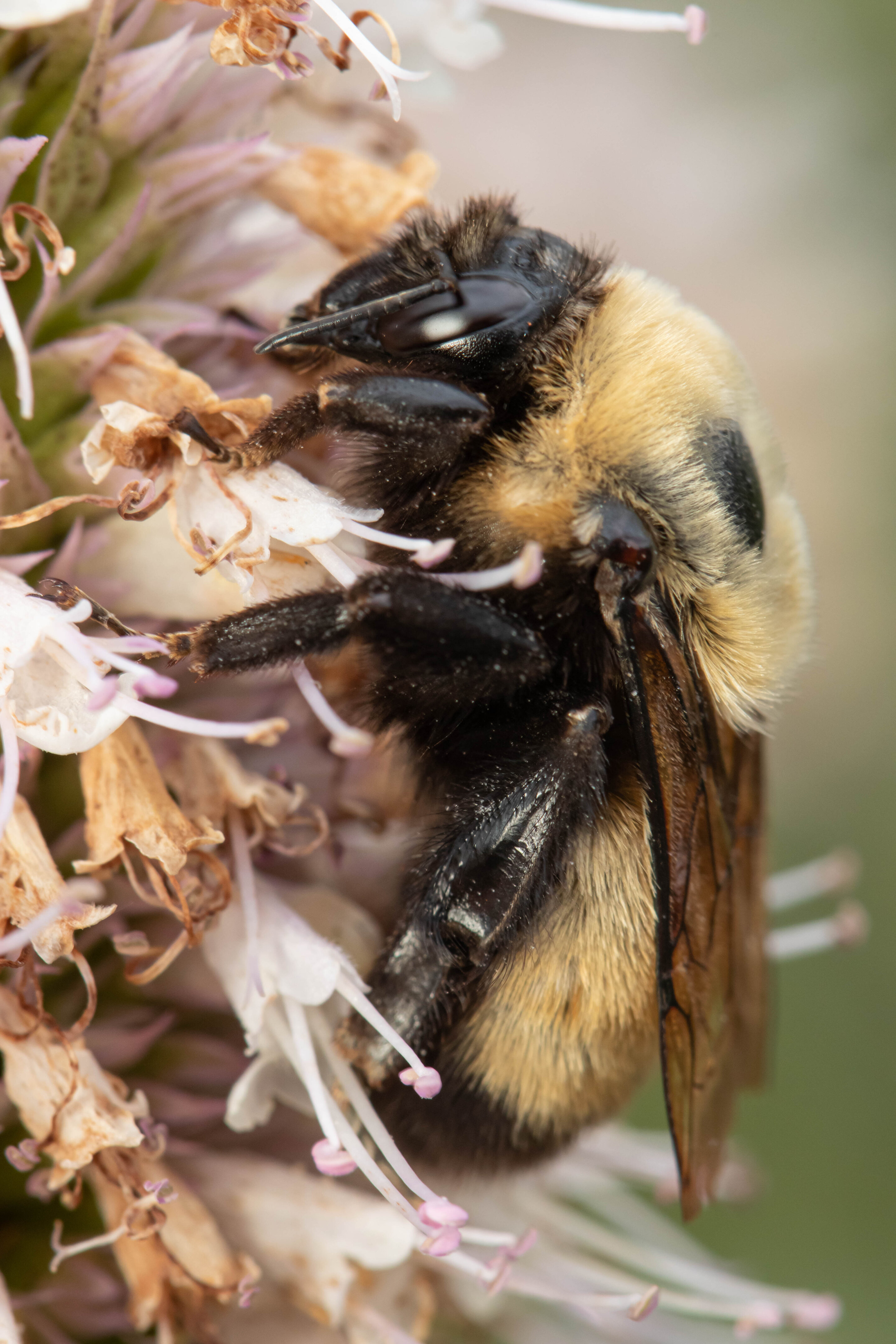
An AI bumblebee monitoring camera system developed by researchers at Oregon State University and collaborators offers a cheaper, less harmful way to track pollinators. The work matters because insect declines have raised conservation concerns, and several bumblebee species have been petitioned for protection under the Endangered Species Act.
The research, published in Remote Sensing in Ecology and Conservation, describes a semi-automated method using remote cameras and image-analysis models to identify bumblebees. Oregon State University said the approach may also be useful for other insects and for agriculture, where many crops rely on insect pollination.
Michael Getz, now a data scientist at the Biodiversity Research Institute in Maine, led the project while he was a master’s student at Oregon State. Getz said better, scalable tools are needed to understand insect populations at lower cost.
How does the AI bumblebee monitoring camera work?
The research team built the camera setup from commercially available parts and placed it in a red clover seed field during bloom at Oregon State’s Hyslop Field Research Laboratory in Corvallis. The system photographed visiting bumblebees, then used custom deep-learning models to analyze the images.
The researchers tested two types of image models. Models that split each picture into smaller tiles and analyzed those sections performed better than models that examined the full image at once, according to Oregon State University.
The team also studied how to attract bees to the camera stations. Bullseye patterns placed behind the cameras brought significantly more bumblebee visits than plain, single-color backgrounds, the researchers found.
Why researchers want alternatives to traps
Common insect survey methods can create problems for scientists trying to monitor populations over broad areas. Traps are widely used but kill the insects they capture, while direct observation and hand-netting require considerable time and labor, according to the researchers.
Earlier studies had shown that trail cameras can record insects without disturbing them, Oregon State University said. Much of that work focused on nighttime insects such as moths, which can be drawn to cameras with lights. The Oregon State-led team focused on bumblebees, which are active during the day.
To compare methods, the researchers used the camera system alongside hand-netting and blue vane traps, a standard tool that attracts insects but is deadly to bees. The camera system detected six bumblebee species, and its record of species diversity closely matched the diversity found through netting and trapping.
What the findings could mean for conservation
Tim Warren, an assistant professor in Oregon State’s Department of Horticulture, said camera systems like the one tested could help researchers gather reliable pollinator data across larger areas than have been practical with conventional field surveys.
Andony Melathopoulos, an Oregon State associate professor of pollinator health and a co-author of the paper, said broader monitoring could help with federal species decisions. He said data gaps can complicate Endangered Species Act listing decisions and the process of defining critical habitat.
Other co-authors were Lincoln Best, a bee taxonomist at Oregon State, and Oksana Ostroverkhova, a physics professor at Oregon State. The researchers presented the system as a low-cost tool that could support both conservation work and crop pollination research, rather than a full replacement for all existing survey methods.
This story draws on original reporting from Phys.org.