
RBM20 mutation cardiomyopathy study points to more tailored treatments
Researchers found tiny RBM20 gene changes can drive different rare heart diseases, pointing to possible patient-specific therapies.
By Tom Brennan · Health & Medicine Correspondent
3 min read
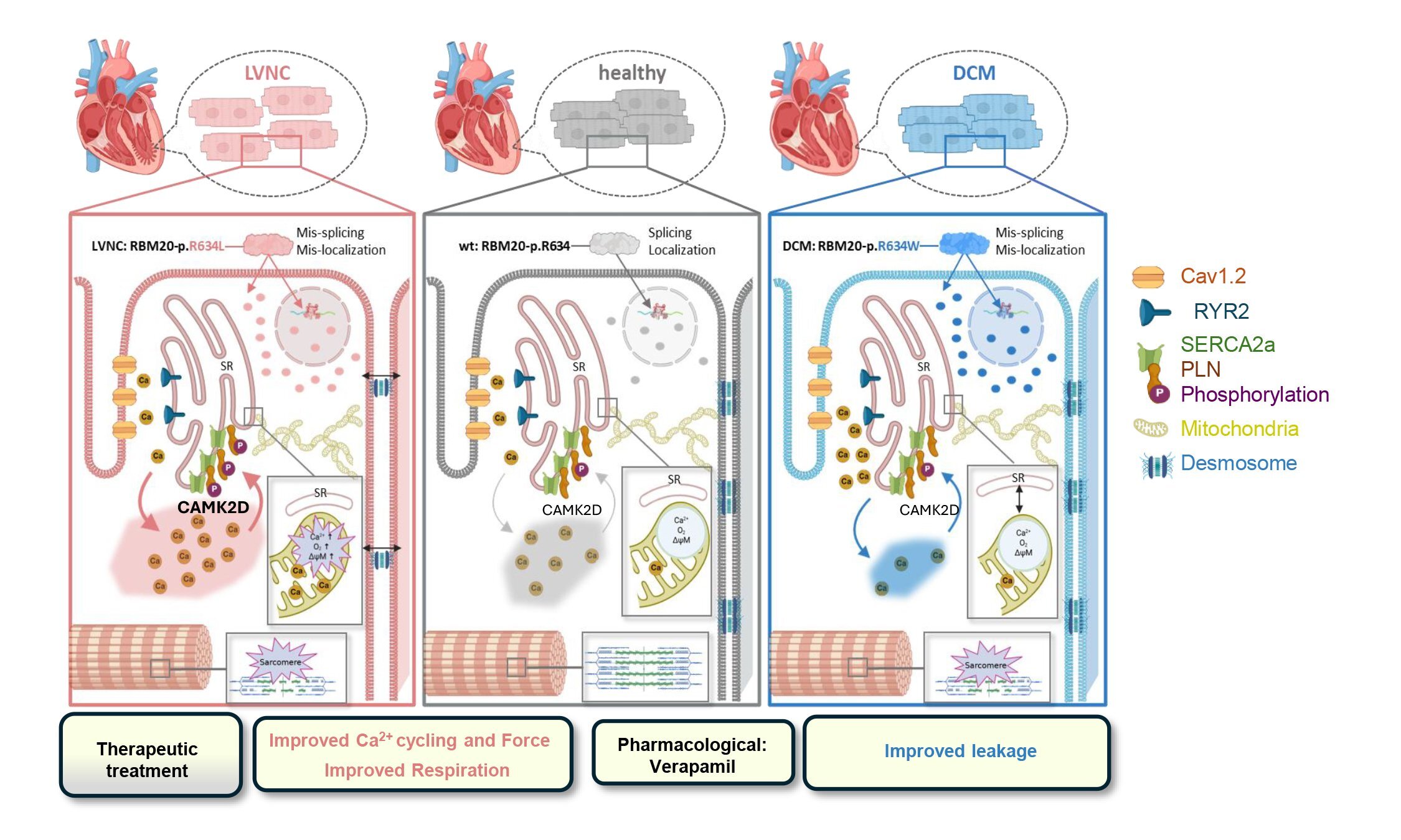
A new RBM20 mutation cardiomyopathy study suggests that tiny changes in the same heart-related protein can help explain why families develop different rare heart diseases. The findings matter because people with these inherited conditions are now generally treated like other heart failure patients, while the research points toward more specific approaches.
The study, led mainly by researchers in Würzburg, Heidelberg and Göttingen, was published in Signal Transduction and Targeted Therapy, according to Julius Maximilian University of Würzburg. The work focused on two families being treated by Professor Benjamin Meder at Heidelberg University Hospital, both of which had genetic testing.
Cardiomyopathies are rare, often inherited diseases that damage the structure of heart muscle tissue. According to the University of Würzburg, that damage can weaken pumping ability and cause symptoms associated with heart failure, including breathlessness and reduced exercise tolerance.
How can an RBM20 mutation cause different cardiomyopathies?
The researchers examined two families with different forms of cardiomyopathy linked to mutations in the RBM20 gene. One family had dilated cardiomyopathy, or DCM, a condition in which the heart chambers become enlarged and pumping becomes less effective, according to the university.
The other family had left ventricular non-compaction cardiomyopathy, or LVNC. In that condition, the heart muscle has sponge-like gaps, the university said.
The key genetic difference was small. At the same position in the RBM20 protein, one family had arginine replaced by tryptophan, while the other had arginine replaced by leucine, according to the study team.
Professor Katrin Streckfuß-Bömeke of the University of Würzburg, the senior author, said the researchers wanted to understand how such a minor protein change could produce two distinct clinical pictures. She has worked with Meder on human cardiomyopathy models for years, according to the university.
What the lab models showed
Using blood and skin samples from the families, the Würzburg team found that the single protein-building-block substitutions had major effects on calcium handling in heart cells. Calcium helps coordinate contraction and relaxation in heart muscle cells, acting as a timing signal for each beat.
In cells linked to the spongy LVNC form, the researchers found heightened sensitivity to calcium signals, with a strongly activated calcium cycle and very high energy use, according to the university. In cells linked to DCM, they found a different problem: calcium escaped from internal stores.
To test the disease mechanisms, the researchers created induced pluripotent stem cells from patient blood and skin cells. These stem cells can be turned into other cell types, and the team used them to produce beating heart muscle cells.
The study used three model systems: single heart cells, spherical organoids and small engineered heart muscle tissues. The artificial tissues were made by Dr. Malte Tiburcy’s tissue engineering team at Göttingen University Hospital, according to the university.
The team also used CRISPR/Cas9 gene editing to correct the defects in diseased cells. After that, the researchers inserted the DCM mutation into corrected LVNC cells, which showed that the single altered site in RBM20 was responsible for the different disease patterns, according to the university.
Possible treatment clues
The study identified several molecular processes that differed between the two inherited heart conditions. Dr. Sabine Rebs, the study’s first author and a member of Streckfuß-Bömeke’s team, said the work revealed new molecular targets that drugs could potentially affect.
The researchers also reported early signs that existing drugs could be worth studying. One candidate is verapamil, a calcium-blocking drug approved for cardiac arrhythmias; in lab tests on cells and tissues, it partly improved the contraction of damaged heart cells, according to the university.
The team cautioned that more studies are needed before any new treatment strategy can be used in patients. For now, the findings suggest genetic analysis may help doctors sort RBM20-related cardiomyopathies more precisely and, in time, match affected people with more tailored therapies.
This story draws on original reporting from Medical Xpress.