
Dentists administering vaccines draw mixed patient views in Penn study
Penn researchers validated a shorter survey on dental vaccine roles and found patients were less comfortable with HPV shots than COVID-19 shots.
By Tom Brennan · Health & Medicine Correspondent
3 min read
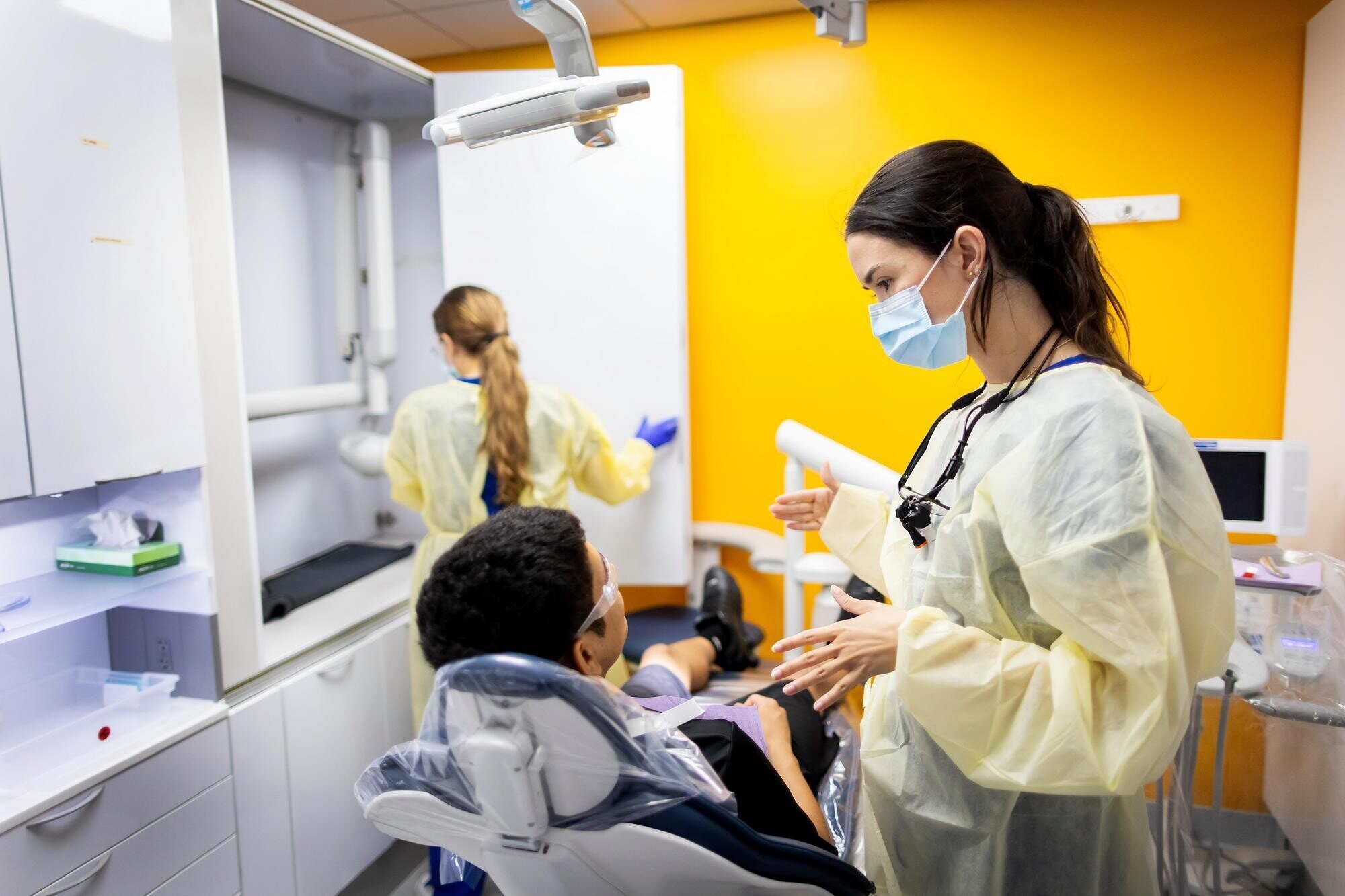
A University of Pennsylvania research team says dentists administering vaccines may be a wider public health option, but patient acceptance remains uneven. In a study published in Frontiers in Oral Health, the researchers tested and shortened a survey designed to measure how patients view dental providers’ roles in COVID-19 and HPV vaccination.
Vaccines have most often been given in primary care offices or pharmacies, according to the University of Pennsylvania. Some states have allowed dentists to vaccinate for about a decade, and many others permitted the practice during the COVID-19 pandemic, the university said.
The Penn team said that experience has prompted some states and countries to expand, or consider expanding, dental providers’ part in routine vaccination and vaccine education. The work focused on whether a validated questionnaire could better capture patient attitudes toward that idea.
What does the study say about dentists giving vaccines?
The researchers found that participants did not respond uniformly to the idea of dental providers giving shots. According to the Penn team, participants appeared more resistant to dental providers administering HPV vaccines than COVID-19 vaccines, a difference the researchers said may reflect limited understanding of HPV vaccination.
HPV refers to human papillomavirus. The study considered patient views of dental-provider involvement in vaccination efforts for HPV and COVID-19, including both education and administration, according to the researchers.
Tamara J. Cadet, an associate professor in Penn’s School of Social Policy & Practice, said the study’s main goal was to begin validating the questionnaire while also learning more about how people view dentists’ involvement in vaccine work. Cadet also holds a secondary appointment in Penn’s School of Dental Medicine, according to the university.
The team used statistical analysis of the survey questions and feedback from a Philadelphia focus group, Penn said. Tyler Moore, a research assistant professor in the Perelman School of Medicine, said that process allowed the team to cut the survey’s length by 25% while keeping the questions the researchers considered most useful and making the wording clearer for patients.
Why dental offices are part of the vaccine access debate
Cadet said dental settings could be useful for vaccine education because many people see dentists regularly and have established trust with them. She said expanding dentistry to include vaccine education and administration could improve access to care, vaccine uptake and disease prevention.
Katherine France, formerly an assistant professor at Penn Dental Medicine, said testing surveys with the people they are meant to study can help researchers understand patient views before designing interventions. France said participant comments can guide educational efforts about HPV vaccines, their connection to oral health and the broader health role dentists can play.
The researchers said prior studies had looked at attitudes toward vaccines in dental settings, but had not used a validated survey instrument to assess those perceptions. Their paper, by Cadet and colleagues, is titled “Using psychometric and focus groups methods to assess patients’ attitudes regarding the role of dental providers and vaccinations for COVID-19 and HPV,” according to Frontiers in Oral Health.
If later studies using the survey show that patients are open to vaccination by dental providers, the researchers wrote that the findings could support education for lawmakers and advocacy over which health professionals are permitted to administer vaccines.
This story draws on original reporting from Medical Xpress.