
Dead bumblebees on sidewalks linked to heat and habitat pressure
Researchers say summer bee deaths reflect short lifespans, extreme heat, pesticides and shrinking habitat for pollinators.
By Priya Raghavan · Science Reporter
3 min read
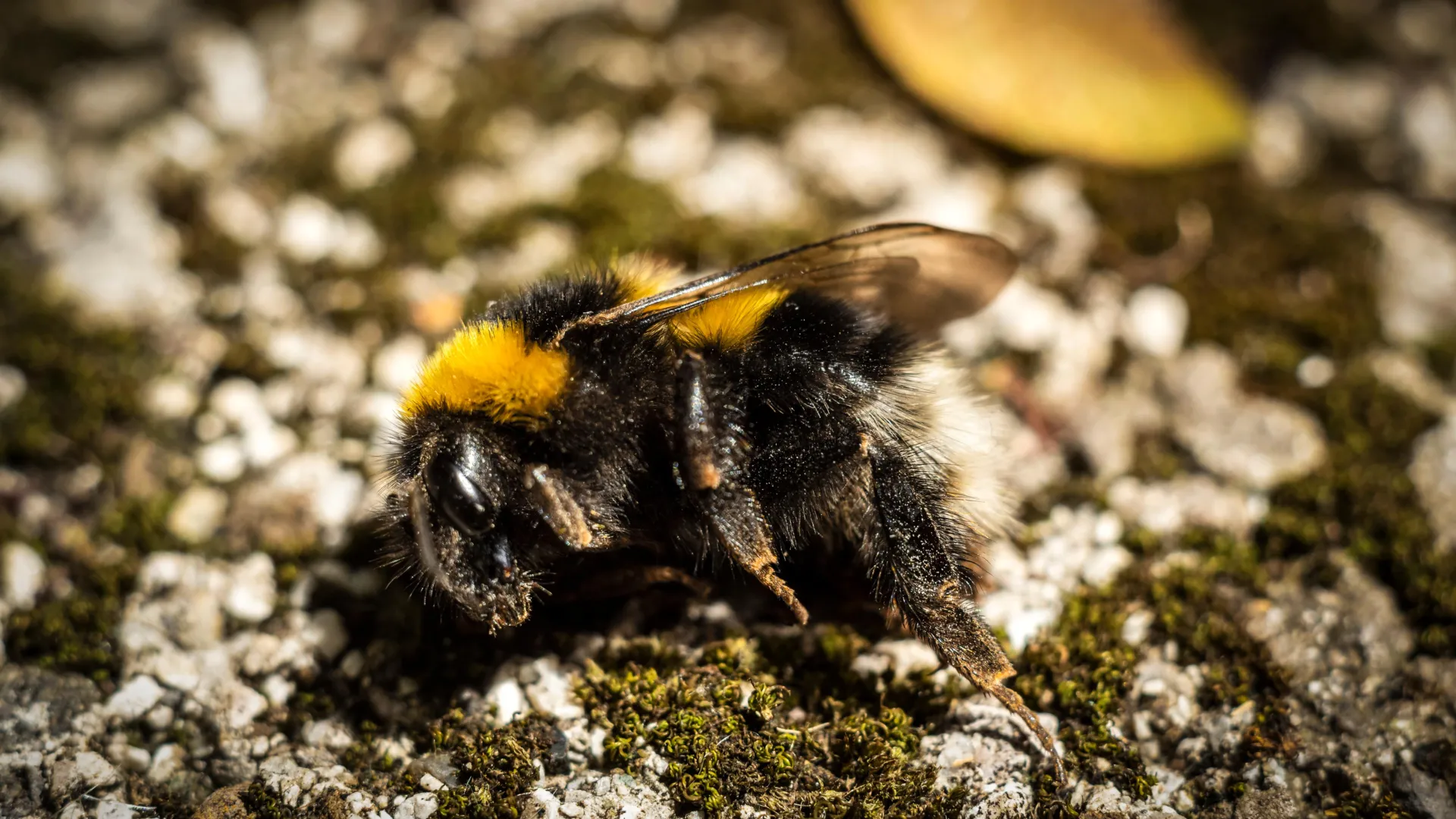
Dead bumblebees on sidewalks in summer can be a sign of both a normal colony cycle and growing environmental stress, according to Alex Dittrich, a senior lecturer in zoology at Nottingham Trent University writing for The Conversation. The issue matters because bees pollinate crops and wild plants, while several pressures are making survival harder.
Dittrich said bumblebee workers usually live only about four to six weeks. In social colonies, younger healthy workers remove dead bees from the nest and carry them away, which helps reduce the risk of disease spreading inside the colony.
Summer heat is adding another strain. England recorded its warmest June on record in 2026, while the UK as a whole had its second-hottest June, according to the weather data cited by The Conversation.
Why are dead bumblebees showing up on sidewalks?
Dittrich said several causes can overlap: older workers may be dying naturally, heat can weaken bees, and human activity can cut off food and shelter. Extreme heat can disrupt bee development, reproduction, flight and foraging, according to research cited by The Conversation.
Bees can cool their colonies by fanning their wings, and they can regulate body heat while flying. Those coping methods have limits in prolonged high temperatures, and hotter weather may push bees to forage more or travel farther, Dittrich said.
Pesticides and missing flowers add to the risk
Chemicals used in gardens and farming can harm bees directly or remove the plants they feed on, according to The Conversation. Dittrich singled out dandelions as a valuable nectar source for bees that is often targeted by herbicides.
The Conversation said pesticide use has been identified as a major historical driver of bee losses. Although the UK and EU have banned the most harmful neonicotinoids, other insecticides, including organophosphates, synthetic pyrethroids and phenylpyrazoles, can cause paralysis, death and problems with bees finding their way.
Habitat loss is another pressure. Housing, intensive agriculture, roads and other land-use changes reduce the places where bees can nest and feed, Dittrich said.
Climate change can also throw off timing between bees and the flowers they need. Scientists call this phenological mismatch: bees may emerge when nectar is scarce, or plants may flower before bees are active, leaving both sides worse off.
Why bee losses matter
Insects are highly diverse and abundant, but many are under threat, according to research cited by The Conversation. In Europe, the number of wild bee species considered at risk of extinction has risen from 77 in 2014 to at least 172 today, or about 10% of assessed species, according to the IUCN figures cited in the report.
Bees are central pollinators. The Conversation said bees support an estimated 75% of global crop pollination and nearly 90% of flowering plants, with other pollination done by animals, wind or weather.
What can people do to help bees?
Dittrich advised reducing chemical use where possible, choosing non-chemical options first and using any treatments sparingly. Consumers can also support local or sustainably produced food and farmers using nature-friendly practices, according to The Conversation.
Gardeners can help by planting a mix of native flowers and leaving some lawn areas unmown. If a bee appears exhausted on a hot pavement, the Bumblebee Conservation Trust advice cited by The Conversation says a two-to-one mix of sugar and water can help revive it.
Dittrich said moving a struggling bee to a flower or shady place can also help if it is safe to do so. People with allergies or a high risk of being stung should not attempt to handle bees.
This story draws on original reporting from ScienceDaily.