
Bernard Arnault succession questions persist after LVMH earnings
LVMH’s latest results show its strongest unit is led by a non-family executive as Arnault denies reports of a rift among his children.
By Hana Yoshida · Markets Reporter
4 min read
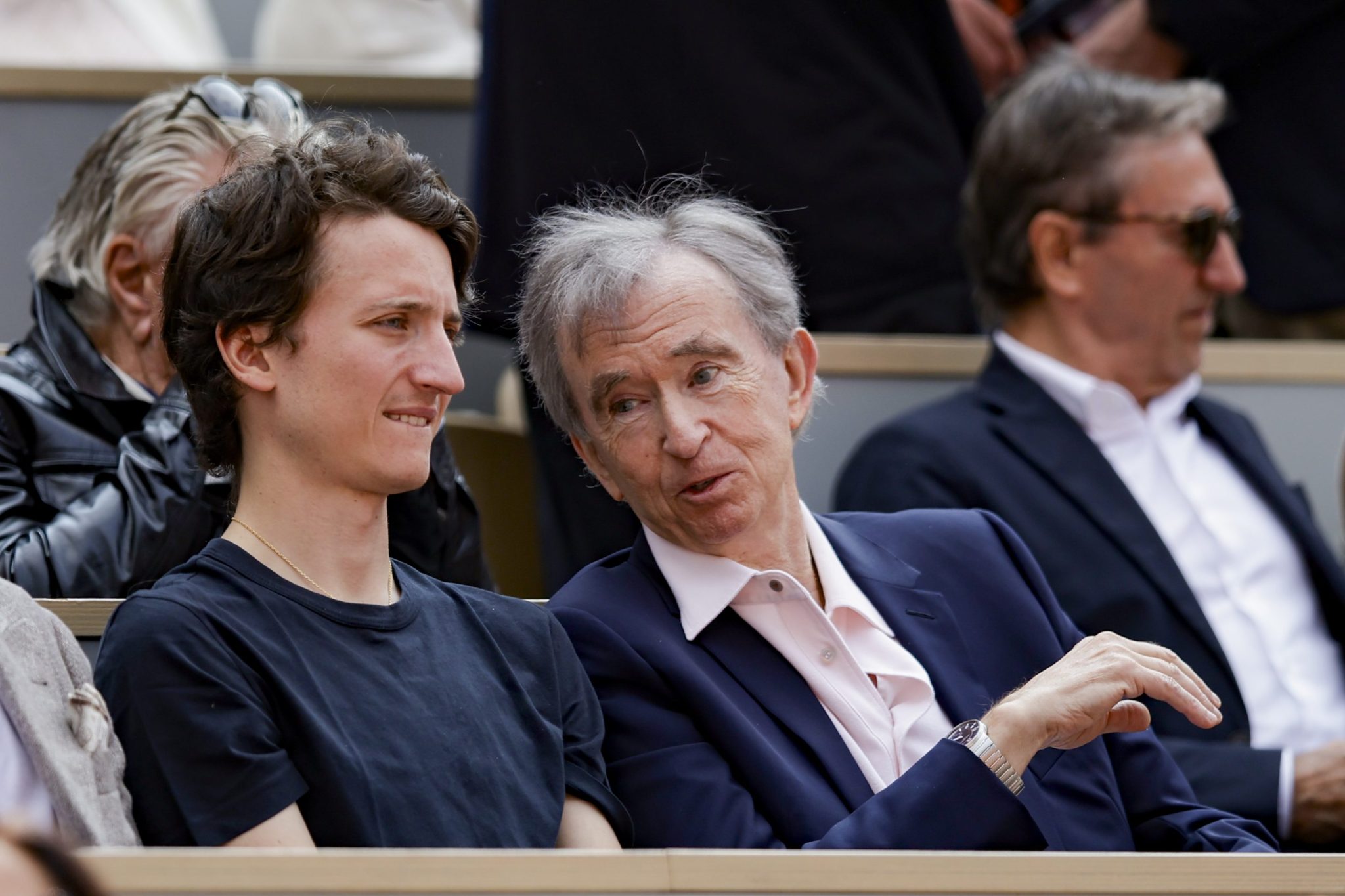
Bernard Arnault succession questions returned to the front of the luxury industry after the LVMH chairman publicly rejected claims of a family struggle and the group’s latest results highlighted a non-family executive leading its strongest division. The contrast matters because control of LVMH is already structured around Arnault’s five children, even as the 77-year-old remains chairman and chief executive.
Arnault posted an open letter on X after Le Monde completed a six-part investigation by Raphaëlle Bacqué and Vanessa Schneider that alleged rivalry among his children over who could eventually lead the group. In the letter, Arnault said his children run businesses, make decisions and speak with one another, and he dismissed the idea that ordinary family contact should be treated as intrigue. Fortune reported that the post drew 4.5 million views in 24 hours.
What did LVMH earnings show about Arnault succession?
LVMH’s first-half filing showed that Watches & Jewelry was the group’s best-performing segment. The division reported 9% organic revenue growth from a year earlier and a 9% rise in profit, according to the company filing.
That unit is led by Jean-Christophe Babin, a longtime LVMH executive, rather than one of Arnault’s children. Babin took over after Frédéric Arnault, 31, moved to Loro Piana in 2025, according to Fortune. Quarterly sales in Watches & Jewelry beat Wall Street expectations by 1.88%, with Tiffany and Bvlgari growing in the mid-teens, Fortune reported.
Two of Arnault’s children hold senior roles in LVMH’s largest division, Fashion & Leather Goods. Delphine Arnault, 51, runs Christian Dior Couture, while Frédéric runs Loro Piana. That division reported a 1% decline in organic revenue from a year earlier and a 7% drop in profit to €6.2 billion, according to the filing, while quarterly sales came in almost half a percentage point below expectations.
JPMorgan analyst Chiara Battistini described the division’s second-quarter figures as an early sign of improvement, Fortune reported. She also raised the question of whether leather goods are showing “fatigue” after years of strong demand and price increases.
Alexandre Arnault, 34, runs Wines & Spirits, LVMH’s smallest core segment. The division posted 5% organic revenue growth, a result Battistini called “a nice surprise” compared with JPMorgan’s forecast, according to Fortune.
Who could succeed Bernard Arnault at LVMH?
Morningstar analyst Jelena Sokolova told Fortune that Delphine Arnault appears closest to the top role among the siblings because she now leads Dior. Sokolova said Dior’s recent slowdown makes the job a meaningful test of Delphine’s ability to restore stronger growth.
Sokolova also warned against treating one half-year of segment results as a direct scorecard on the siblings. She told Fortune that jewelry and watches are benefiting across the industry, citing stronger results at Richemont’s Cartier and Van Cleef & Arpels and high-single-digit growth at Swatch’s lower-priced brands. She pointed to gold prices, affluent customers and less aggressive post-pandemic price increases as reasons the category is doing well.
Succession does not appear to be the main concern for the stock, according to Sokolova. Fortune reported, citing Bloomberg data, that 23 analysts rate LVMH shares a buy, 12 rate them hold and none rate them sell. Sokolova said the slowdown in Fashion & Leather Goods is a more immediate issue for investors.
She said LVMH could also choose a structure used elsewhere in luxury, including a professional outside chief executive. Fortune cited Kering, controlled by the Pinault family, and Prada, where founders stepped back while a non-family executive remained on top, as possible precedents discussed by Sokolova.
The control structure is separate from the CEO title. As of June 30, the Arnault family held 50.2% of LVMH’s shares and 66.4% of voting rights, according to Fortune, helped by double voting rights for shares held more than three years. Four of Arnault’s five children, all except Jean, sit on LVMH’s board.
Agache Commandite is the family vehicle set up above LVMH’s ownership chain to pass control to the five children in equal 20% stakes once Arnault steps back as managing partner. Reuters reported in 2022 that the arrangement locks the shares for 30 years; Fortune reported that, without specific instructions, decisions require agreement from at least three of the five siblings.
LVMH shareholders voted 99% in favor last year to allow Arnault to remain chairman and chief executive until age 85, Fortune reported. LVMH did not respond to Fortune’s request for comment.
This story draws on original reporting from Fortune.