
Victoria Song says health tracking for reviews can get out of hand
The Verge wearables reviewer says her daily tracking is for product testing, not a model for ordinary users to copy.
By Maya Lindqvist · Senior Technology Correspondent
3 min read
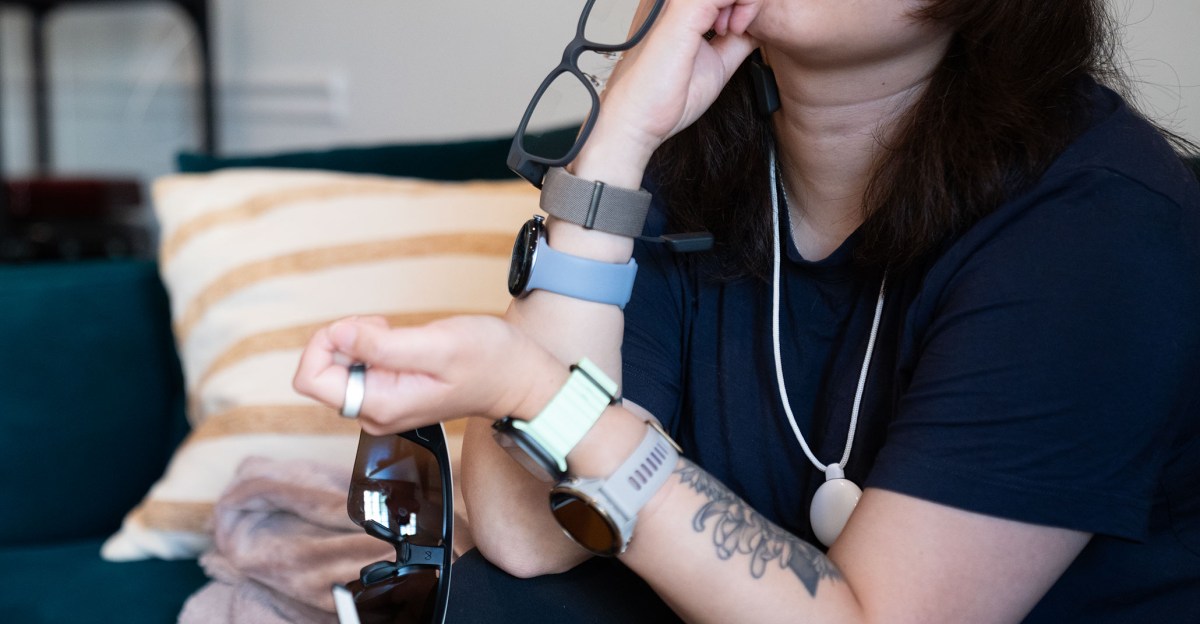
Victoria Song health tracking habits are the focus of a new edition of The Verge’s Optimizer newsletter, where the senior reviewer says her self-quantified routine is tied to testing wearables and health tech. Song says the point is to evaluate product claims, not to offer a template for readers to follow.
The column, published July 24, 2026, responds to reader interest in what Song tracks during a typical day as The Verge’s senior wearables reviewer. She frames that curiosity against the popularity of “What I eat in a day” videos, which she says can show how people define healthy habits even when some posts may be shaped for attention.
Song writes that social platforms have encouraged the idea that copying experts or influencers can produce similar results. Her own case is different, she says, because reviewing devices requires health tracking that would be excessive for many people.
What does Victoria Song track in a day?
Song says her tracking is aimed at judging whether gadgets and health features work as advertised. The examples she gives include checking GPS accuracy, seeing how workout intensity affects battery life, and comparing metabolic readings from a $600 scale against data from a continuous glucose monitor.
A continuous glucose monitor, often shortened to CGM, is a device used to track glucose levels over time. In Song’s example, it serves as a comparison point for assessing whether another product’s metabolic claims line up with a separate form of measurement.
Song also refers to testing a smart scale that derives metabolic insights from foot sweat. She does not present those tests as general health advice; she describes them as part of the work of reviewing products and claims in the wearables market.
Why she says this is not normal health advice
Song says wearables reviewing can push self-tracking beyond what she would suggest for ordinary users. Her work requires collecting data that helps answer practical review questions, such as whether a device’s sensors are accurate or whether a feature drains the battery during exercise.
That distinction matters because consumer health devices often make claims that need to be checked against real-world use. Song’s column positions tracking as a review method rather than a wellness routine.
The Verge identifies Song as a senior reporter and the author of Optimizer, a weekly newsletter about personal tech, health gadgets, and related products. The publication says she has more than 13 years of experience covering wearables, health technology, and other consumer tech areas, with previous roles at Gizmodo and PC Magazine.
The Verge also says Optimizer will pause for two weeks and shift to a Wednesday schedule beginning August 12.
This story draws on original reporting from The Verge.