
Vaccine hesitancy storytelling challenges public health messaging
Rice University medical humanities researcher Katherine Shwetz says vaccine skeptics use narrative in ways fact sheets often fail to answer.
By Maya Lindqvist · Senior Technology Correspondent
3 min read
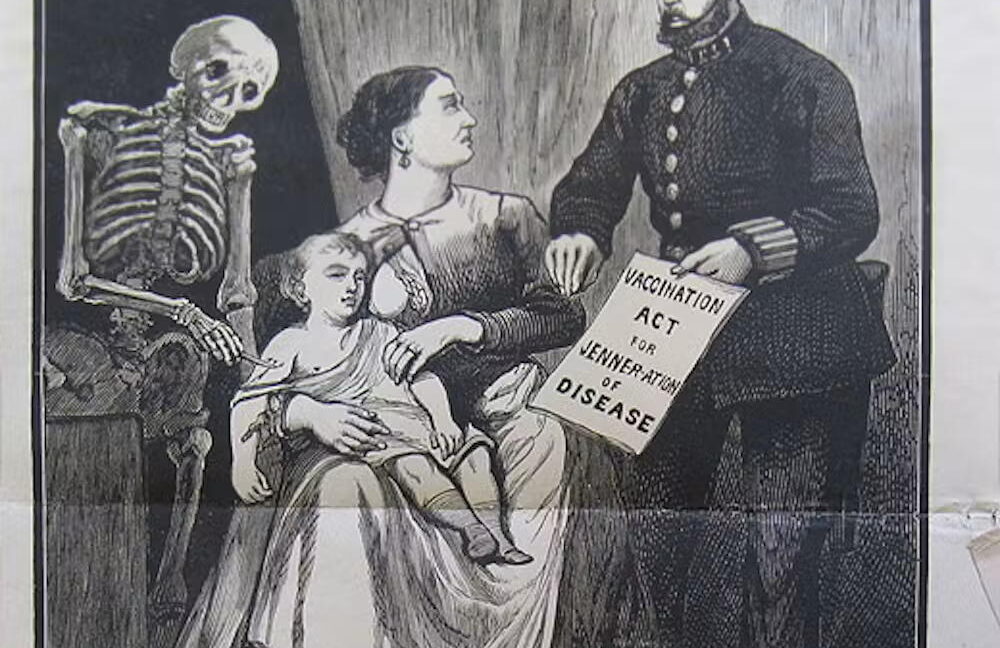
Vaccine hesitancy storytelling has become a central obstacle for public health campaigns, according to Katherine Shwetz, a Rice University medical humanities lecturer who studies how vaccine-skeptical groups present their ideas. Shwetz says factual corrections alone often miss why emotionally charged accounts about vaccines gain traction.
Opposition to vaccines has a long history. Shwetz notes that people in 19th-century England protested compulsory smallpox vaccination, arguing that it infringed on civil rights and bodily integrity. In the United States, organized resistance dates at least to the Anti-Compulsory Vaccination League of Brooklyn, founded in 1894, according to research cited by Shwetz.
Researchers generally use “vaccine hesitant” to describe people who refuse or delay some or all recommended vaccines, Shwetz says. Today, she writes, the issue is closely tied in the public debate to the Make America Healthy Again movement and Health and Human Services Secretary Robert F. Kennedy Jr.
How does storytelling affect vaccine hesitancy?
Shwetz argues that vaccine-skeptical groups often tell stories that are easier to follow and more emotionally forceful than standard public health explanations. Public health messages must stay close to scientific evidence, which can be complex and sometimes uneventful, while anti-vaccine narratives can center on conflict, threat and personal harm, she says.
Those stories may describe doctors dismissing parents, institutions hiding risks or children becoming seriously ill after vaccination, according to Shwetz. She says their power often comes from making vaccines stand for broader fears, such as government overreach, loss of freedom or distrust of medical authority.
That symbolic role matters because the story may no longer be mainly about medicine. Shwetz says vaccine refusal can be cast in online spaces as civil resistance against authoritarian control, even when a vaccine requirement does not directly threaten someone’s political or social liberty. In some COVID-19 vaccine discussions, she says refusal has been framed as evidence of mental strength.
Why facts alone have limited effect
Public health advocates have often responded to vaccine skepticism by improving educational materials and making scientific information easier to understand. Shwetz says that approach, sometimes called the information deficit model, assumes hesitancy stems mainly from a lack of knowledge.
Research cited by Shwetz suggests that assumption is incomplete. She says vaccine hesitancy can involve misinformation, social belonging, religious belief, mistrust of medical institutions, criticism of government and fears about protecting children. It also cuts across education levels, including people with advanced degrees and strong health literacy, according to studies she cites.
Shwetz also warns against dismissing concerns outright. She says some groups have well-founded reasons to distrust medical systems, including Black Americans whose views may be shaped by forced medical experimentation and systemic discrimination.
What has changed under RFK Jr.?
Shwetz says the Centers for Disease Control and Prevention, under Kennedy, has begun using language that resembles themes common in vaccine-hesitant messaging. She points to a CDC announcement on changes to the childhood vaccine schedule that described the policy as a shift toward “individual-based decision-making.”
She also cites Kirk Milhoan, Kennedy’s appointed head of the Advisory Committee on Immunization Practices, who described vaccine debates as “autonomy versus public health.” Shwetz says framing vaccines around autonomy can make them appear to threaten a person’s identity, even when the medical claim does not support that idea.
Some public health and communication researchers are now studying literary tools such as symbolism to better address vaccine hesitancy, Shwetz says. Their approach includes identifying persuasive story techniques and acknowledging people’s experiences, critiques and fears as part of a more respectful health conversation.
This story draws on original reporting from Ars Technica.