
Tesla door handles rules may widen after NHTSA declines defect probe
NHTSA declined a Tesla defect petition but said a broader rule could require clearer emergency door exits in all new vehicles.
By James Whitfield · Staff Writer
3 min read
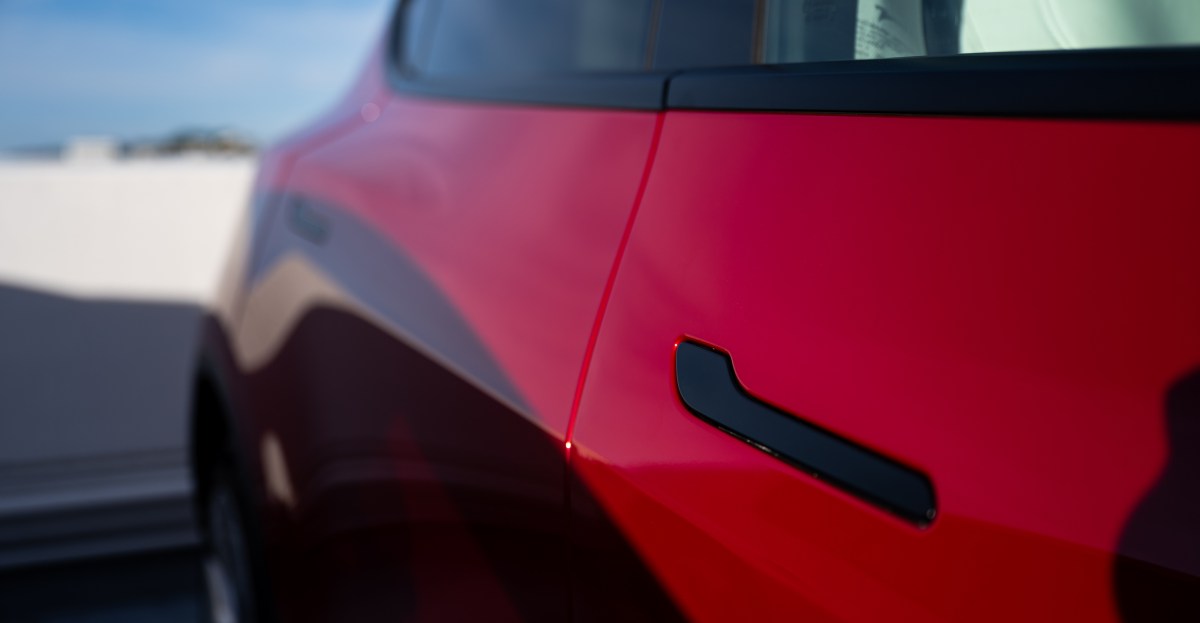
Possible Tesla door handles rules are moving from a company-specific defect complaint toward an industrywide safety standard. The National Highway Traffic Safety Administration said in a Federal Register notice that it will not open the requested defect investigation into Tesla’s mechanical door releases, but said the issue is better suited for broader rulemaking.
NHTSA said the rulemaking would aim to require a “robust and obvious door egress system” in motor vehicles. If the agency finalizes such a rule, the requirements would apply across new vehicles, not only to Tesla models.
The decision matters because Tesla’s electronically operated, flush-mounted handles have drawn scrutiny after crashes in which occupants were reportedly unable to get out. The Verge has reported that more than a dozen people have died after becoming trapped in Tesla vehicles following crashes.
What rules could Tesla door handles face?
NHTSA did not issue a final standard in the notice. The agency said the concern raised by the petition would be addressed more appropriately through a rulemaking process that could set requirements for emergency door exits in all motor vehicles.
A door egress system is the way occupants leave a vehicle, including during a power loss or after a crash. In vehicles with electronic door controls, regulators are focused on whether a backup release is easy to find and use when normal powered systems stop working.
Why NHTSA declined the Tesla defect petition
The notice followed a petition from Kevin Clouse, a Silicon Valley engineer, who asked NHTSA to investigate an alleged defect involving Tesla emergency exit controls. According to NHTSA, Clouse argued that the mechanical emergency door release controls were not easy enough to access or identify.
Clouse filed the petition after he experienced a door failure during a crash, according to NHTSA’s summary. The agency said the petition described a head-on collision involving a model year 2022 Tesla Model 3 that lost all electrical power and caught fire.
NHTSA’s denial of the petition does not end federal attention on Tesla door systems. The agency said complaints about the mechanical release did not warrant the defect investigation Clouse requested, while pointing to a broader regulatory path instead.
What has happened with electronic door handles elsewhere?
Tesla’s handles operate electronically and sit flush with the vehicle body, a design The Verge reported is intended to improve aerodynamics. The same design has been tied to incidents in which occupants were trapped, including cases where people who survived the initial crash later suffered serious injuries or died inside burning vehicles, according to The Verge.
NHTSA has also been looking into cases where Tesla handles become unusable because of low-voltage battery problems, according to The Verge. Separately, China’s government banned electronic door handles earlier this year on safety grounds, The Verge reported.
The U.S. process now turns on whether NHTSA advances a new rule for emergency exits. Any final rule would likely affect automakers beyond Tesla if it sets clearer standards for how doors must open when electrical systems fail.
This story draws on original reporting from The Verge.