
Steam Deck chart slide points to slower sales after price increase
Boiling Steam estimates weekly Steam Deck unit sales have fallen sharply since Valve brought the handheld back at higher prices in May.
By James Whitfield · Staff Writer
3 min read
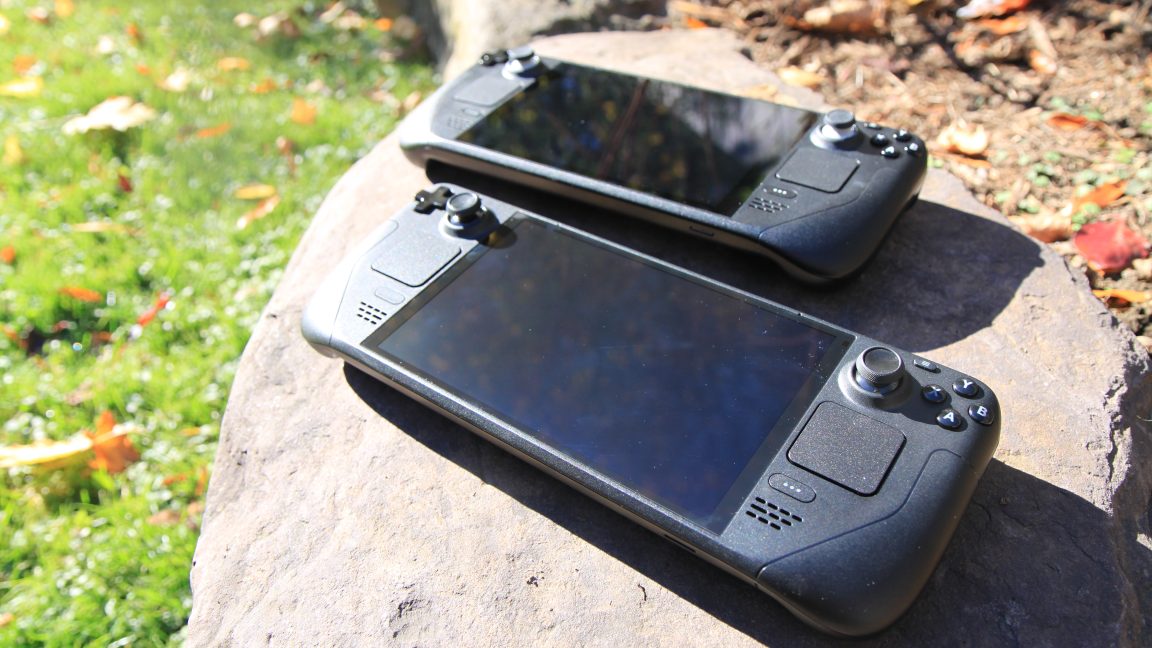
Valve’s Steam Deck appears to be selling at a much slower pace after returning to sale in May at higher prices, according to chart analysis by the Linux gaming site Boiling Steam. The drop matters because the handheld had spent much of its life near the top of Steam’s revenue-based bestseller rankings.
Boiling Steam found that the Steam Deck ranked fifth on Steam’s global top-selling products chart shortly after orders resumed in late May. By early July, the device had fallen to 14th place for two consecutive weeks, according to the site’s review of historical chart data; Steam’s current global chart lists it in 12th place.
That marks a break from the device’s earlier pattern. According to Boiling Steam’s data, the Steam Deck did not fall below seventh place on Steam’s bestseller chart in 2025 and was only occasionally outside the top five.
Rough estimates point to a steep drop
Boiling Steam used Steam’s revenue rankings, estimated weekly revenue for nearby charting games and assumptions about average Steam Deck selling prices to approximate unit sales. The site said the model has a wide margin of error because Valve does not publish Steam Deck unit sales.
Under that model, Boiling Steam estimated that Steam Deck sales may have dropped about 80% from a 2025 baseline of roughly 11,000 to 18,000 units per week to about 1,400 to 3,000 units per week now. The Verge, citing IDC estimates, previously reported that the Steam Deck sold about 4 million units in its first three years.
Boiling Steam linked the decline to Valve’s higher prices, saying the increase had “completely shut down demand for the Steam Deck.” Ars Technica reported in May that the handheld returned to stock at prices ranging from $789 to $949, up from its earlier $400 to $649 range, because of RAM and storage shortages.
At those prices, buyers may compare the Steam Deck with other handheld gaming PCs, according to Ars Technica. Competing lines cited by Ars include Asus’ ROG Ally, Lenovo’s Legion Go and MSI’s Claw.
Supply remains part of the picture
Supply constraints may also be affecting the chart data. Ars Technica reported that Valve warned in February of “intermittent shortages” for Steam Deck models, followed by weaker chart placement and then a period when the device became unavailable until May.
Ars Technica also reported that the Steam Deck briefly sold out in North America after returning at the higher prices. Stock-tracking data cited by Ars showed more consistent availability since late May, but Valve’s continuing warnings of intermittent regional availability suggest supply has not fully normalized.
Valve has not announced a successor to the Steam Deck. Ars Technica has reported that Valve previously said it was still waiting for better chips before releasing a Steam Deck 2, while current component costs could make a more powerful model difficult to price aggressively.
This story draws on original reporting from Ars Technica.