
Starship heat shield remains hurdle for rapid reuse, experts say
Experts say SpaceX’s current tile system may support Starlink launches but still falls short of rapid Starship reuse.
By Hana Yoshida · Markets Reporter
4 min read
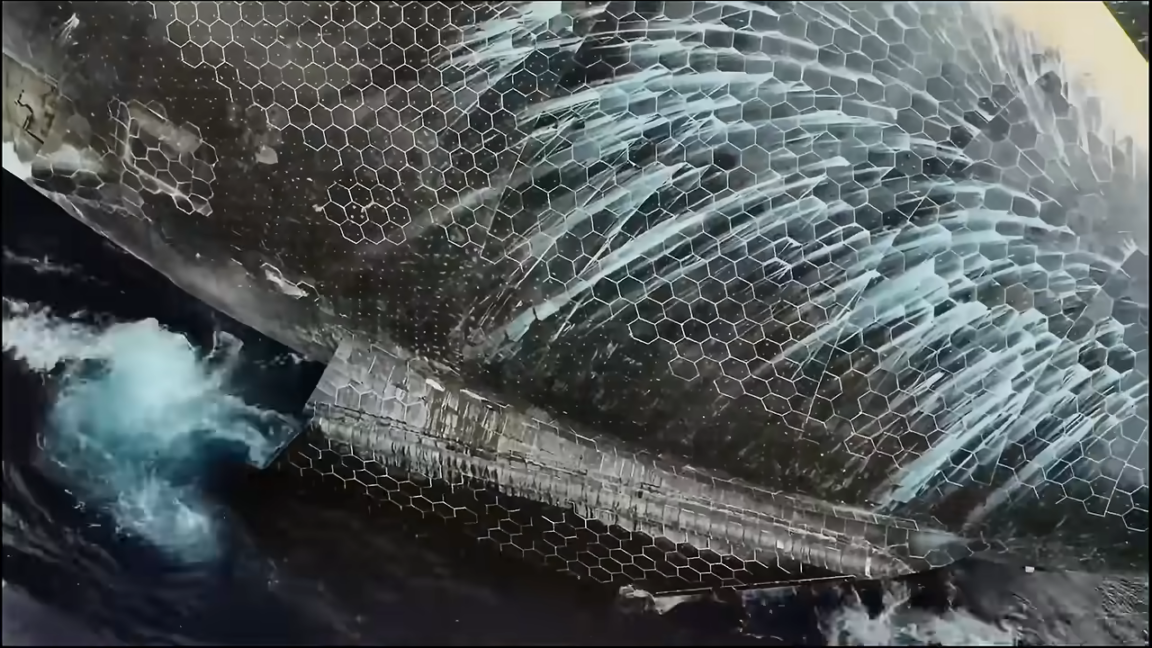
The Starship heat shield remains the central technical question after SpaceX’s 13th test flight, even as the company showed progress toward orbital missions and a possible tower catch on a future launch. Ars Technica reported that several aerospace experts now warn the vehicle’s current thermal protection system may not deliver the fast, low-cost reuse SpaceX ultimately wants.
SpaceX launched Starship on Friday, and Ars Technica reported that the flight showed credible steps toward the rocket’s broader goals. The vehicle could go orbital as soon as its next flight, begin carrying satellites, and potentially return to the launch site for a catch by the launch tower, according to the report.
The unresolved issue is the roughly 18,000 ceramic tiles that shield Starship’s underside during reentry. Those tiles must protect the upper stage as it plunges back through Earth’s atmosphere, where heating can damage or destroy unprotected structures.
Why is the Starship heat shield a problem?
Dan Rasky, a former NASA Ames Research Center engineer who studied heat shield materials for nearly 40 years, told Ars Technica that Starship’s current thermal protection system is a “dead-end” for missions that require full and rapid reusability. Rasky co-invented PICA, the material used on Crew Dragon’s heat shield, according to Ars Technica.
The concern is not whether Starship can survive reentry once. Ars Technica reported that Flight 13’s heat shield protected the vehicle well enough for a controlled descent and landing in the Indian Ocean, and experts noted that only a small number of tiles were lost.
The harder problem is turnaround. Ars Technica reported that SpaceX drone footage of the landed vehicle showed white streaking across the heat shield, with the marks appearing to begin at tile seams. The experts cited by Ars Technica said that pattern could point to hot gas entering at tile boundaries, and the imagery also suggested cracked tiles and chipped edges.
That kind of damage matters because rapid reuse means preparing a flown vehicle for another mission in days or weeks, rather than spending months on inspection and repair. Full reuse means both the Super Heavy booster and the Starship upper stage can fly again, according to Ars Technica’s explanation of the experts’ analysis.
How SpaceX compares with the space shuttle
NASA faced a similar tile problem with the space shuttle, Ars Technica reported. The shuttle’s ceramic tiles protected its aluminum airframe, but each flight required extensive post-flight checks, making reuse expensive and slow.
Starship has an advantage because its steel structure can tolerate higher temperatures than the shuttle’s aluminum structure, including up to 800 degrees Celsius where tiles fail, according to Ars Technica. That means some tile loss may be survivable, but the experts said survivability is different from fast, inexpensive reuse.
Rasky, former NASA astronaut Charles Camarda and Charles Miller, who led the NASA transition team for the Trump-Vance White House, said SpaceX’s current approach is an incremental improvement on shuttle-style tiles while still relying on the same basic concept, Ars Technica reported.
What has SpaceX said about the heat shield?
Elon Musk has publicly described the reusable heat shield as one of Starship’s toughest remaining challenges, Ars Technica reported. In a February podcast appearance with Dwarkesh Patel, Musk called it “the biggest problem that remains” and said SpaceX cannot rely on a laborious inspection process if it wants to land, refuel and fly again.
Ars Technica reported that SpaceX has been testing new tile materials, more standardized tile shapes and other changes through Starship’s flight campaign. The experts said the present system may be adequate for deploying a next-generation Starlink network, but they questioned whether it can support the much higher launch rates envisioned for Moon and Mars settlements, orbital data centers or space-based solar power.
The experts also pointed to a gap in government research. Miller told Ars Technica that, during transition work in late 2024, he was told NASA did not have substantial basic research underway for new low-Earth-orbit reentry thermal protection systems. He said the team recommended a new NASA initiative for Mach 25 heat shield research and demonstrations, but Ars Technica reported that such an effort has not begun.
This story draws on original reporting from Ars Technica.