
SpaceX Starship tower catch may be next after intact ocean landing
Elon Musk said SpaceX may try to catch Starship on its next flight after Flight 13 ended with an intact splashdown in the Indian Ocean.
By Maya Lindqvist · Senior Technology Correspondent
3 min read
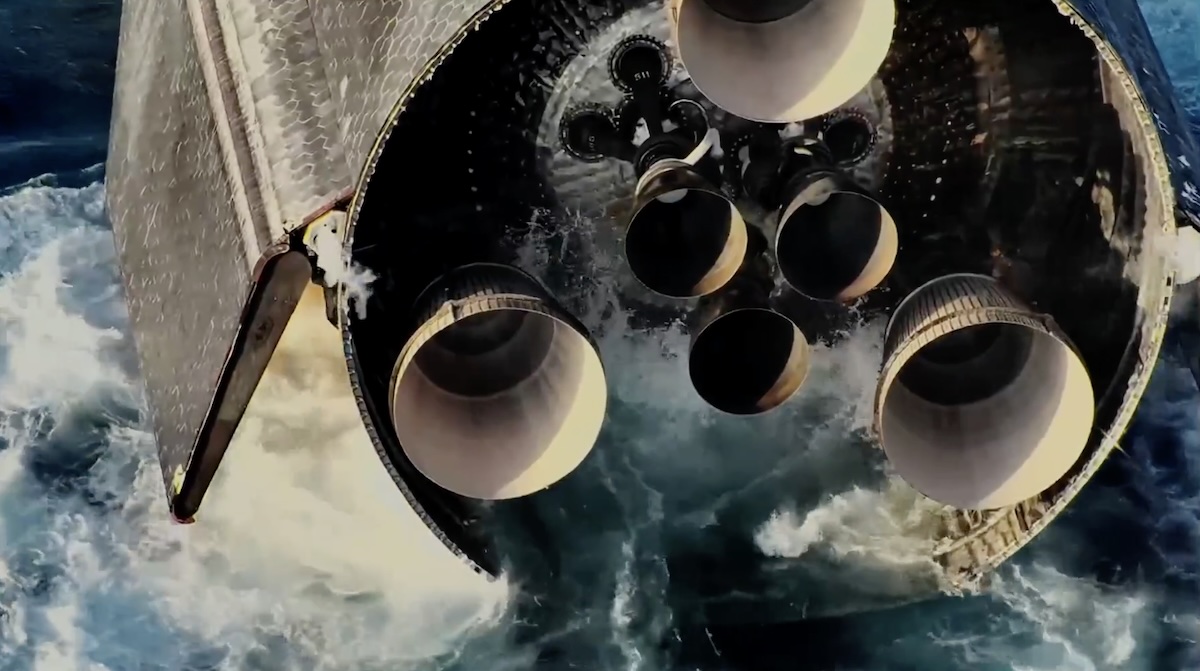
SpaceX may attempt a SpaceX Starship tower catch on the vehicle’s next test flight after the 13th full-scale mission ended with an intact splashdown in the Indian Ocean. Elon Musk said on X that SpaceX would try the catch unless a review of mission data turns up problems.
The July 24 flight sent Starship from Starbase, Texas, on an hour-long suborbital trip to a remote ocean area west of Australia. SpaceX has landed Starship near target points before, but the company’s webcast showed the vehicle floating after splashdown rather than being consumed by fire, an outcome that gives engineers a better chance to inspect the spacecraft.
Will SpaceX catch Starship with the tower on the next flight?
Musk said SpaceX plans to try if post-flight data supports it. A tower catch means Starship would return to the launch site, slow to a hover and be grabbed by mechanical arms on the launch tower instead of landing in the ocean.
SpaceX has already caught the larger Super Heavy booster with the tower, but the ship returns from space at much higher speed. According to the flight account, the next mission could put Starship on a longer-range path, possibly into low-Earth orbit, before bringing it back toward the launch site.
Why the intact splashdown matters
SpaceX used drones to examine Starship’s heat shield after the vehicle reached the water. The company is seeking data on more than 18,000 ceramic tiles that protect the stainless steel structure from reentry heating that SpaceX said reached up to 2,600 degrees Fahrenheit.
Dan Huot, a SpaceX communications manager speaking during the company webcast, said it was the first time SpaceX had put an intact Starship in the water and called it a strong outcome for teams studying the heat shield. Huot also said the vehicle had flown through higher dynamic pressure, putting more stress on it during ascent.
SpaceX continued to receive signals from the spacecraft through its Starlink network after splashdown. Camera views showed water around the vehicle and no obvious external damage to its six Raptor engines, according to the company webcast.
The intact vehicle could allow SpaceX to tow Starship to shore for closer inspection, likely in Australia, according to the flight account. Starship is designed for reuse, though not after saltwater exposure.
Booster recovery remains unfinished
The 408-foot rocket lifted off at 5:51 p.m. CDT from South Texas. SpaceX said all 33 methane-fueled Raptor engines on the Super Heavy booster completed the high-thrust part of the boostback burn for the first time on a Super Heavy V3, but the burn ended early.
The booster then attempted to relight engines for a landing burn over the Gulf of Mexico. SpaceX said only a subset ignited before the booster hit the water hard, leaving controlled booster splashdown as the main incomplete objective of the flight.
Starship continued toward space and released 20 upgraded Starlink V3 satellites through its payload door. SpaceX said ground teams contacted each satellite by radio and laser links and downloaded telemetry before the satellites reentered on the same suborbital path.
The ship also restarted one Raptor engine for about 14 seconds, a test SpaceX described as a core capability for future orbital missions. NASA Administrator Jared Isaacman wrote on X after launch that he was excited about what would be learned from the mission and linked Starship’s progress to future Moon missions.
This story draws on original reporting from Ars Technica.