
Sony PlayStation discs 2028 plan follows steep fall in physical sales
Circana data shows U.S. physical game sales fell from 297 million units in 2009 to 37 million in the latest 12-month period.
By Maya Lindqvist · Senior Technology Correspondent
3 min read
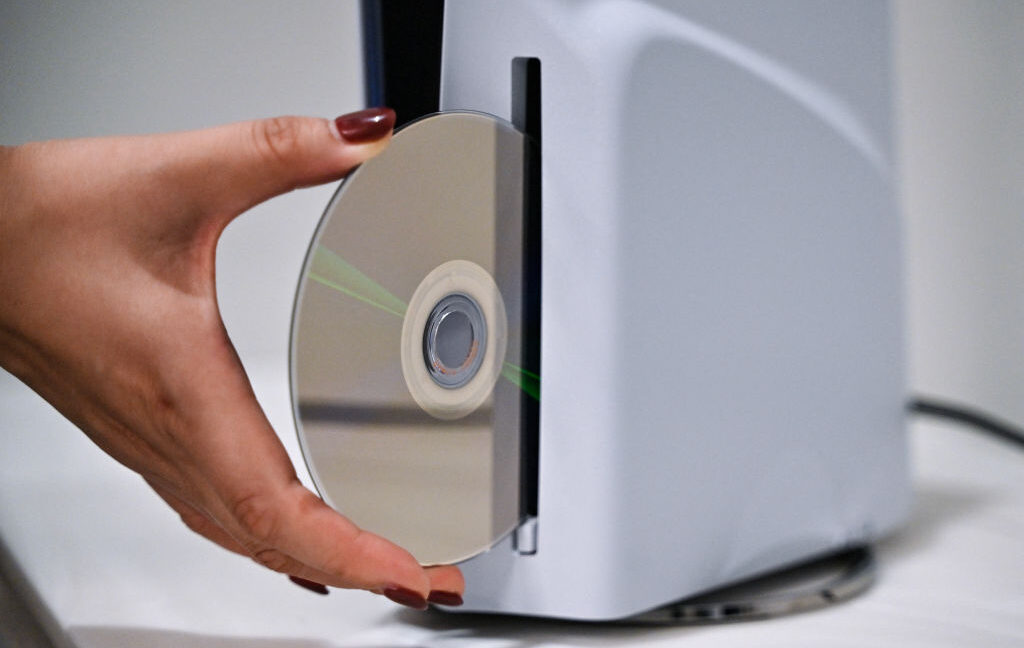
Sony’s plan to stop selling physical PlayStation game discs in 2028 lands after a long collapse in the U.S. market for boxed games. New figures shared by Circana analyst Mat Piscatella show physical game sales are now a fraction of their late-2000s peak.
According to Piscatella, Circana’s U.S. tracking data shows physical video game unit sales reached 297 million in the 12 months ending June 2009. In the most recent 12-month period, that figure was 37 million units.
Why is Sony stopping PlayStation game discs in 2028?
The data points to a smaller business for physical PlayStation games as players buy more games digitally. Physical games are copies sold on discs or cartridges; digital games are downloaded through console storefronts and do not require a packaged retail copy.
Piscatella said only seven PlayStation titles had sold more than 100,000 physical units in the U.S. so far in 2026. By comparison, 100 PlayStation games crossed that same physical-sales threshold in 2008, according to his Circana data.
The top end of the current PlayStation disc market is also limited. Piscatella said the best-selling physical PlayStation game in the U.S. this year has sold 275,000 units so far.
Physical game spending has also dropped sharply
Piscatella reported one recent lift in the boxed-game market: U.S. spending on physical video games was up 4% year to date compared with the prior year. He attributed that increase to Switch 2 and stronger physical sales on Nintendo platforms.
That gain follows a much longer decline. Piscatella said U.S. physical game spending fell for 16 straight years, dropping from $11.5 billion in 2009 to $1.6 billion for the 12 months ending in May.
Other platforms have not shared Nintendo’s recent lift. Piscatella said physical spending on platforms such as PlayStation was still falling by percentages ranging from the teens to the mid-30s.
Digital downloads reshaped console buying
The shift away from discs did not happen at once. Console storefronts such as Xbox Live Arcade, PlayStation Network and WiiWare had already trained players to buy downloadable games by the late 2000s, and downloadable versions of larger releases followed.
By the PlayStation Vita’s 2012 launch, Sony required publishers that made physical cartridges for the system to offer downloadable versions too. Later console generations pushed the same pattern, and physical-only console releases became rare by the end of the 2010s.
Some recent retail products have also reduced the role of the disc or cartridge. Publishers have skipped boxed releases for some major games, while other retail editions have used download-in-a-box approaches, including Nintendo Switch 2 Game Key Cards and printed download codes for Grand Theft Auto VI, according to reporting cited by Ars Technica and Digital Foundry.
Hardware sales show the same move away from discs. Piscatella said 27% of all PS5 units sold in the U.S. so far were digital-only editions, while 52% of Xbox Series hardware sales were digital-only models.
For players who prefer ownership of a boxed copy, Sony’s 2028 plan marks a major change in how PlayStation games are sold. For Sony, Circana’s figures show that the physical disc business has become much smaller than it was when boxed games dominated console retail.
This story draws on original reporting from Ars Technica.