
Running Away Balloon lawsuit targets AI meme generator ad templates
Artist Elmer Saflor says Memes Apps sold his viral comic as a paid AI ad template without permission, raising meme copyright questions.
By Hana Yoshida · Markets Reporter
3 min read
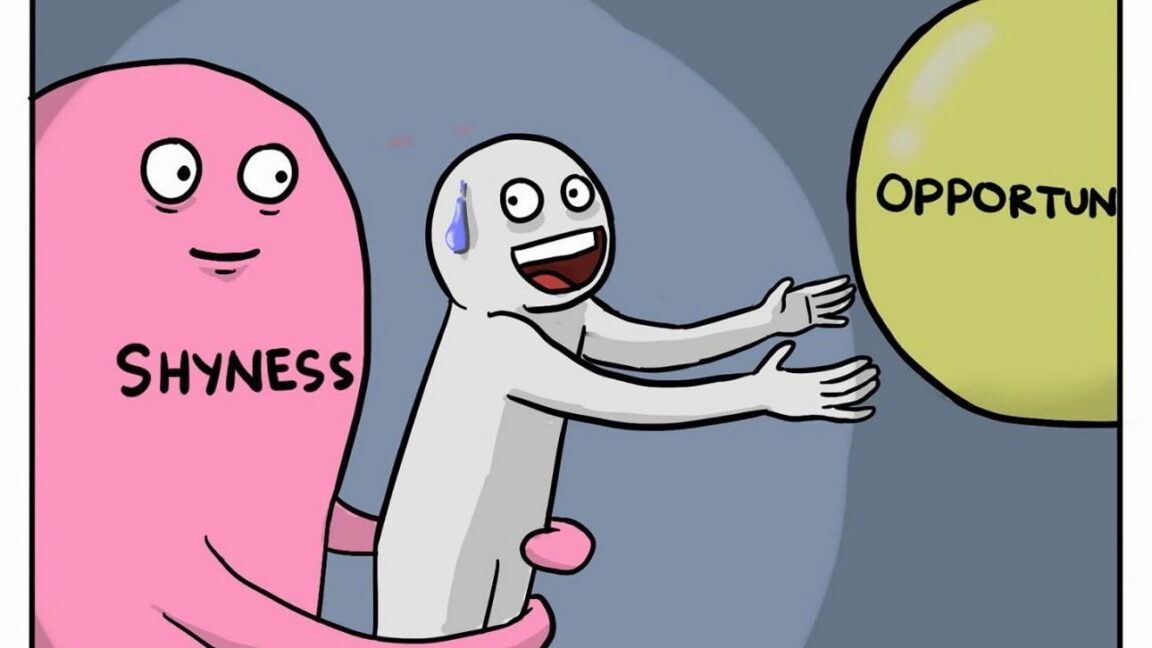
The Running Away Balloon lawsuit puts a viral meme creator in court against an AI meme generator over paid ad templates. Elmer Saflor, a Philippines-based digital artist known online as Superelmer, alleges Memes Apps used his copyrighted two-panel comic in commercial tools without permission, according to a complaint filed this month.
Memes Apps operates Memes.ai and Memes AI Studio, platforms Saflor says sell subscriptions to an ad generator that can produce versions of his comic. Ars Technica reported that Saflor did not contact the company before suing and has not seen specific ads made with his meme, but filed the case to seek discovery and press copyright claims over commercial use.
Ars Technica said it could not immediately reach Memes Apps for comment and could not confirm whether subscribers widely used the template or used it in ads.
What is the Running Away Balloon lawsuit about?
The case centers on Saflor’s claim that a meme generator turned his original artwork into a commercial advertising template. He wants a court order stopping Memes Apps from using the comic, plus an accounting of any ads made from it and profits tied to that use, according to Ars Technica.
The comic became a meme in 2017. It shows a person running toward a yellow balloon labeled “opportunities,” then being held back by a pink character labeled “shyness.” Saflor told Ars Technica that the work came from a personal place and that he welcomed ordinary internet users sharing and remixing it.
Saflor draws a line at paid products. He told Ars Technica that casual meme-making is different from a company making money from his copyrighted work as part of a commercial service.
Why meme copyright could matter beyond this case
Eric Goldman, an internet law expert, told Ars Technica that Saflor has precedent to point to. Goldman cited a 2024 ruling involving the “Success Kid” meme, where a court found that use of that meme in a campaign ad was not allowed without permission.
Goldman said Saflor’s case is stronger because the complaint frames the dispute around commercial advertising. Still, he told Ars Technica that suing the meme generator rather than advertisers may create difficult issues for the court, including whether a ruling for Saflor could affect meme generator services more broadly.
Memes Apps’ subscription model may be central to the dispute. Ars Technica reported that the service offered template access through monthly tiers priced at $40 or $199, and Saflor’s complaint cited the company’s public portfolio as saying more than 40 brands use the platform to generate up to 1,000 ads a month for audiences totaling more than 75 million social media followers.
Goldman also told Ars Technica that damages could be hard to measure if the platform sold broad subscriptions rather than access to one specific meme. Another issue is whether Saflor can show harm if no advertiser used his comic in a finished ad.
How does AI change the meme dispute?
Saflor told Ars Technica he uses AI tools and does not view AI itself as the target of his complaint. His objection is to what he sees as an AI product commercializing creators’ work without authorization.
Goldman told Ars Technica that the AI element may not change the core copyright theory, because the key allegation is that the tool outputs copies of the original comic. He said that point could have some relevance to larger AI copyright fights where copyright owners can show protected work appearing in outputs, though he also described meme generators as a narrow category because memes often spread through copying.
Saflor told Ars Technica that viral status should not erase an artist’s rights. He said he hopes the case prompts broader attention to how AI-powered platforms treat original creators as internet culture becomes part of commercial products.
This story draws on original reporting from Ars Technica.