
Queen mole rats use scent to keep other females infertile
A Nature study reports that a queen-only molecule suppresses breeding and power struggles in naked mole-rat colonies.
By James Whitfield · Staff Writer
3 min read
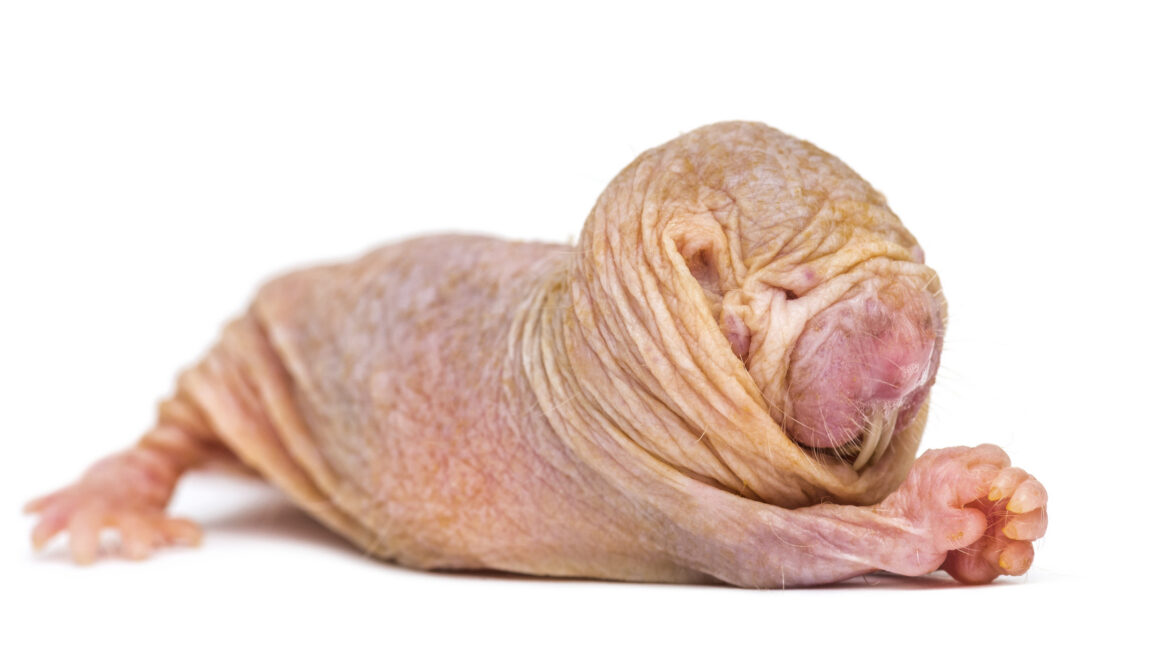
Naked mole-rat queens appear to control reproduction in their colonies with a chemical signal, according to a study published in Nature. The finding helps explain how one breeding female can dominate colonies that may include more than 100 animals spread through long underground tunnel systems.
Researchers at the Max Delbrück Center for Molecular Medicine in Berlin, led by neurobiologist Gary Lewin, identified a queen-associated compound called isopropyl myristate. The team reported that the molecule changes hormone levels in other females and can prevent them from breeding even when the queen is absent.
Naked mole rats are unusual mammals. The researchers note that they live largely underground, have poor vision, can survive long periods without oxygen, rarely develop cancer and can live beyond 30 years. They are also eusocial, a form of social organization more familiar from ants, bees and termites, in which most colony members do not reproduce.
Smell marks colony identity
Lewin’s team tested the animals’ reliance on scent by collecting volatile chemicals from individual mole rats. The researchers held absorbent plastic tubes near animals, then used mass spectrometry to separate each scent sample into roughly 100 chemical components.
After analyzing samples from hundreds of animals, the scientists reported that each colony had a distinct chemical profile. In behavioral tests, mole rats placed with animals from other colonies sniffed them before attacking, while chemical shutdown of olfactory sensory neurons temporarily ended that aggression, according to the study.
The work also found a signal tied specifically to queens. Isopropyl myristate appeared in samples from breeding females and not from non-breeding animals, the team reported.
The researchers found that queens secreted the compound from their genitals and deposited it as they moved through tunnels. Measurements across the reproductive cycle showed that the chemical rose and fell with fertility, reaching its highest levels when queens were in heat or pregnant, according to Lewin’s group.
The compound also lingered after it was deposited. The team reported that it could still be detected in cages about 24 hours after application, a trait that could help the signal spread through burrow systems that can extend up to three kilometers.
Hormones and hierarchy
The researchers tested how colony members responded to isopropyl myristate. In a T-maze experiment, higher-ranking females avoided the side containing the queen’s molecule, according to the study. Lewin’s team said those animals are the ones most likely to compete for breeding status.
Functional ultrasound imaging showed that exposure to the compound activated a large region of the olfactory cortex in anesthetized mole rats, the researchers reported. The team interpreted that as evidence that the molecule is detected as a specific signal rather than background odor.
The study also linked the molecule to reproductive hormones. Non-breeding females normally have high levels of prolactin, a hormone associated with suppressed fertility during nursing in mammals, according to the researchers. When a queen was removed, prolactin fell and progesterone rose; when isopropyl myristate was reintroduced, prolactin climbed again and progesterone moved in the opposite direction.
The strongest evidence came from breeding experiments. The team removed mating pairs from queen influence, a condition in which mole rats usually begin breeding within four or five weeks, according to the study. Pairs exposed daily to isopropyl myristate did not become pregnant.
In a colony-level test, researchers removed the queen and treated the colony with the compound every day for three months. The study reports that females did not fight to establish a new queen and no replacement breeder emerged.
Lewin’s team said the results make naked mole-rat reproduction look more like insect eusocial systems than expected, because honeybee and other insect queens also use pheromones to suppress worker reproduction. The researchers added that isopropyl myristate has been detected in secretions from lactating human mothers, though its function there is unknown.
This story draws on original reporting from Ars Technica.