
Piercing pillow earbuds setup offers cheaper option for side sleepers
The Verge says pillows with ear cutouts can help side sleepers use standard earbuds instead of buying dedicated sleepbuds.
By James Whitfield · Staff Writer
2 min read
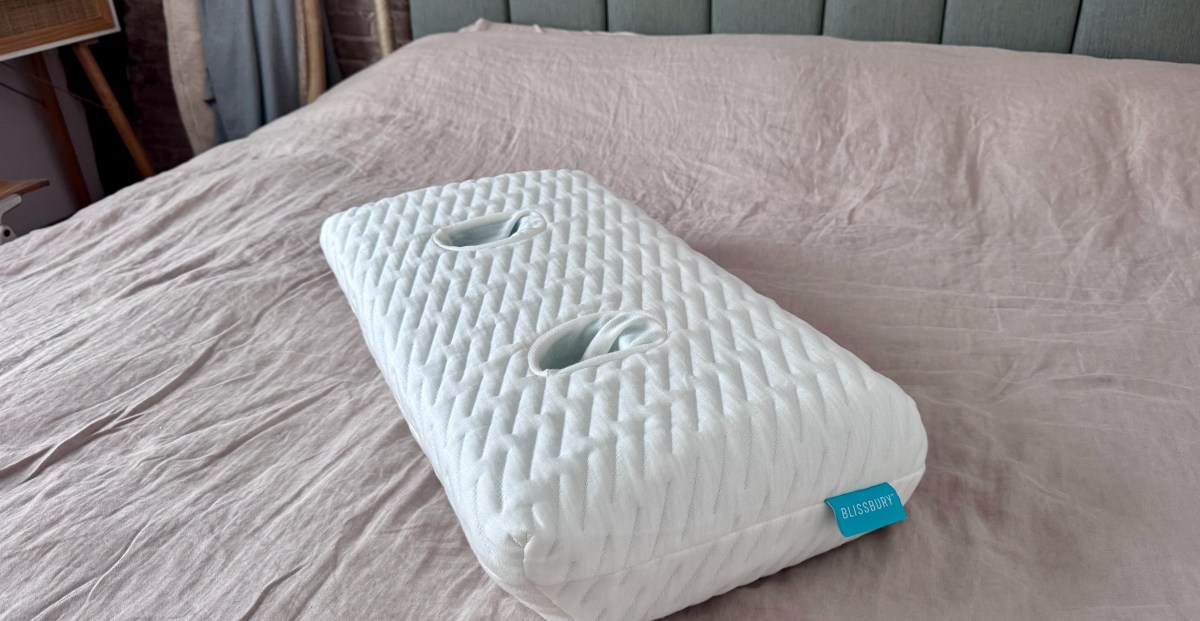
The Verge says a piercing pillow earbuds setup can give side sleepers a cheaper way to listen in bed without buying dedicated sleepbuds. In a July 25 review, deputy editor Thomas Ricker said pillows made with ear openings can work with common wireless earbuds while avoiding the cost of a second, specialized pair.
Ricker compared the approach with sleep earbuds from companies including Anker and Ozlo. Those devices are built to sit nearly flush in the ear so people can sleep on their side while listening to podcasts, audiobooks, music or white noise without disturbing a partner, according to The Verge.
The trade-off, Ricker wrote, is price and specialization. He noted that sleepbuds can cost more than $200, while a pillow designed around an ear cutout costs less and does not bring its own battery, Bluetooth connection or charging routine.
Can a piercing pillow work with earbuds?
According to Ricker, yes. Piercing pillows are sold for people with newly pierced ears because the cutout keeps pressure off tender tissue, but the same opening can also create space for larger earbuds while a person sleeps on their side.
Ricker said the idea worked with “bulbous” modern earbuds, naming AirPods, Galaxy Buds and Pixel Buds as examples. The point is that the pillow makes room around the ear, rather than requiring the earbud itself to be thin enough for side sleeping.
The Verge described piercing pillows as available in many shapes, sizes and firmness levels. Ricker bought Blissbury’s $55 Ear Pillow and said one reason for choosing it was that it has two ear cutouts, which gave him more flexibility.
What is a piercing pillow?
A piercing pillow is a pillow with a hole or recessed area where the ear rests. Its intended use is to keep a fresh piercing from being pressed between the head and the pillow overnight.
For earbud users, that same design can reduce pressure from the earbud housing when lying sideways. It does not replace the earbuds; it changes the surface they press against while sleeping.
The review frames the pillow as a low-tech workaround for a problem that audio companies have addressed with more purpose-built hardware. Ricker’s account is limited to the products he discussed, and The Verge disclosed that Vox Media may earn a commission when readers buy products through its links.
This story draws on original reporting from The Verge.