
Museum visitor data is reshaping art tours and gallery layouts
A Van Gogh Museum study found digital guide data can predict visitor routes, raising new questions about personalization and curation.
By Hana Yoshida · Markets Reporter
4 min read
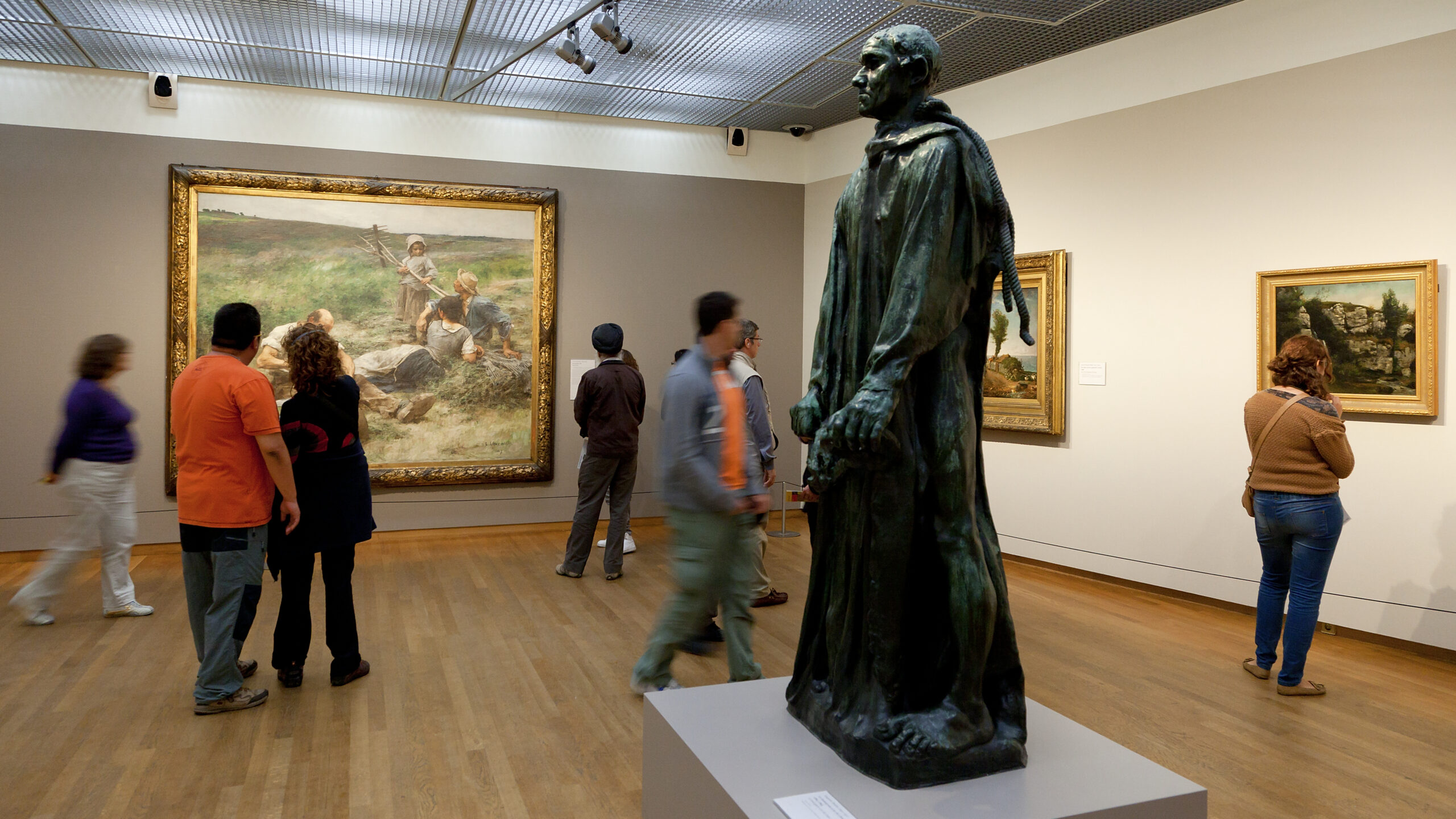
Art museums are turning museum visitor data into a planning tool for galleries, audio tours and digital recommendations. A study tied to Amsterdam’s Van Gogh Museum suggests that information from multimedia guides can help predict where visitors go next and how much art they see.
The research, by Ali Aouad of MIT Sloan School of Management, Abhishek Deshmane of Georgia Tech’s Scheller College of Business and Victor Martínez de Albéniz of IESE Business School, was published in the April 2026 print issue of Management Science. The team analyzed a random sample of 25,000 visits from 1.5 million visits to the museum between 2019 and 2021.
The researchers combined digital guide interactions with information about the museum’s collection and gallery placement. The Van Gogh Museum holds more than 4,600 works, with about 200 on view at a given time, according to the researchers.
How are museums using visitor data?
Museums can use visitor data to see which works people choose, how visits unfold and where digital prompts may change foot traffic. The same information can also shape audio tours, reduce crowding and support personalized suggestions, according to museum technology specialists cited by the researchers.
The Van Gogh Museum study found that many users followed the multimedia guide’s recommended order. Lisa van den Bos, who was product manager for digital education at the museum during the study, said the results showed that even small changes in a guide’s sequence could shift visitor movement.
The researchers’ model, called pathway multinomial logit, estimated the likelihood that a visitor would move to another artwork, change floors or leave. The authors cautioned that the model identifies patterns rather than proving cause and effect.
Tested against data not used to build it, the model predicted transitions between artworks with 63 percent accuracy, according to the study. The researchers also reported 81 percent accuracy in predicting whether visitors would reach particular works and 96 percent accuracy in predicting departure rates.
The findings suggested that visitors often looked for variety in period and size, but tended to prefer continuity in theme and subject. The team also found that as visits wore on, people became more likely to seek out major works.
Congestion did not always reduce engagement, according to Deshmane. He said crowds around a work could draw visitors toward pieces they otherwise might have skipped, possibly because other viewers act as a signal of importance.
Digital guides are becoming a bigger part of museum planning
Digital guides are widely available, though use varies. Sietze de Jong, creative and managing director of Tapart, said 36 percent of the Van Gogh Museum’s average 4,600 daily visitors booked multimedia guides in 2023, up from the 25 percent to 31 percent range during the study period. He said paid tour uptake across comparable institutions was closer to 10 percent.
De Jong said many museums request analytics in audio guides but often lack the staff capacity to review the results. McKinsey & Company said in a 2023 report that museums are under growing pressure from trustees, funders and governments to use data to support strategy and show progress.
The Van Gogh Museum announced a redesigned multimedia tour in 2025, with Samsung hardware and software from NOUS Digital. The museum said the design drew on research into how visitors use digital guides.
The broader shift raises curatorial questions. Hilary Knight, director of Change& and a former Tate digital director, said museums should avoid recommendations that only mirror what visitors are expected to like, because art can also challenge viewers and expand their tastes.
Other institutions are testing related technology. MUNCH in Oslo used machine learning in its New Snow exhibition, offered in two waves from 2024 to 2025, to match visitor drawings with items from Edvard Munch’s sketches. The museum said more than 70,000 visitor drawings were created.
Museum officials cited in the research said technology still has to serve interpretation rather than replace it. Van den Bos said museums remain creative spaces where story and creativity lead, even as data gives staff more ways to understand the visit.
This story draws on original reporting from Ars Technica.