
Meta's AI watermark tool faces questions after limited rollout
Content Seal marks some Meta-made AI images, but early limits and outside tests raise questions about how useful it will be across the web.
By James Whitfield · Staff Writer
3 min read
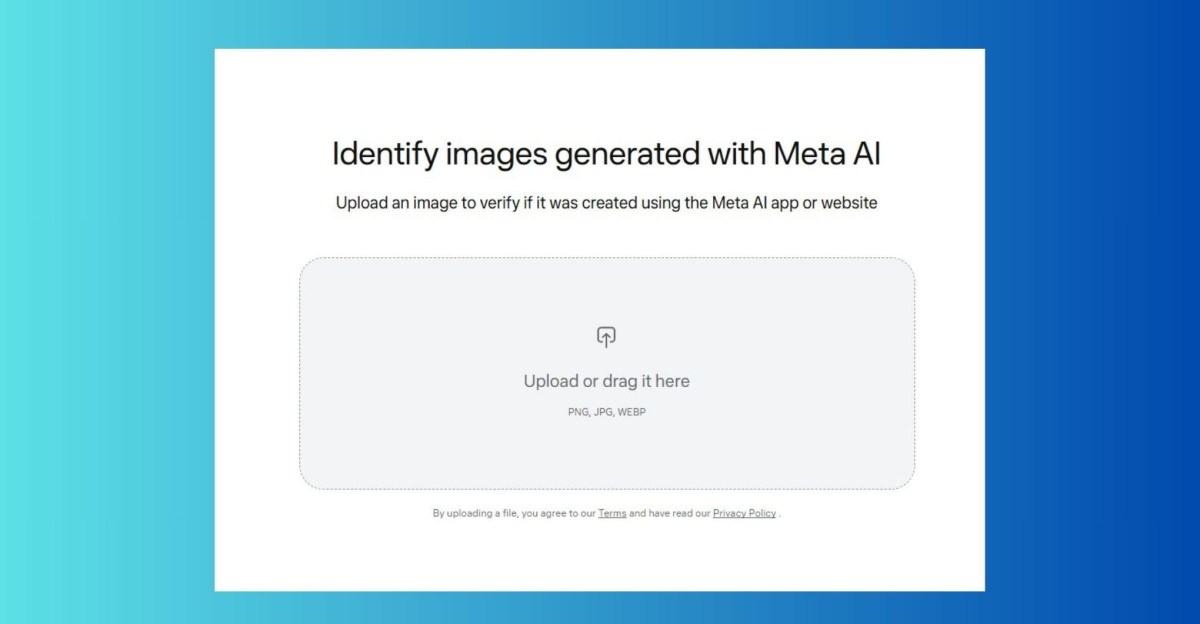
Meta has introduced Content Seal, an invisible watermarking system meant to identify images made by its newest AI image model, Muse. The rollout matters because Meta is under pressure to help users spot deceptive synthetic media across Facebook, Instagram and the wider internet.
The company announced Content Seal in July alongside its Muse image and video generation tools, according to The Verge. The launch followed a March call from Meta’s Oversight Board urging the company to meet its public commitments and use its own tools to address deceptive generative AI content during conflicts.
Meta says Content Seal embeds a hidden signal into AI-generated images. The company says that signal can survive common edits such as cropping, compression, resizing and screenshots, and can be checked through a detection tool Meta is testing.
The approach resembles Google’s SynthID, a watermarking system used to identify AI-generated media, The Verge reported. Google has built SynthID detection into Gemini, while Meta’s current Content Seal detector is a separate web tool.
Meta spokesperson Faith Eischen told The Verge the company is “exploring ways to bring detection closer to where people encounter AI-generated content.” She also said Meta built Content Seal for its own technical requirements and products, adding that “multiple approaches” are needed across the industry.
Content Seal currently applies only to images generated by Muse in the Meta AI app and on Meta.ai, according to The Verge. That means it does not identify material made with Meta’s earlier AI image tools. Meta says support for generated video is coming “soon.”
The detection tool also has a daily usage limit. Eischen told The Verge the limit is meant to allow “normal usage” while protecting the system from abuse. Google and OpenAI also apply rate limits to their detection tools, while the C2PA Content Credentials system does not cap checks, according to The Verge.
Meta is already a steering committee member of the Coalition for Content Provenance and Authenticity, which promotes Content Credentials. Google is also involved with C2PA, and OpenAI has adopted SynthID, The Verge reported.
Questions remain about whether other platforms will detect Content Seal markers. Eischen told The Verge that Meta is “determined to work with our industry peers to make sure users have the best experience possible.” The Verge reported that a Muse-generated test image was not confirmed as AI-made by Gemini or by the official C2PA detection portal.
On Facebook and Instagram, Eischen said Meta uses unspecified metadata “alongside Content Seal watermarking” to help label AI-generated content. Meta did not provide The Verge with on-the-record clarification about whether Content Seal can be applied alongside SynthID and Content Credentials without conflicts.
The company has had problems with AI labels before. The Verge reported that Meta added AI tags to Instagram and Facebook in 2023, and that photographers later objected after real photos were incorrectly labeled “Made by AI.”
Reuters has also reported early reliability concerns. In a July test cited by The Verge, Reuters found that Content Seal failed to identify more than half of the Muse-generated images it checked after the images had been cropped.
Meta executives have also discussed the difficulty of handling AI content in feeds. Instagram head Adam Mosseri said on Lenny Rachitsky’s podcast that users should be told whether content is AI-generated, while also saying, “I don’t think we should filter out AI content,” according to The Verge.
This story draws on original reporting from The Verge.