
LG monitor McAfee ads to be disabled after Microsoft contacts LG
Microsoft says LG will turn off McAfee pop-ups in a monitor app that users say installed through Windows Update.
By James Whitfield · Staff Writer
3 min read
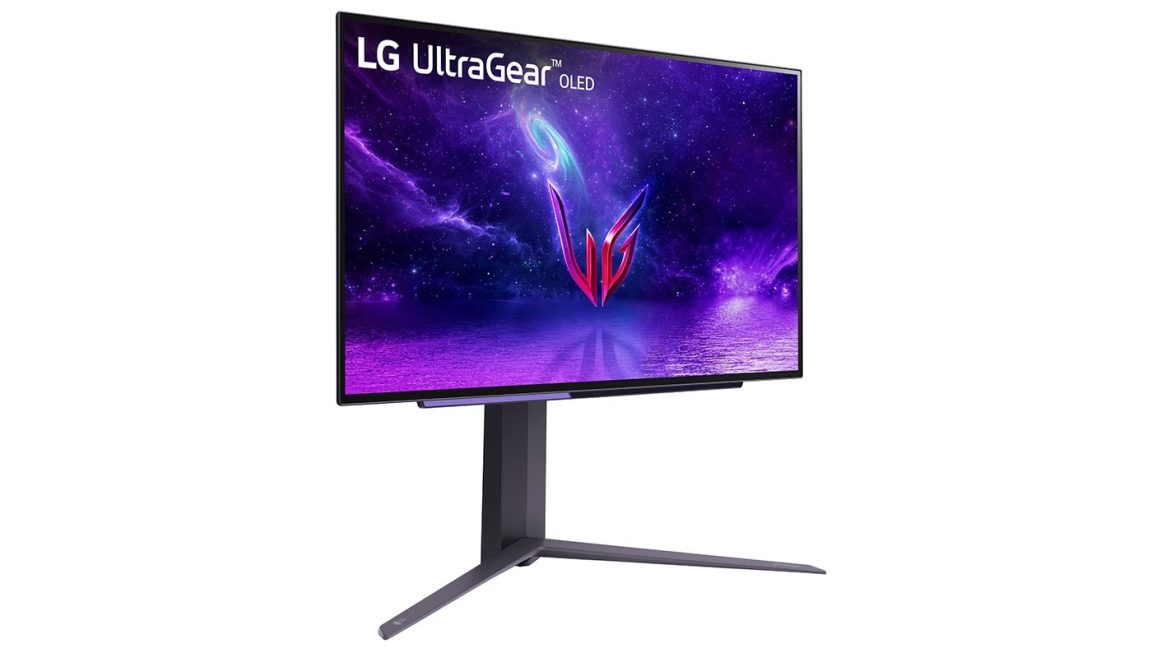
Microsoft says LG has agreed to disable LG monitor McAfee ads appearing through the LG Monitor App Installer, a Windows app that users and reviewers say arrived on PCs through Windows Update with monitor-related software. The move addresses one visible pop-up but leaves broader complaints about monitor companion apps installing and promoting software without a clear prompt.
Pavan Davuluri, Microsoft’s executive vice president of Windows and devices, said on X that Microsoft had contacted LG and that LG agreed as an immediate step to disable the McAfee pop-up from its app. Davuluri said Microsoft would keep working with hardware partners on the customer experience.
The complaints gained wider attention after posts on Reddit and a video from Gamers Nexus. In that video, editor-in-chief Steve Burke said Gamers Nexus bought an LG UltraGear 34GX900A-B gaming monitor for $1,200 for testing, then reproduced the behavior several times on multiple Windows 11 machines. Burke said the monitor’s price fell to $600 two days after the purchase.
Why did LG monitor McAfee ads appear on Windows PCs?
According to user reports and Gamers Nexus, LG Monitor App Installer was installed through Windows Update alongside monitor driver updates. After installation, Burke said a pop-up appeared in the lower-right corner at every boot, most often advertising a 30-day McAfee trial.
Gamers Nexus also reported seeing occasional promotions for LG Switch, LG Calibration Studio, LG Dual Controller and LG Channels. Windows Latest reported that LG Monitor App Installer recently received an update whose changelog mentioned McAfee as an added app, which may explain why more users began seeing the McAfee promotions.
LG Monitor App Installer’s Microsoft Store description says it helps users install and use apps supported by their monitor. The listing includes McAfee among the supported apps, according to Ars Technica.
Microsoft’s rules allow some device apps to install automatically
Microsoft developer documentation says Universal Windows Platform device apps can install automatically when a user connects a device to a PC, under certain conditions. The Microsoft page says that can happen if the user has not opted out of Recommended Settings during Windows setup, is connected to the Internet and is signed in to the Microsoft Store.
The same Microsoft documentation says the automatic installation process does not notify the user when the app is installed. Microsoft’s page warns developers that some users may find that confusing or frustrating and may rate an app poorly.
The LG case has drawn attention because many monitors can function without a companion app. Users have also criticized other hardware makers, including Razer, Logitech, Asus and Gigabyte, over automatic or unwanted software tied to peripherals or components, according to reports and user complaints cited by Ars Technica.
Privacy and affected monitor questions remain
Burke said the LG app’s permissions raised privacy concerns because it appeared to have access to “all system resources” and could collect categories including geolocation, device data, online activity, contacts, credentials and transactions. Those claims were based on the app information shown by Gamers Nexus.
Gamers Nexus said user complaints identified several monitors associated with the installer, including 34GX900A-B, 45GX950-B.AEU, 32GS95UE-B, 39GX950B, 27GP83B-B, 27GN800 and 27GN850-B. The 32GS95UE-B appeared twice in the list cited by Ars Technica.
Ars Technica said it asked LG about the app’s purpose, which monitors were affected and the privacy concerns. LG acknowledged the questions but did not provide answers before publication, according to Ars Technica.
This story draws on original reporting from Ars Technica.