
Jill Lepore warns AI is shifting power away from democracy
The Harvard historian says private platforms, bots and AI-driven politics are weakening the liberal nation-state.
By James Whitfield · Staff Writer
3 min read
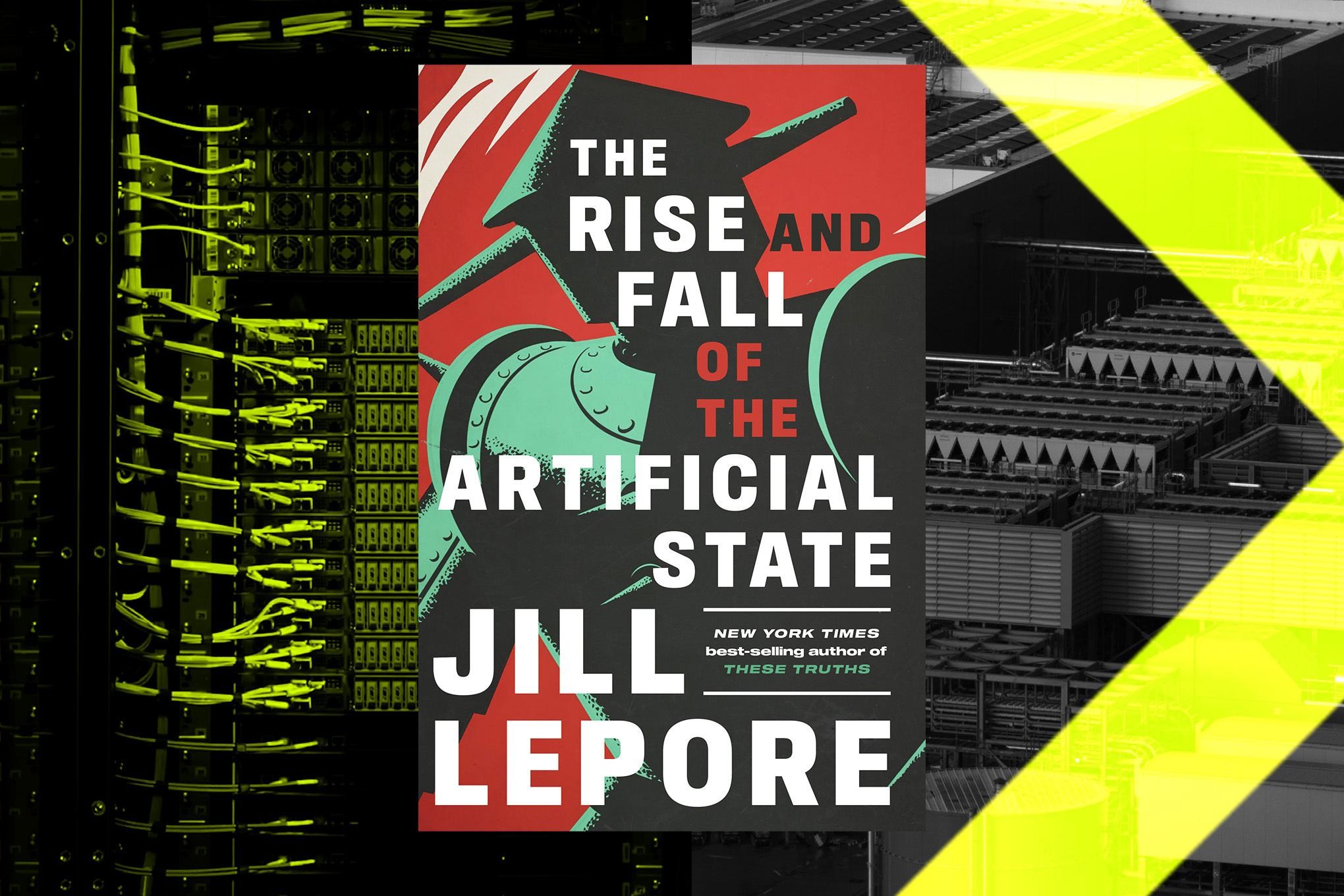
Harvard historian Jill Lepore is warning that artificial intelligence and platform power are pushing key democratic functions out of public control. In an interview on The Verge’s Decoder podcast, Lepore argued that resistance to AI leaders and their political influence is a necessary sign of civic life, not a sideshow.
Lepore, a Harvard professor of history and law and a staff writer at The New Yorker, is promoting her book The Rise and Fall of the Artificial State, due out Aug. 25. She told Decoder host Nilay Patel that the “artificial state” is a successor to the liberal nation-state, where private multinational companies increasingly perform roles once tied to constitutional democracy.
Private platforms and public power
Lepore said public debate has largely moved onto corporate-owned platforms that shape how citizens learn about elections, public affairs and their rights. She argued that those spaces do not prioritize democratic discussion, but the capture of attention and anger for profit.
She also said bots now dominate major social platforms, naming X, Facebook and TikTok. According to Lepore, those automated accounts are controlled by a mix of corporations, governments, criminals, terrorists and other actors, creating a risk that democratic self-government is displaced by machine-driven systems.
The concern at the center of Lepore’s argument is quantification. She said governments, campaigns and companies increasingly turn people into measurable data, then use those measurements to make decisions that once required direct human contact and public deliberation.
From polling to AI campaigns
Lepore traced part of that shift to the rise of scientific polling in the 1930s. She cited George Gallup’s creation of the American Institute of Public Opinion in 1935 as a turning point in the way campaigns learned to measure voters.
According to Lepore, polling and later data analysis reduced the need for candidates and campaign workers to speak with people in neighborhoods, civic meetings and public spaces. She said those ordinary conversations helped hold civil society together, while modern campaigns can replace them with data extraction.
Lepore said the pattern is accelerating as AI enters elections. She pointed to reports that some voters have asked ChatGPT how to vote in primaries, while campaign messages may also be written and targeted by AI systems. She described that dynamic as a politics in which automated tools increasingly address one another.
Decoder’s discussion also covered science fiction that imagined machines choosing presidents. Lepore mentioned Isaac Asimov’s 1950s story “Franchise,” in which a computer selects a single representative voter. She contrasted that cautionary tradition with comments by OpenAI chief executive Sam Altman on Joe Rogan’s podcast about the idea of AI choosing a president, which she said reflected a broader tech-industry faith in machine efficiency.
Silicon Valley’s political promise
Lepore said the idea that computers would liberate society emerged strongly in the 1980s, including Apple’s 1984 Macintosh advertising. She tied that rhetoric to a California technology culture that blended counterculture ideas, libertarian politics and computer utopianism.
She said similar promises followed with the commercial internet in the 1990s and social media in the 2000s, when companies argued that connecting people would make societies more democratic. Lepore told Decoder that those promises were not realized, though she acknowledged that many people sincerely believed in the internet’s democratic potential.
Lepore was sharply critical of some Silicon Valley leaders, including Elon Musk and Peter Thiel, saying the culture often dismisses historical knowledge and humanistic study. She said the tech world tends to value knowledge that can be used commercially, while treating older forms of wisdom as obstacles.
Despite the bleak diagnosis, Lepore said she sees some reason for hope in public pushback. Decoder noted recent graduation ceremonies where students booed AI executives, and Lepore included that backlash among signs that people are still willing to challenge the direction of AI power.
This story draws on original reporting from The Verge.