
Hyundai says robot rollout is outside South Korea strike talks
The automaker says negotiations with its Korean union center on pay and retirement, while reports point to wider labor concern over AI and automation.
By Hana Yoshida · Markets Reporter
3 min read
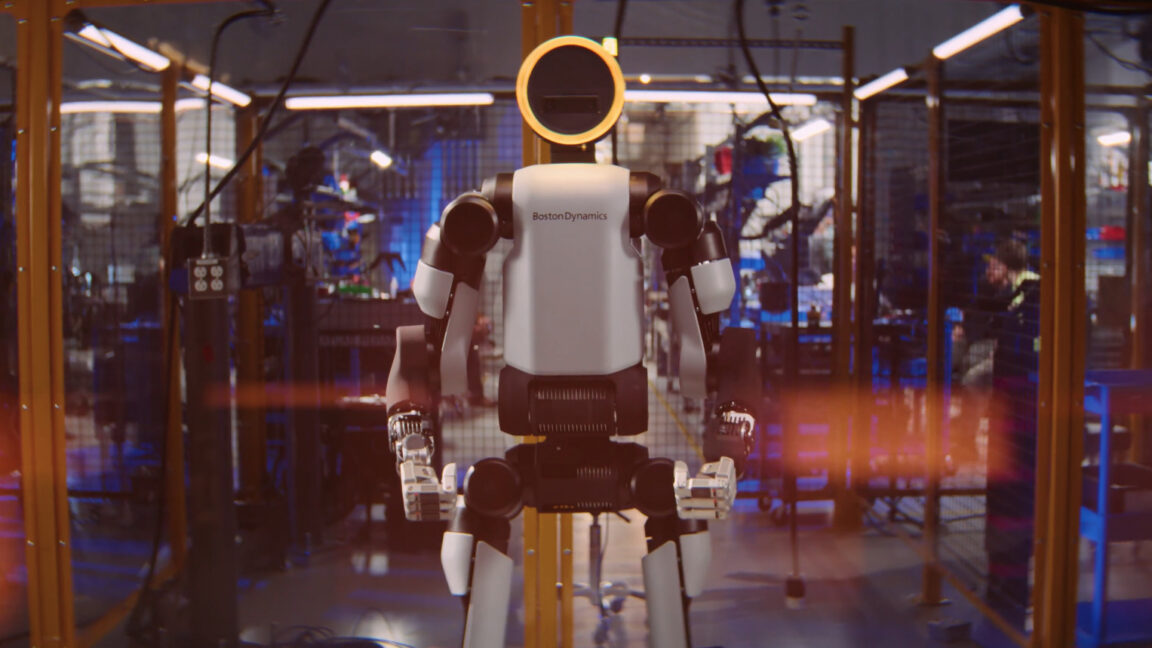
Hyundai Motor Company says its plan to deploy humanoid robots is not part of current talks with striking autoworkers in South Korea. The statement matters because the dispute has become a test of how unions and automakers handle AI-driven automation on factory floors.
In a statement reported by Ars Technica, Hyundai disputed accounts that partial strikes by the Hyundai Motor union were driven by the company’s plan to use Atlas humanoid robots at a U.S. factory beginning in 2028. The company said the union’s current demands concern compensation issues, including higher wages, bonuses and an extension of the retirement age.
Hyundai said possible use of robots in Korean production plants is outside the present labor-management talks. The automaker also said it remains engaged with the union and wants an agreement that serves both employees and the company over the long term.
The company said its announced robotics plan applies only to the first deployment of Atlas at Metaplant America, Hyundai’s electric vehicle factory near Savannah, Georgia. Hyundai said any later decisions about using Atlas at other sites would depend on local operational needs and would involve discussions with workers and workforce representatives at those locations.
The issue has drawn attention because other reports have described robotics and AI as part of the labor conflict. The Wall Street Journal reported that the Hyundai Motor union had made unusual demands aimed at protecting jobs as robots and AI enter factories, and it characterized some compensation demands as a way to guard against possible cuts in work hours tied to automation.
The union raised concerns earlier this year after Hyundai showed the production version of the Atlas robot at the Consumer Electronics Show in Las Vegas in January, Reuters reported. Atlas was developed by Boston Dynamics, the U.S. robotics company that is now wholly owned by Hyundai.
Reuters reported that the union told Hyundai in an internal letter that no robot using new technology would enter the workplace without a labor-management agreement. The Hyundai Motor union is a branch of the Korean Metal Workers’ Union.
The Korea Times reported that Hyundai management and the union are reviewing a wage reform proposal intended to give factory workers more income stability after the planned deployment of humanoid robots. The newspaper said the proposal would shift overtime and night-shift allowances from hourly pay into fixed wages, while experts warned that such a change could reduce company productivity.
Automation enters labor bargaining
South Korea has seen more union groups seek negotiations with management since a new labor law took effect in March 2026, according to Tech Policy Press. The “yellow envelope law” expands rights for subcontracted workers and limits employers’ ability to seek damages from unions over strikes.
The Korea Times reported that the law could slow the shift toward robot labor because it treats management decisions that significantly affect working conditions as matters subject to collective bargaining and labor action. Labor experts told the newspaper that large automation projects involving robots would therefore need to be negotiated with workers.
The Korean Confederation of Trade Unions also set up a joint consultative body with the South Korean government in February to discuss labor issues, including AI-based automation and robotics, The Korea Times reported. The group said government policy would help determine whether the transition brings insecurity for workers or improves quality of life.
Hyundai’s Georgia Metaplant, the first site named for Atlas deployment, does not have a unionized workforce. The United Auto Workers, which represents about 400,000 autoworkers across the U.S., Canada and Puerto Rico, has tried to organize workers at the plant, according to the union.
This story draws on original reporting from Ars Technica.