
Framework Laptop 13 Pro price jumps $800 before launch
A Verge review says memory costs pushed the high-end prebuilt model from $2,299 to $3,099, complicating a strong debut.
By James Whitfield · Staff Writer
3 min read
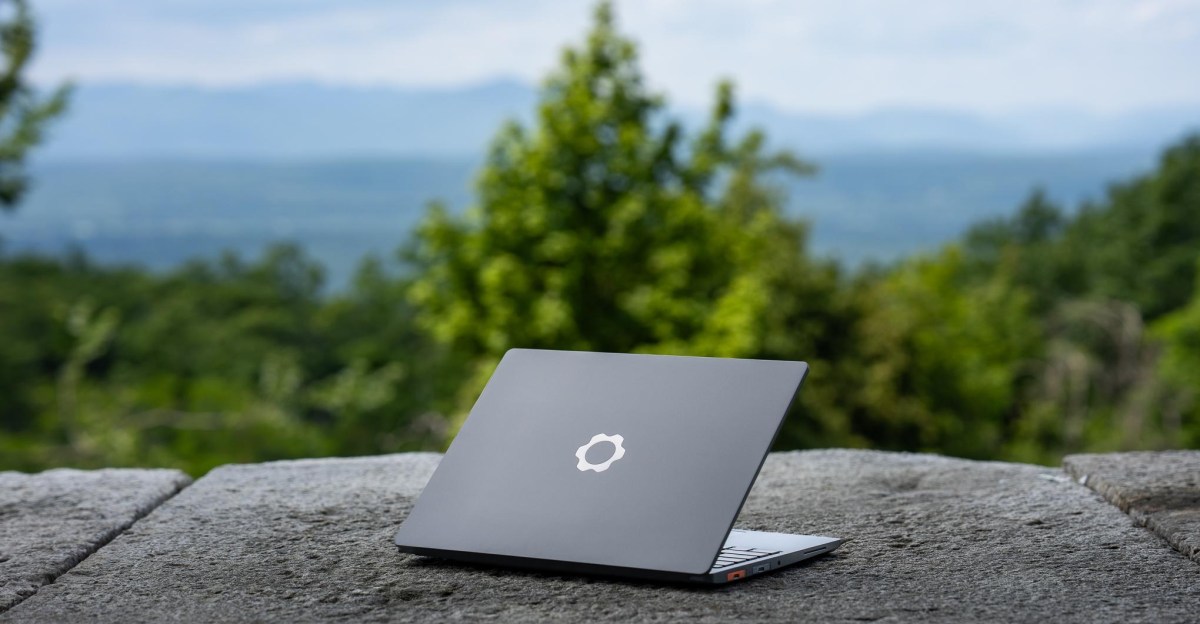
The Framework Laptop 13 Pro price has climbed sharply before the machine reaches customers, with a high-end prebuilt Windows configuration rising from an expected $2,299 to $3,099, according to The Verge. The increase matters because the review also describes the laptop as one of Framework’s strongest designs yet, combining repairability with a more premium build.
Reviewer Antonio G. Di Benedetto gave the laptop a Verge Score of 8 and praised its modular design, keyboard, haptic trackpad, touchscreen and battery life. He also said the new price, driven by rising memory costs, makes the machine hard to recommend on value alone.
Why did the Framework Laptop 13 Pro price go up?
The Verge attributed the $800 jump to recent increases in RAM pricing, a broader PC component crunch it called RAMageddon. Di Benedetto reported that Framework has raised prices across its devices and that some reserved Laptop 13 Pro preorders were changed from 32GB of RAM to 16GB.
The model reviewed by The Verge used Intel’s Core Ultra X7 358H processor, a 12-core Arc B390 integrated GPU, 32GB of LPCAMM2 memory, a 1TB SSD and four modular USB-C ports. The review said each of those ports supports Thunderbolt 4, DisplayPort 2.1 and charging up to 140W, giving buyers flexibility when placing Framework’s expansion cards.
LPCAMM2 is a newer replaceable memory format that uses compression mounting rather than soldering the memory to the main board. The Verge said it helps with performance and power efficiency, while also noting that the technology is generally more expensive than DDR5.
What The Verge liked in the review
Di Benedetto described the Laptop 13 Pro as a more polished version of Framework’s regular Laptop 13. The review highlighted a rigid black chassis, a one-piece aluminum frame, a strong keyboard with 1.5mm of travel and a haptic trackpad that Di Benedetto called the best he had used outside Apple’s laptops.
The display also drew praise. The Verge said the 13.5-inch matte IPS touchscreen has a 2880 x 1920 resolution, a 120Hz refresh rate, a 3:2 aspect ratio and 700 nits of brightness.
Battery life was another strength in the review. Framework claims up to 17 hours of active web use at 250 nits, while Di Benedetto said his unit ran for about 10.5 hours from a full charge to 12 percent remaining while using high brightness, Chrome tabs, Slack, Signal and some Apple Music streaming.
Where the laptop falls short
The Verge found that Apple’s cheaper M5 laptops still led in several performance comparisons, though the Framework machine performed well in graphics-heavy work and everyday creative use. Di Benedetto also said the laptop could handle 1080p gaming at low to medium settings, often reaching 50 to 60 frames per second in games including Cyberpunk 2077, Battlefield 6 and Helldivers 2 with Intel XeSS upscaling.
Heat and speakers were the main hardware complaints. The review said the area near the hinge briefly reached 57 degrees Celsius, or 135 degrees Fahrenheit, under load, while the side-firing speakers sounded thin with little bass.
The Verge said existing Framework Laptop 13 owners may be able to avoid buying a whole new machine by purchasing selected Pro parts separately, including the Intel mainboard, brighter touchscreen and haptic trackpad. That upgrade path remains the clearest advantage over sealed laptops, even as higher RAM prices push the new model into a tougher part of the market.
This story draws on original reporting from The Verge.