
EPA data center permits rule could shift public notice to states
The EPA proposal would let states set public involvement rules for minor air permits used by some data center power systems.
By Hana Yoshida · Markets Reporter
3 min read
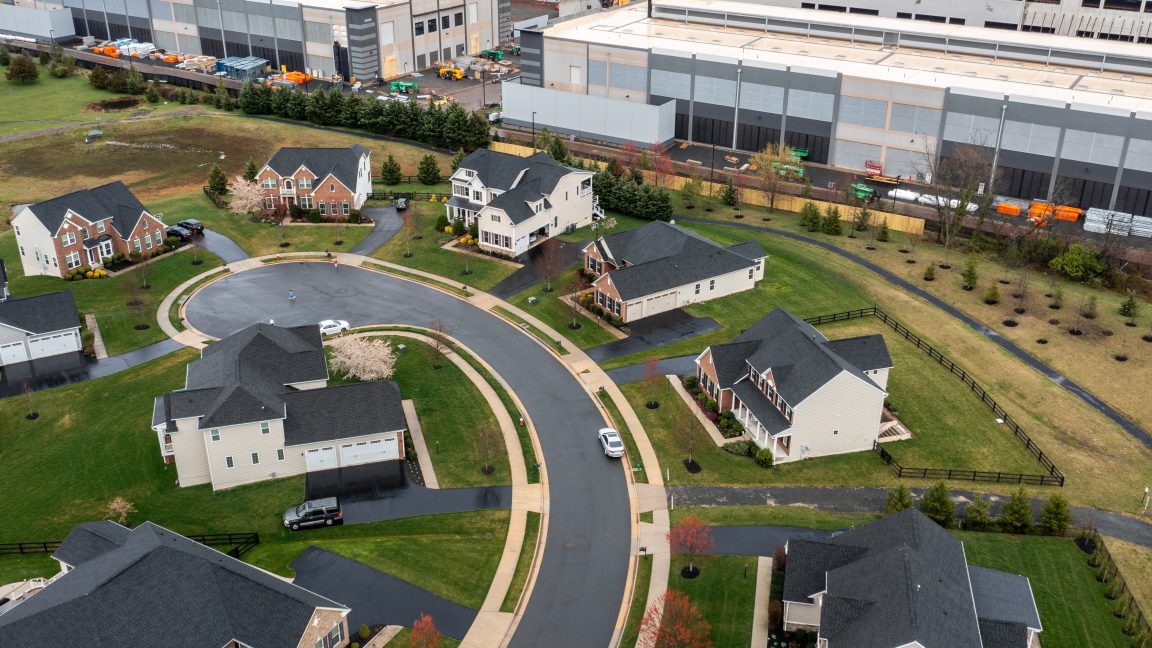
The fight over EPA data center permits could soon move further into state hands. WIRED reports that the Trump administration is considering a rule change that would let states decide how the public takes part in permitting for some new sources of air pollution, including gas plants and diesel generators used to power data centers.
The Environmental Protection Agency held a public hearing Wednesday on the proposal, according to WIRED. The change could affect how much notice nearby residents receive before certain polluting facilities are built or expanded in their communities.
The proposal comes as data center projects face growing resistance in parts of the United States, WIRED reports. Some communities have used air-permit proceedings to question or slow projects tied to the rapid buildout of artificial intelligence infrastructure.
How would the EPA rule affect data center permits?
Under the Clean Air Act, companies that build facilities releasing air pollution must obtain permits. Larger polluters go through a “major” permit process with federal and state review, while smaller sources fall under “minor” permitting with less oversight, according to WIRED.
Minor-source permits can cover a wide range of operations, from dry cleaners and auto body shops to diesel and gas engines, WIRED reports. Those engines are increasingly relevant to data centers because some operators use behind-the-meter gas plants or backup generators to meet power demand.
EPA rules currently require some public participation for minor-source permits, though state procedures differ widely. Congress set more specific public steps for major sources, including public hearings, according to WIRED.
An EPA spokesperson told WIRED that, if finalized, the proposal would put state and local agencies in charge of deciding whether, when and how long to offer public participation for proposed new minor sources and modifications. The spokesperson said the proposal would not change emissions standards.
Vanessa Lynch, a Pennsylvania organizer with Moms Clean Air Force, told the EPA hearing that her work in communities with data centers has shown that residents want a role in decisions affecting them, according to WIRED.
Why states would matter more
Keri Powell, an Atlanta-based attorney with the Southern Environmental Law Center, told WIRED that Georgia’s public notice system has allowed legal and community groups to track projects through air-permit filings. Her group recently alerted the state utility regulator to construction issues at a data center based on information from public air-permit applications, WIRED reports.
Powell said she is worried that removing the federal requirement could leave groups with little or no advance notice of projects in states such as Georgia. Sara Lips, communications director for Georgia’s Environmental Protection Division, told WIRED the agency is reviewing whether the federal proposal would affect state public participation rules.
Kentucky also has stronger public participation rules for minor-source permits, according to WIRED. Byron Gary, a senior attorney at the Kentucky Resources Council, told WIRED that state agencies have informally indicated they would keep those rules even if EPA changes its approach, though a future administration could revisit them.
Texas shows what a lower-notice system can look like, WIRED reports. The data center expansion there has helped drive private gas-plant construction, and some communities have been surprised by the amount of fossil-fuel infrastructure being installed near homes.
The Trump administration has supported faster AI and data center development, and an EPA spokesperson told WIRED the agency is working to help make the United States “the AI capital of the world.” Powell told WIRED she views the timing of the permit proposal as part of a broader push to make data center construction easier.
This story draws on original reporting from Ars Technica.