
Connected-car features are expiring before the vehicles do
Automakers can retire remote start, crash alerts and apps when networks or backend systems age out, leaving owners with refunds, upgrades or no fix.
By Hana Yoshida · Markets Reporter
4 min read
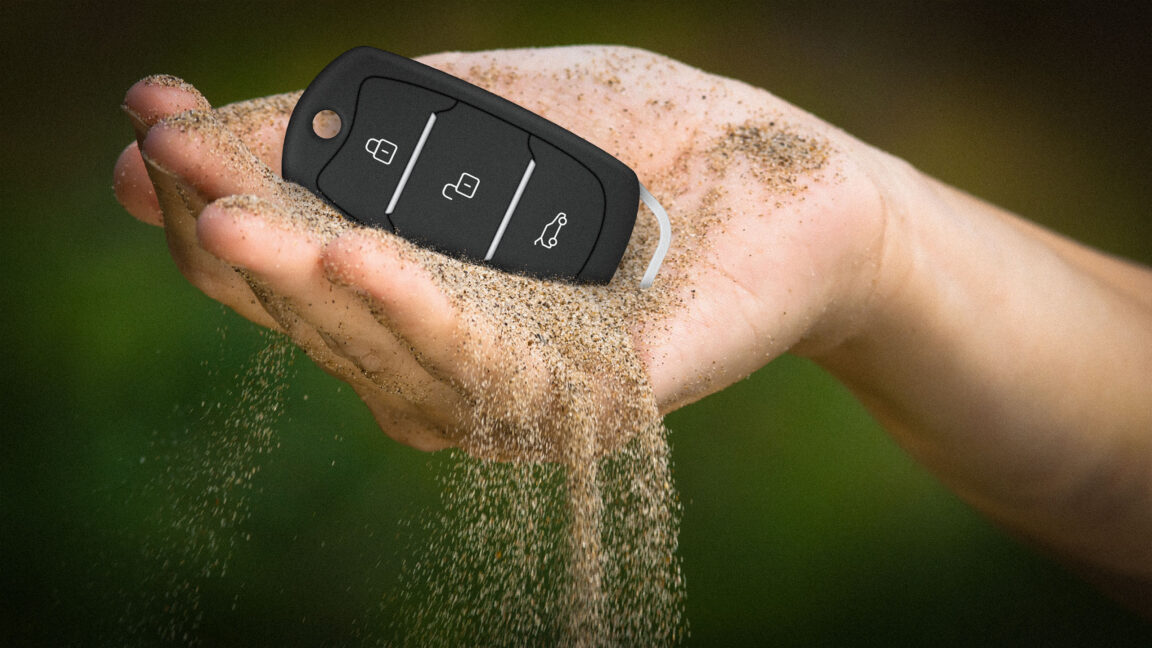
Cloud-backed vehicle services are aging out while many of the cars that depend on them remain on the road. Ars Technica reported that app-based locks, remote start, cabin preconditioning, location tools and emergency calling can disappear when cellular networks, vehicle hardware or automaker servers reach the end of support.
The problem matters because connected services have moved from luxury add-ons to routine features across major brands. According to Ars Technica, automakers now sell systems such as GM’s OnStar, HondaLink, Lexus Enform, FordPass, BMW ConnectedDrive, Volvo On Call and Porsche Connect, often with an initial trial followed by a paid subscription.
Why the services end
Ars Technica reported that connected-car systems rely on a telematics control unit, cellular modem, SIM or eSIM, antennas and onboard computers that communicate with vehicle control modules. Those systems also depend on outside cellular networks and automaker-run backend platforms.
When any part of that chain becomes too old or too costly to maintain, service can stop, Ars Technica reported. The clearest recent trigger was the 2022 shutdown of 3G networks by U.S. carriers including AT&T, T-Mobile/Sprint and Verizon, which cut off connected features in some vehicles from Porsche, Nissan, Volkswagen and other brands.
Lexus was one of the affected brands, according to Ars Technica. Its Enform system in many 2010 through 2017 models used 3G hardware that could not move to newer networks, and Lexus refunded unused paid service time after the system went offline.
Network obsolescence is not the only cause. Ars Technica reported that Acura ended support for older AcuraLink services in many 2014 through 2022 vehicles, removing app-based access, reminders, lock and unlock functions, vehicle location features and emergency calling even though some affected vehicles had 4G hardware.
BMW also ended ConnectedDrive and BMW Assist for vehicles with 3G telematics in early 2022, according to Ars Technica. Some owners received other complimentary services or no-cost upgrades where 4G-capable hardware made that possible, while many vehicles lost connected service.
What owners can do
Ars Technica reported that losing cloud services usually does not stop a vehicle from driving. Core mechanical systems, climate controls and accessories continue to operate, but remote conveniences and some safety services can go away.
Some vehicles can be kept online through software. Ars Technica reported that certain 2017 through 2019 Genesis G80 and G90 models could receive software upgrades, Honda offered many customers free over-the-air upgrades before AT&T’s cutoff, and GM offered over-the-air updates that preserved core OnStar functions for Buick, Cadillac, Chevrolet and GMC owners.
Other fixes require hardware. According to Ars Technica, many 2016 through 2018 Subaru models using Starlink Safety & Security needed a 4G data communication module, while Nissan offered a subsidized $199 telematics upgrade for many 2011 through 2014 Leaf models and a free upgrade for 2015 Leaf owners.
Some BMW i3 owners found their own route after BMW said no official upgrade was available, Ars Technica reported. They bought newer 4G telematics units and paid to have them coded, with costs rising above $1,400 per vehicle.
Aftermarket telematics devices can restore only part of what factory systems provide, according to Ars Technica. Many plug into the OBD port and can support trip logs, GPS tracking, driving scoring and diagnostic codes, but they generally cannot replace automaker-controlled functions such as remote starting, crash notification or SOS calls.
A bigger issue ahead
Smartphones can cover some gaps, Ars Technica reported, especially through Apple CarPlay, Android Auto, crash detection, SOS tools and mobile hotspots. They usually do not replace factory remote lock, remote start or preconditioning features.
The issue is likely to grow as more new vehicles connect to the Internet. Ars Technica reported that about half of vehicles on the road use connected technology today, while industry experts expect 90% to 95% of new vehicles to be Internet-connected by 2030.
Ars Technica reported that one possible answer is a more modular, software-defined vehicle design that would let owners replace connectivity hardware and update software as networks change. Without that kind of path, more drivers may find that a working car has outlived the cloud service it was sold with.
This story draws on original reporting from Ars Technica.