
Chinese AI labs tout open models as rivals to US leaders
Moonshot AI and Alibaba say their new models challenge OpenAI and Anthropic while offering more public access.
By James Whitfield · Staff Writer
2 min read
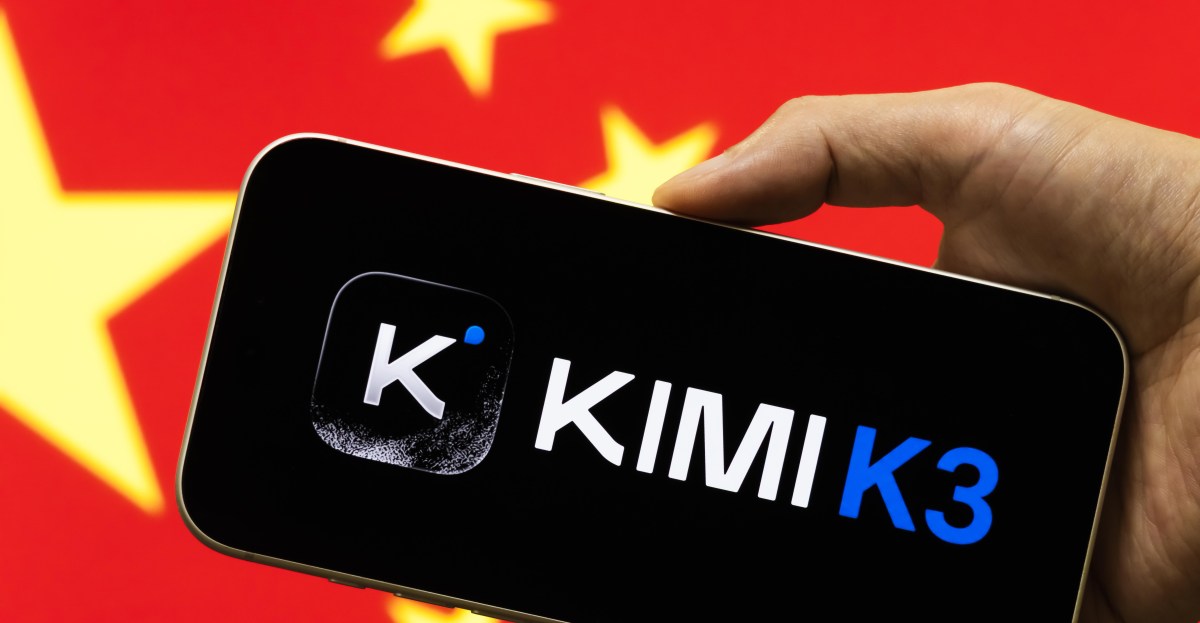
Moonshot AI and Alibaba have each announced new AI models that they say compete with top systems from OpenAI and Anthropic. The back-to-back releases matter because both Chinese companies are pairing performance claims with wider public access, a contrast with the closed model strategy used by some leading US labs.
Moonshot, a Beijing-based AI developer, introduced Kimi K3 on Friday, according to a company announcement. In a blog post, Moonshot said its own tests placed Kimi K3 ahead of nearly every US system it compared against, while still trailing OpenAI’s GPT-5.6 Sol and Anthropic’s Claude Fable 5 overall.
Moonshot also said Kimi K3 performed better than those systems on some benchmarks. The company described the model as the world’s largest open-source AI system and said it has 2.8 trillion parameters.
Parameter counts are commonly used as a rough measure of a model’s size and complexity, The Verge reported. The Verge noted that a higher count does not automatically mean better performance.
Alibaba follows with Qwen preview
Alibaba followed over the weekend with a preview of Qwen3.8, according to a post from its Qwen team. Alibaba called the model one of the strongest available and said it ranked behind only Claude Fable 5, Anthropic’s flagship model.
The two launches came within days of each other, putting fresh attention on how close Chinese developers say they are to the leading US AI labs. The Verge reported that the timing is significant because advanced AI has become tied to national security, economic competition and geopolitical influence.
Open access as a selling point
Moonshot and Alibaba are making their models publicly available, The Verge reported. That differs from companies that keep their strongest models behind more restrictive systems, including OpenAI and Anthropic, according to The Verge.
Meta is a notable US exception, The Verge reported, because it has released models that developers can download, modify and build on. The Verge said this open model strategy has become a clearer point of distinction for China’s AI industry.
The performance rankings cited by Moonshot and Alibaba are company claims. Moonshot said its results came from its own testing, while Alibaba’s preview offered its own assessment of Qwen3.8’s place among leading models.
This story draws on original reporting from The Verge.