
Blomkamp debuts AI-generated short made with Seedance 2.0
The 13-minute Nightborne was produced through Barley Studios and uses actor likenesses in video generated with ByteDance’s text-to-video model.
By Hana Yoshida · Markets Reporter
3 min read
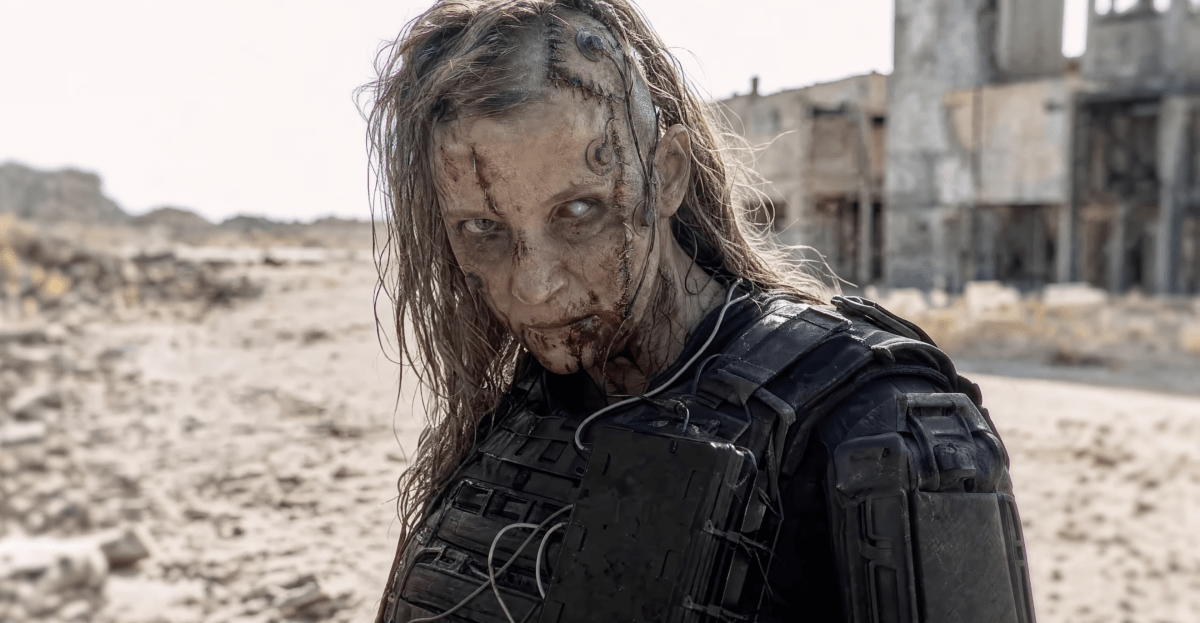
Neill Blomkamp has released a 13-minute sci-fi short, Nightborne, made entirely with ByteDance’s Seedance 2.0 text-to-video generator. The project matters because the District 9 and Gran Turismo director is presenting it as a step toward longer AI-generated filmmaking.
According to The Verge, Nightborne comes from Barley Studios, Blomkamp’s new AI startup and production company. The short is loosely based on Peter Watts’ 2014 novel Echopraxia and uses characters whose faces and voices are modeled on human actors, The Verge reported.
Blomkamp described the project in a post on X as a “test start” meant to show what generative AI can do. He also wrote that he wants “to tackle a full feature in this format” at some point, according to The Verge.
What the short depicts
The Verge described Nightborne as set during a military conflict between the United States and Syria. Its story follows an American pilot who is badly injured after her helicopter is shot down, leaving her body severely damaged while her head remains intact.
That condition makes the pilot a candidate for Project Nightborne, a government program in the short that turns brain-dead soldiers into remote-controlled, weaponized zombies, according to The Verge. The story also shows other uniformed bodies being trained secretly for combat.
The Verge reported that the short is structured from brief AI-generated clips cut together with documentary-style interview segments about Project Nightborne. The outlet said the editing, credited to Austyn Daines, helps work around Seedance 2.0’s limit of producing only a few seconds of footage at a time.
Human input and AI limits
According to The Verge, Blomkamp said “real concept artists” worked on the project and 32 human actors agreed to let their likenesses appear on screen. The outlet also reported that all shots in the film were generated with Seedance 2.0.
The Verge’s Charles Pulliam-Moore wrote that the short still shows common weaknesses of generative video, including background signs with nonsensical text and line readings with unnatural emphasis. The outlet said the project’s dialogue mix comes close to sounding like real speech but does not fully get there.
The Verge compared Nightborne with other Seedance 2.0 projects, including Jia Zhangke’s Jia Zhangke’s Dance and Ruairí Robinson’s viral AI video showing Tom Cruise and Brad Pitt fighting. The outlet said those projects show that experienced filmmakers can hide some technical limits of generative video, but cannot remove them.
Reaction to Nightborne was negative soon after its announcement, according to Yahoo Entertainment, which reported that some viewers treated it as a sign of Blomkamp’s decline. The Verge also compared the response with criticism of Darren Aronofsky’s AI series about the Revolutionary War, which Deadline had covered earlier.
The Verge noted that Nightborne has only a loose connection to Echopraxia beyond its zombie premise. Pulliam-Moore also argued that the short’s most notable element may be its resemblance, in story terms, to debates around generative AI: powerful institutions using bodies and labor without direct consent.
This story draws on original reporting from The Verge.