
Apple accuses OpenAI of seeking hardware secrets from ex-employees
Apple says former staff at OpenAI improperly pursued confidential hardware information as the AI company builds consumer devices.
By James Whitfield · Staff Writer
3 min read
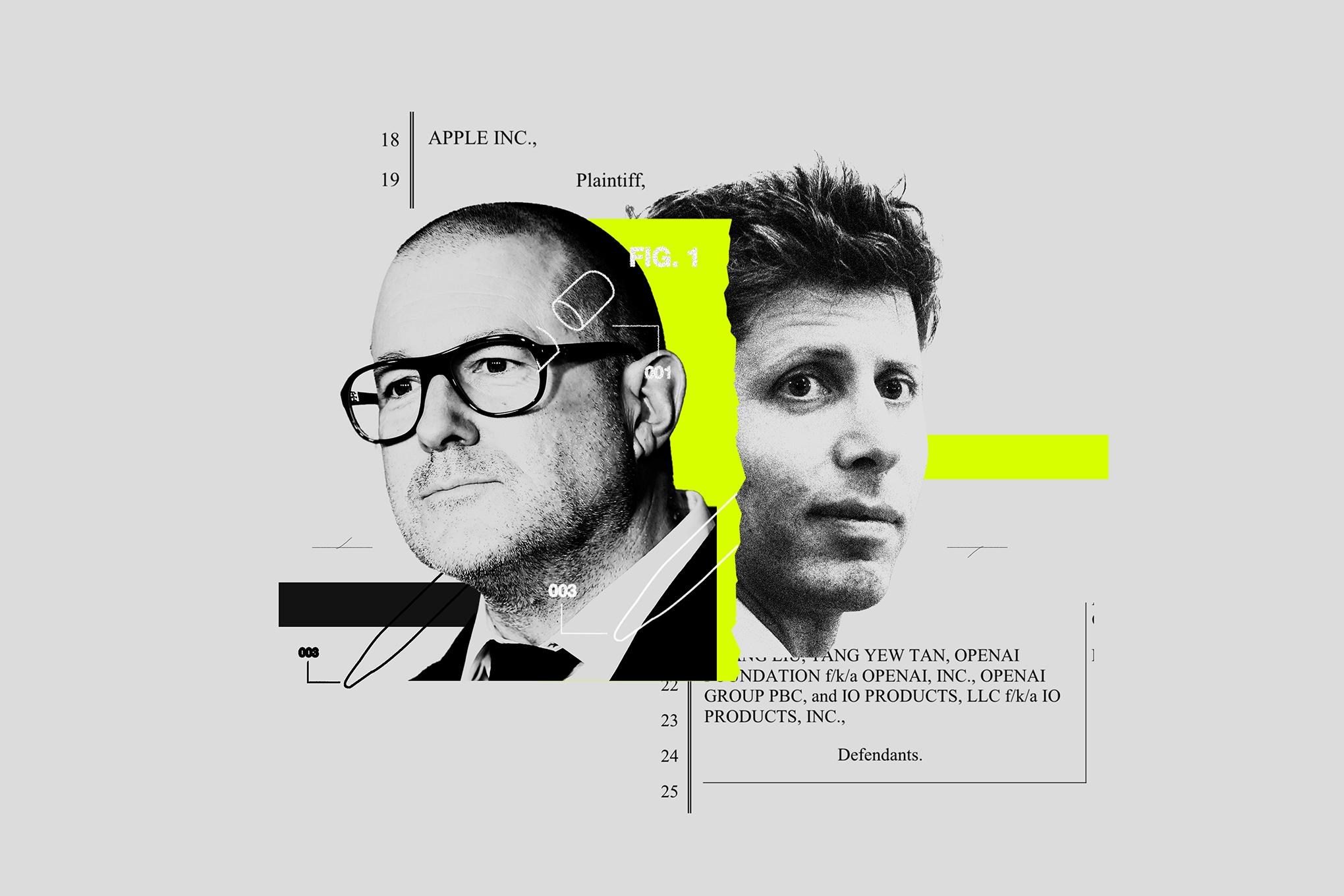
Apple has filed a trade secrets lawsuit accusing OpenAI and former Apple employees of improperly seeking confidential information tied to hardware development. The dispute matters because OpenAI is trying to move beyond software and build consumer devices, a field Apple has dominated for years.
Apple alleges that ex-employees who joined OpenAI targeted Apple trade secrets during recruiting and downloaded files from Apple servers related to hardware manufacturing, according to The Verge. OpenAI denies the allegations, and The Verge reported that the company had not yet filed its legal response.
The case centers on OpenAI’s push into hardware after its $6.5 billion acquisition in 2025 of io Products, the AI hardware startup founded by former Apple design chief Jony Ive, The Verge reported. OpenAI brought in several former Apple employees as it prepared to develop new devices.
Apple points to interview conduct
Apple claims in its lawsuit that Tang Tan, a former Apple executive who later became OpenAI’s chief hardware officer, played a central role in gathering confidential information, The Verge senior AI reporter Hayden Field said on Decoder. Tan worked at Apple for 24 years and had been a vice president for Apple Watch before leaving in 2024 for io Products, according to Field.
Field said Apple alleges Tan asked job candidates about secret Apple projects, including code-named efforts. Apple also alleges that candidates may have felt able to discuss restricted information because Tan already knew project names or details, Field said.
Apple further alleges that a former employee asked candidates to bring batteries or other hardware outside Apple’s offices for interview discussions, according to Field. The lawsuit also describes alleged access to confidential Apple information from a device, Field said.
Ive is not named in the lawsuit, according to The Verge. Field said the allegations focus more directly on Tan and other former Apple staff involved in OpenAI’s hardware work.
Lawyers see a long fight
Field said lawyers who specialize in intellectual property and trade secrets told her the allegations are serious, though the types of conduct described are familiar in trade secret disputes. What stands out, those lawyers told Field, is the number of alleged acts gathered into one case involving two major technology companies.
Apple has a long history of pursuing intellectual property fights against major tech rivals, including Microsoft over the look and feel of Windows and Samsung over smartphone patents, The Verge noted. Those battles stretched for years and involved companies large enough to absorb the cost and distraction.
Field said lawyers she interviewed expect the OpenAI case could also become a drawn-out, years-long fight. She said a settlement remains possible if OpenAI pays enough and Apple accepts, but she also noted that OpenAI faces financial pressure as it burns cash and prepares for an IPO.
The lawsuit lands as OpenAI balances enterprise, coding and consumer ambitions, according to Field. The company has recently focused on revenue-driving areas such as enterprise and coding, she said, while still pursuing hardware after spending heavily on the io Products deal.
Field said OpenAI’s hardware plans appear aimed at avoiding the fate of earlier AI gadgets that failed to win broad consumer adoption. The Verge reported that OpenAI is working on multiple hardware devices, with a screenless smart speaker expected to be first.
This story draws on original reporting from The Verge.