
Tech Challenge Kenya expands hands-on engineering education
The Tech Interactive says nearly 1,500 Kenyan students tested storm-ready shelter designs in a growing STEAM education program.
By Priya Raghavan · Science Reporter
3 min read
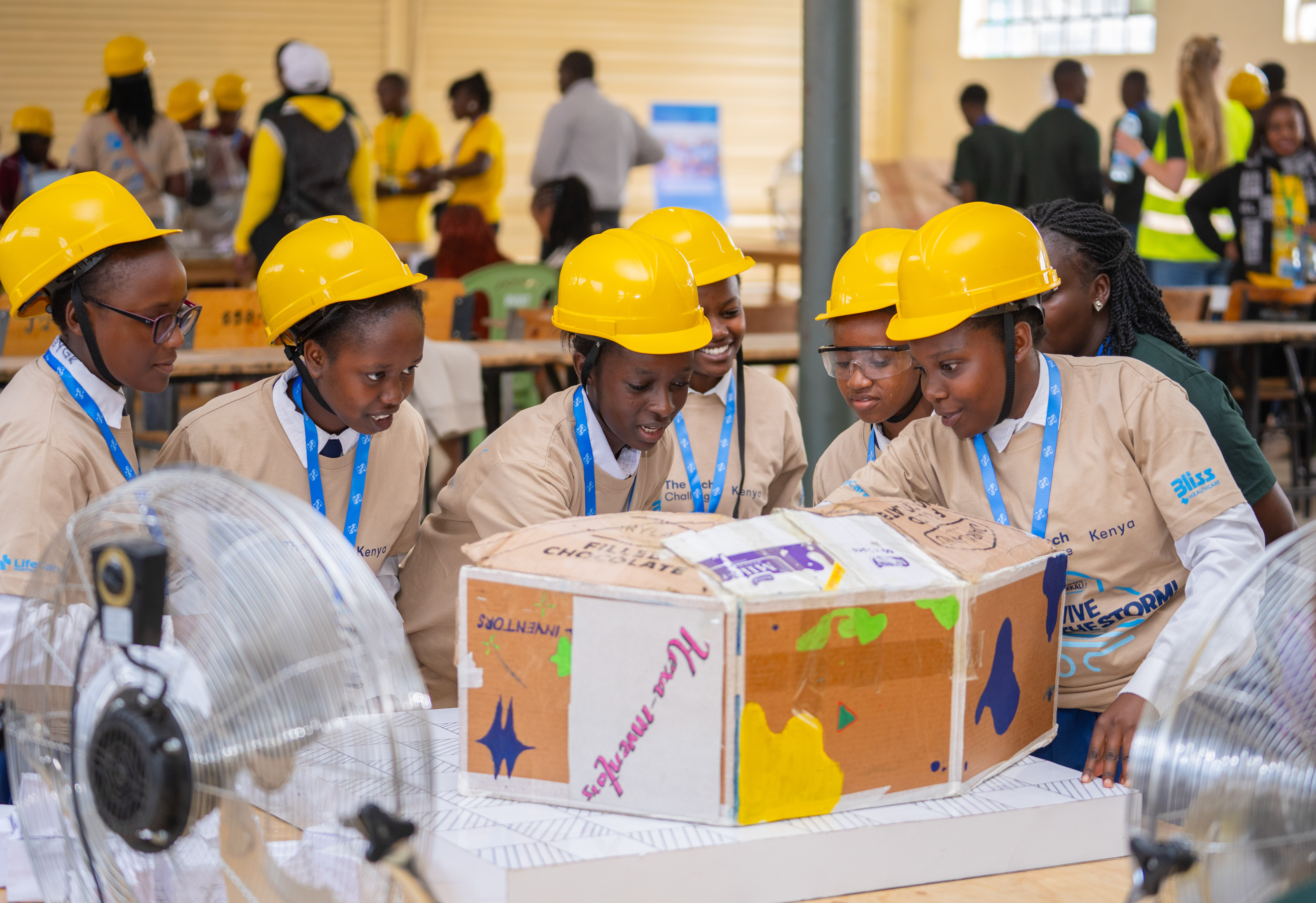
The Tech Interactive is expanding Tech Challenge Kenya, a hands-on engineering program that puts students through real design tests rather than classroom-only STEM lessons. The San Jose science center says nearly 1,500 students recently tested storm-ready shelter concepts in Kisumu and Nakuru counties, part of a Kenya program that has reached more than 568,000 learners to date.
The July showcases involved 1,451 students on 247 teams. Students designed collapsible shelters for “The Tech Challenge: Survive the Storm,” known in Swahili as “Epuka Upepo Mkali,” then tested them against simulated extreme weather.
The program sits in STEAM education, which combines science, technology, engineering, arts and math through practical problem solving. In this model, students build, test, revise and explain their work, with emphasis on collaboration and process as much as the finished device.
What is Tech Challenge Kenya?
Tech Challenge Kenya is an adaptation of The Tech Interactive’s engineering design challenge model, developed with Kenyan educators. The program uses local teacher partnerships and a train-the-trainer structure so educators can bring design challenge learning into their own schools and communities.
Through its Design Challenge Learning Teacher Trainer Program in Kenya, The Tech Interactive says it has trained nearly 20,000 educators over three years. The Association of Science and Technology Centers gave the program its Roy L. Shafer Leading Edge Award in 2025, recognizing rapid expansion of hands-on, design-based STEM learning with educators and communities across Kenya.
Shital Patel, director of global partnerships at The Tech Interactive, said the challenge is intended to help students learn from failure and try again. She said Kenyan students are applying creativity and persistence to problems tied to the future.
How the shelter challenge worked
This year’s challenge asked students from Grade 4 through Form 4 to build portable shelters that could protect vulnerable structures, represented by stacked paper cubes. Two high-powered fans simulated extreme weather during testing.
Each shelter had to fit inside a standard shopping bag. At the showcases, teams unpacked, deployed and assembled their designs inside a timed testing window before seeing how the shelters performed.
The work was structured around Kenya’s Competency-Based Curriculum, with students expected to collaborate, communicate, think critically and develop practical responses to real-world problems. The storm theme gave students a concrete way to study engineering and preparedness as communities face more questions about resilience and severe weather.
Before the county events, local field staff visited schools with mobile testing equipment. Those visits gave teams time to prototype, test and improve their shelters before the public showcases.
Where the 2026 showcases took place
The first showcase was held July 11, 2026, at Maseno University in Kisumu County, with 729 students on 124 teams. The second was held July 18 at Rift Valley National Polytechnic University in Nakuru County, with 722 students on 123 teams.
Teams were evaluated in three main areas: device testing, team interviews and engineering journals. Judges tested the shelters, talked with students about their design choices and reviewed written records showing how each project developed from concept through testing and refinement.
The 2026 events also used a personalized recognition system instead of a conventional medal format. Students received T-shirts and lanyards displaying badges across eight areas of excellence, including device design, teamwork and engineering journals.
Local teacher Kenneth Odhiambo Origah described the event as a celebration of creativity, resilience and engineering. Patel said the student work showed problem solving that went beyond classroom physics.
The broader Tech Challenge Kenya hands-on engineering program reflects a wider push by science centers and schools to make STEM learning more active and locally relevant. For students, the design test turns engineering into a visible process: build an idea, test it under pressure, explain the choices and improve it.