
Northern Eurasia carbon sink is driven more by forest productivity than warming
A new study finds Northern Eurasia absorbs about 0.47 billion tonnes of carbon a year, with productive forests doing most of the work.
By Priya Raghavan · Science Reporter
3 min read
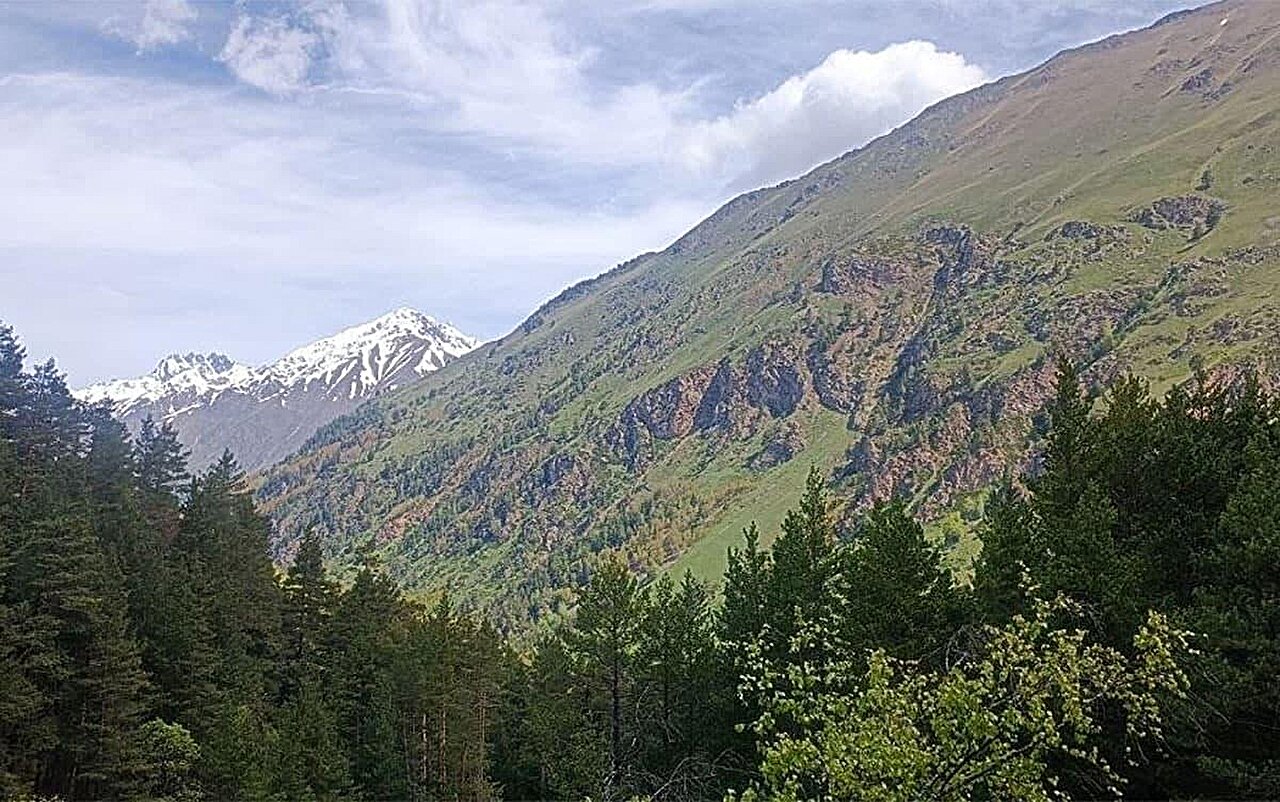
Forest productivity appears to shape the Northern Eurasia carbon sink more than fast warming, according to a study described by the University of Tsukuba. The finding matters because the region holds about 20% of the world’s forests and absorbs a substantial amount of carbon dioxide from the atmosphere.
The study, published in Global Biogeochemical Cycles, examined how climate and climate change affect carbon uptake across Northern Eurasia. The research team used several independent lines of evidence, including satellite observations, data-driven products, atmospheric inversion models, dynamic global vegetation models and Earth system models.
Despite differences among those data sources, the study found broad agreement on the region’s overall role in the carbon cycle. Northern Eurasian ecosystems absorb about 0.47 ± 0.20 billion tonnes of carbon each year, equal to nearly one-third of the global terrestrial carbon sink, according to the study.
What is the Northern Eurasia carbon sink?
A carbon sink is a system that takes in more carbon than it releases. In Northern Eurasia, forests and other ecosystems remove carbon dioxide from the air through plant growth and store part of that carbon in vegetation and soils.
The region is difficult to assess because several forces affect its carbon balance at the same time, the University of Tsukuba said. Those include climate change, wildfires, land-use change and the limited reach of direct observations across a vast area.
Where are the strongest carbon sinks?
The study found that the most powerful carbon sinks are not concentrated in the coldest areas that are warming fastest. Instead, the strongest uptake occurs in the western and southern parts of Northern Eurasia, while the sink weakens toward colder northeastern regions.
That pattern challenges the common assumption that faster warming will strengthen carbon sinks in cold regions, according to the University of Tsukuba. Although large, cold parts of Northern Eurasia are seeing some of the fastest warming on Earth, their forests tend to be less productive and more exposed to disturbances such as wildfires.
The timing of warming also matters. Much of the temperature increase occurs in winter, when frozen soils restrict carbon uptake, so these areas add relatively little to the strengthening of the regional sink, the study found.
Why forest productivity matters
The researchers point to differences in forest productivity, sometimes called site quality or “bonitet,” as a key reason for the uneven carbon sink. More productive forests with larger carbon stocks contribute a larger share of the region’s carbon uptake.
Less productive forests show only limited gains even where warming is fast, according to the study. That means temperature change alone does not determine how much carbon Northern Eurasia can absorb.
The findings suggest that future changes in the region’s carbon sink will depend heavily on the condition and productivity of forests, as well as climate pressures and disturbances. The study identifies forest productivity as a central factor in how Northern Eurasia may respond as warming continues.
The paper is listed as I. Melnikova et al., “Land Carbon Sink Distribution in Northern Eurasia Is Driven by Climate Change,” in Global Biogeochemical Cycles.
This story draws on original reporting from Phys.org.