
Cox Automotive cuts 2026 used-car price forecast after Q3 decline
Cox Automotive said wholesale used-vehicle values fell 1.95% in Q3 as fuel-efficient models gained while large trucks and SUVs weakened.
By Maya Lindqvist · Senior Technology Correspondent
3 min read
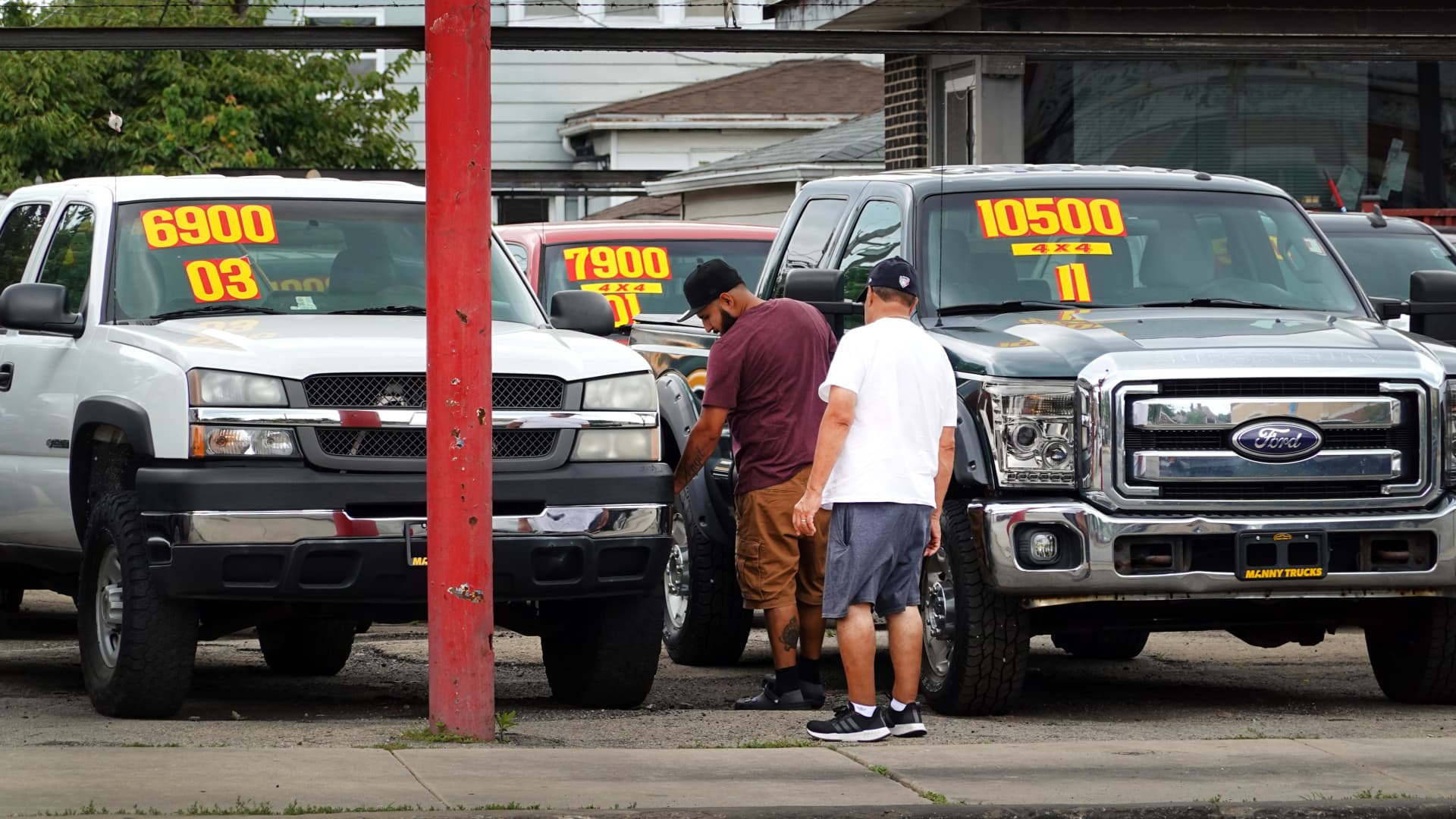
Used car prices Q3 2026 data show wholesale values weakening even as overall demand held up. Cox Automotive said its Manheim Used Vehicle Value Index fell 1.95% from July through September and cut its forecast for the index’s full-year increase to about 0.2%, from 2% projected in July.
The change matters as an early signal for the used-car market, but it does not establish that retail prices will fall by the same amount or on the same timetable. The Manheim index tracks vehicles sold through Manheim’s U.S. wholesale auctions, rather than consumer retail transactions; retail prices have traditionally followed wholesale costs, according to Cox.
Why did used car prices fall in Q3 2026?
Cox attributed the faster third-quarter depreciation to higher fuel costs, rising interest rates and wider economic pressure. It also said the absence of an Atlantic hurricane in September may have removed the usual post-storm boost to vehicle demand, contributing to a sharper-than-normal seasonal decline.
In September, the mix-, mileage- and seasonally adjusted index stood at 205.9, down 0.6% from a year earlier and 1.1% from August, Cox said. Prices without those adjustments fell 1.2% year over year and 1.3% month over month.
The company’s revised year-end projection would leave the index below its 0.4% gain in 2025 and its long-term average annual rise of 2.3%. Cox characterized demand for used vehicles as resilient despite the decline in wholesale values.
Which used vehicles gained and lost value?
Demand shifted toward vehicles that use less fuel, Cox said. The company reported that electric-vehicle days’ supply declined and EV values rose as high gasoline prices supported fuel-efficient models. Large pickups and SUVs, by contrast, saw demand and values fall, while older and more affordable vehicles depreciated less because their demand remained relatively strong.
Diesel vehicles made up just over 3% of wholesale inventory, Cox said, but their days’ supply climbed to 39 days, 27% above a year earlier, as diesel prices reached record levels.
EV activity increased at wholesale auctions. Cox said Manheim wholesale EV sales rose 22% from the second quarter and 45% from a year earlier, bringing EVs to a record 4.9% of Manheim transactions, up from 3.9% in the prior quarter.
At retail, used EV sales totaled about 124,000 vehicles in the third quarter, up 11.4% from a year earlier and the highest level on record, according to Cox. They still represented only about 2.8% of all used retail sales.
What does the wholesale decline mean for car shoppers?
A lower Manheim reading is evidence of softer auction values, not a guarantee of an immediate matching reduction at a dealership. Shoppers may see the strongest market differences across vehicle types, based on Cox’s account: fuel-efficient vehicles and EVs gained support in the quarter, while large trucks and SUVs weakened.
Cox nevertheless raised its 2026 forecast for total used-vehicle sales to 38.5 million, from 38.4 million, a level it said would be essentially unchanged from 2025. Its retail used-sales forecast increased to 20.5 million from 20.4 million.
Readers can review Cox Automotive’s third-quarter Manheim index release for the underlying wholesale-market data.
This story draws on original reporting from CNBC.