
What is pneumonic plague and how does it spread?
Pneumonic plague is a severe bacterial lung infection that can spread through close respiratory contact but is treatable with prompt antibiotics.
By James Whitfield · Staff Writer
2 min read
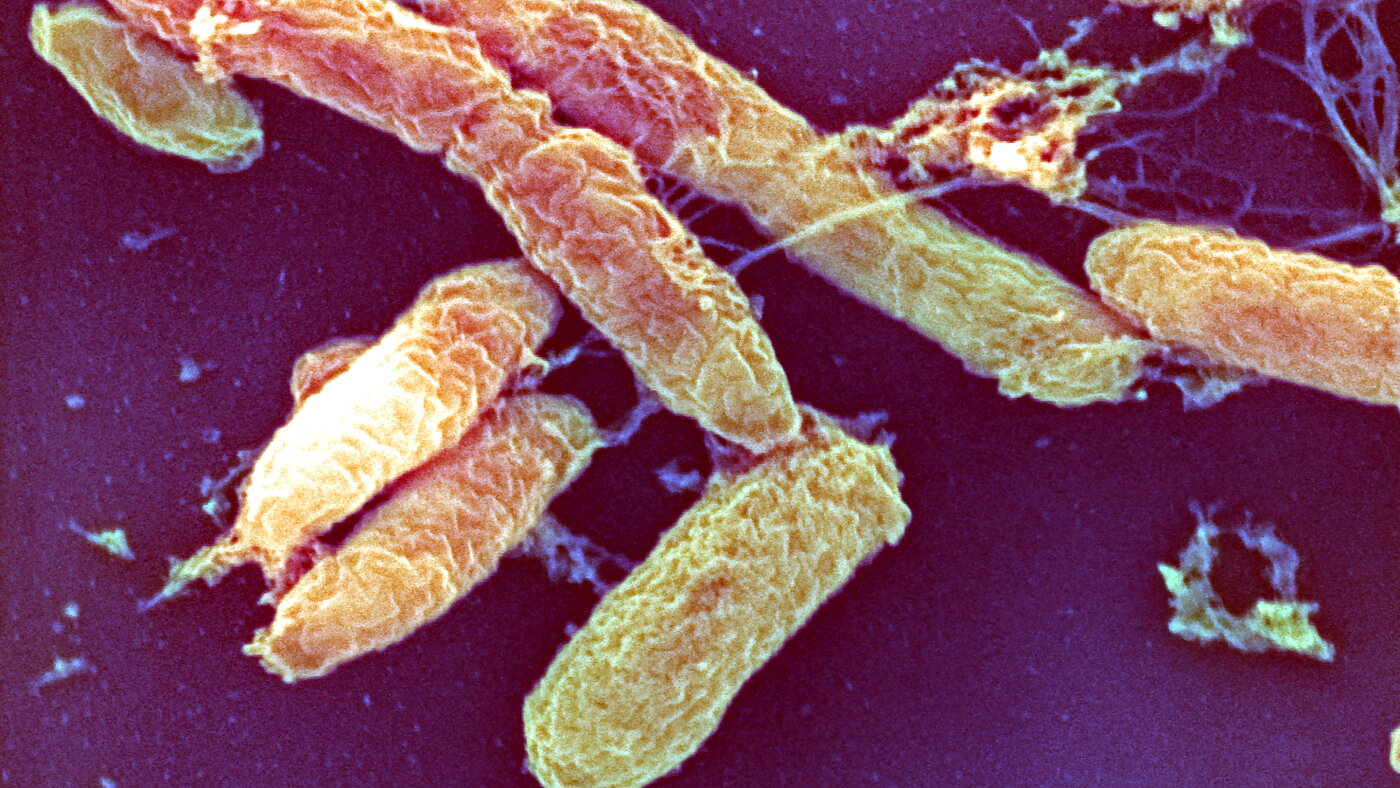
Pneumonic plague is a severe infection of the lungs caused by the bacterium Yersinia pestis. It can pass between people through respiratory droplets during close contact, and it needs rapid antibiotic treatment because it can quickly become fatal if untreated, according to the Washington State Department of Health.
The illness has drawn attention after the death of a worker at a plague research laboratory in Siberia. But health officials have not confirmed that she had plague, and the World Health Organization has sought more information from Russian authorities, according to NBC News and NPR.
What is pneumonic plague?
Plague can affect different parts of the body. Pneumonic plague occurs when Y. pestis reaches the lungs, either after the bacteria are inhaled or after another form of plague spreads there, public-health guidance says.
The other principal forms are bubonic plague, which affects the lymph nodes and often follows an infected flea bite or exposure through broken skin, and septicemic plague, in which the bacteria multiply in the bloodstream. Bubonic plague can progress to lung infection, but that does not occur in every case.
- Bubonic plague: swollen, painful lymph nodes are a common sign.
- Septicemic plague: infection in the bloodstream.
- Pneumonic plague: infection in the lungs that can be transmitted directly from person to person.
How does pneumonic plague spread?
An infected person can spread pneumonic plague by coughing or sneezing droplets that another person inhales. Infected animals can also spread it through respiratory droplets, CNN reported.
Transmission is associated with close, face-to-face contact rather than distant spread across a room, experts told NBC News. That direct respiratory route distinguishes pneumonic plague from the more common bubonic form, which is generally linked to infected fleas or animal exposure.
What are the symptoms and is it treatable?
Pneumonic plague can cause rapidly worsening pneumonia, fever, headache, weakness, breathing difficulty and a bloody or watery cough, according to the Washington State Department of Health. CNN also lists chills, body aches, fatigue, nausea, vomiting and diarrhea among reported symptoms.
Early treatment with appropriate antibiotics is essential. Public-health guidance says untreated plague, particularly the pneumonic form, is almost always fatal; CNN reported that prompt antibiotic treatment gives patients the best chance of survival.
People with symptoms or a possible exposure should seek healthcare advice promptly, according to the Washington State Department of Health. In the Siberia case, Russian officials said they found no dangerous pathogens connected to the worker's infectious-disease work, while WHO said it was still seeking details needed to assess the event, NPR and NBC News reported.
This story draws on original reporting from NPR.