
Gulf system could become Atlantic’s first hurricane of 2026
AL92 could organize into a tropical cyclone within 48 hours, with flooding threats possible along the northern Gulf Coast even without hurricane strength.
By Hana Yoshida · Markets Reporter
3 min read
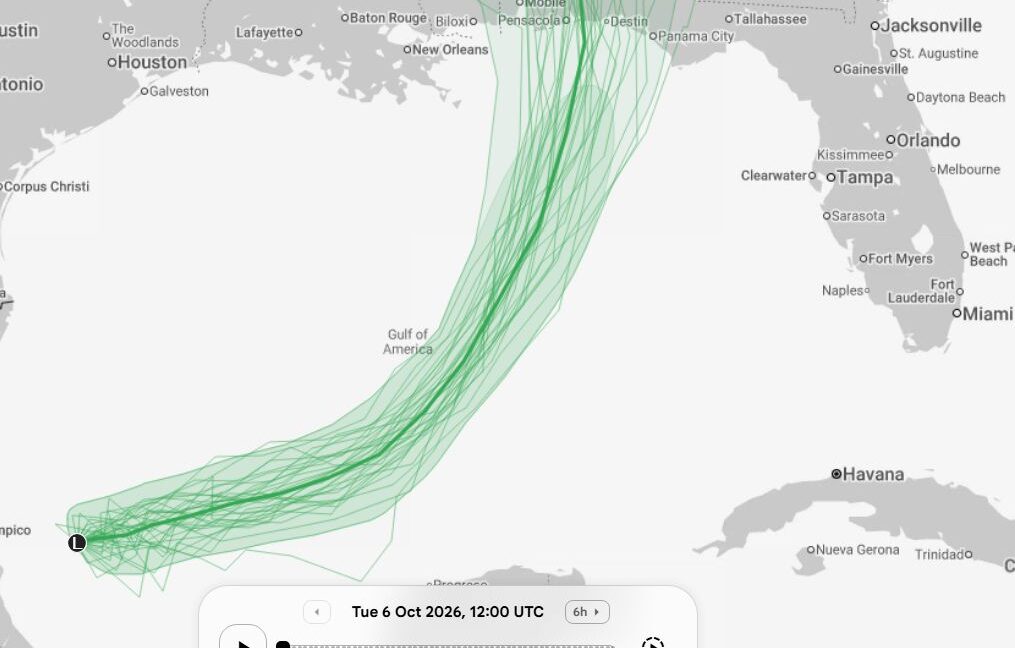
A Gulf of Mexico disturbance known as AL92 could become the Atlantic’s first hurricane of 2026, ending an unusually long hurricane-free start to the season. The system was not yet a named storm as of October 6, but the National Hurricane Center expected it to become a tropical depression within about a day and put the chance of cyclone formation at 90% within 48 hours, according to reporting by Gizmodo.
If it develops into a named storm, it would be called Isaias, according to NOAA’s 2026 storm-name list. Its eventual intensity and track remained uncertain, and residents along the northern Gulf Coast, southeastern United States and Florida faced a possible risk of heavy rain and flooding later in the week regardless of whether it reached hurricane status.
Could AL92 become the first Atlantic hurricane of 2026?
It could, but forecasters had not yet classified AL92 as even a tropical depression. Ars Technica reported that the system faced dry air and wind shear to its north, both of which can hinder development. A track staying farther south could allow it to move over central Gulf waters measured at about 28 to 30 degrees Celsius and organize more effectively.
Forecast guidance cited by Ars Technica indicated a possible path toward the coast from southeastern Louisiana to the Florida Panhandle later that week. The outlet stressed that intensity forecasts would remain highly uncertain until the system developed a well-defined circulation.
- Formation as a tropical cyclone was forecast to be likely within 48 hours, according to the National Hurricane Center.
- Hurricane intensity was possible but not established.
- Heavy rainfall and flooding could occur even if the system remained below hurricane strength.
Why has the Atlantic season been so quiet?
NOAA said its August outlook gave the Atlantic a 75% chance of a below-normal season, forecasting seven to 13 named storms and two to six hurricanes for the full June 1-November 30 season. That seasonal outlook did not predict where storms would make landfall, NOAA said.
NOAA attributed the subdued outlook in part to El Niño conditions, which tend to increase vertical wind shear over the Atlantic. Wind shear can disrupt the structure of tropical systems or prevent them from strengthening. NOAA also said seasonal activity forecasts cannot determine the risk for a particular place; shorter-term weather patterns govern potential landfalls.
The absence of an Atlantic hurricane by early October was historically unusual. Ars Technica reported that no season in the modern record, which includes aircraft reconnaissance and later continuous satellite coverage, had gone this late without its first hurricane. Gizmodo, citing the National Weather Service, said October 8, 1905, was the latest recorded date for a season’s first Atlantic hurricane.
Two older seasons, 1907 and 1914, recorded no hurricanes, but those records predate modern observation and may have missed storms over open water, according to Ars Technica and the Weather Company. For communities in the potential path of AL92, the immediate concern was rain and flooding, not whether the system ultimately met the definition of a hurricane.
This story draws on original reporting from Ars Technica.