
Trump voter list order remains blocked in 23 states
A federal appeals court kept Trump’s mail-ballot restrictions on hold in 23 states that challenged the election order.
By Hana Yoshida · Markets Reporter
2 min read
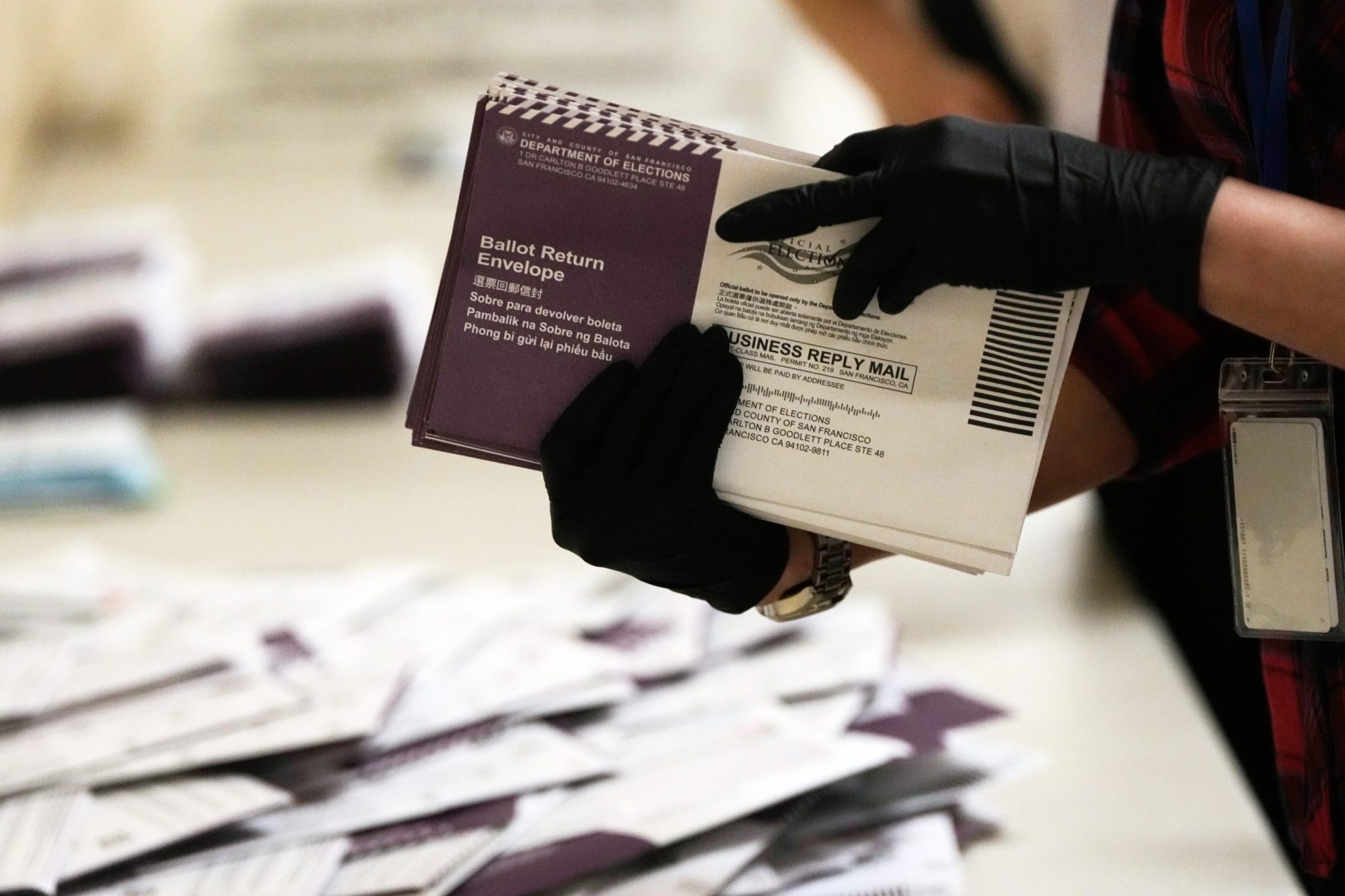
A federal appeals court has kept the Trump voter list order on hold in 23 states that sued to stop it, Fortune reported. The decision matters because it blocks, for now, a plan that would have tied mail-ballot delivery to a new federal list of eligible voters ahead of November’s midterm elections.
Judges on the 1st U.S. Circuit Court of Appeals ruled Saturday against the Trump administration’s request to let the disputed mail-in voting limits take effect in those states, according to Fortune. The order remains blocked only in the states that brought the lawsuit.
What is Trump’s voter list order?
President Donald Trump issued the executive order in March, directing the head of U.S. Citizenship and Immigration Services and the commissioner of the Social Security Administration to create what the order called a “state citizenship list” of eligible voters, Fortune reported. The order also instructed the U.S. Postal Service to deliver mail ballots only to people on that list.
Trump described the plan as a way to prevent non-U.S. citizens from voting, according to Fortune. State election officials argued the system could be misused and could disrupt election administration.
Democratic officials from 23 states and the District of Columbia sued in U.S. District Court in Boston to challenge the order. They argued that the Constitution gives authority over election rules to states and Congress, not the president, Fortune reported.
U.S. District Court Judge Indira Talwani agreed with the states and stopped the order from being used for the Nov. 3 elections in the suing states. Talwani was nominated to the federal bench by Democratic President Barack Obama.
What did the appeals court decide?
The 1st Circuit upheld Talwani’s ruling, rejecting the administration’s bid to proceed with the mail-ballot restrictions in the states that sued. The decision leaves the lower-court injunction in place while the legal fight continues.
The practical effect is that the federal government cannot implement the challenged parts of Trump’s order in those 23 states for the Nov. 3 elections, according to Fortune. The ruling does not resolve the broader constitutional dispute over the order’s legality nationwide.
The Justice Department said in an emailed statement Sunday that it is “reviewing all options” for its next legal steps. The department also said it remains confident Trump’s executive order will ultimately be upheld.
This story draws on original reporting from Fortune.