
Strait of Hormuz deal talks focus on easing ship restrictions
Diplomats are discussing a plan for Iran to oversee Hormuz ship traffic with fewer limits as U.S. strikes pause.
By Hana Yoshida · Markets Reporter
3 min read
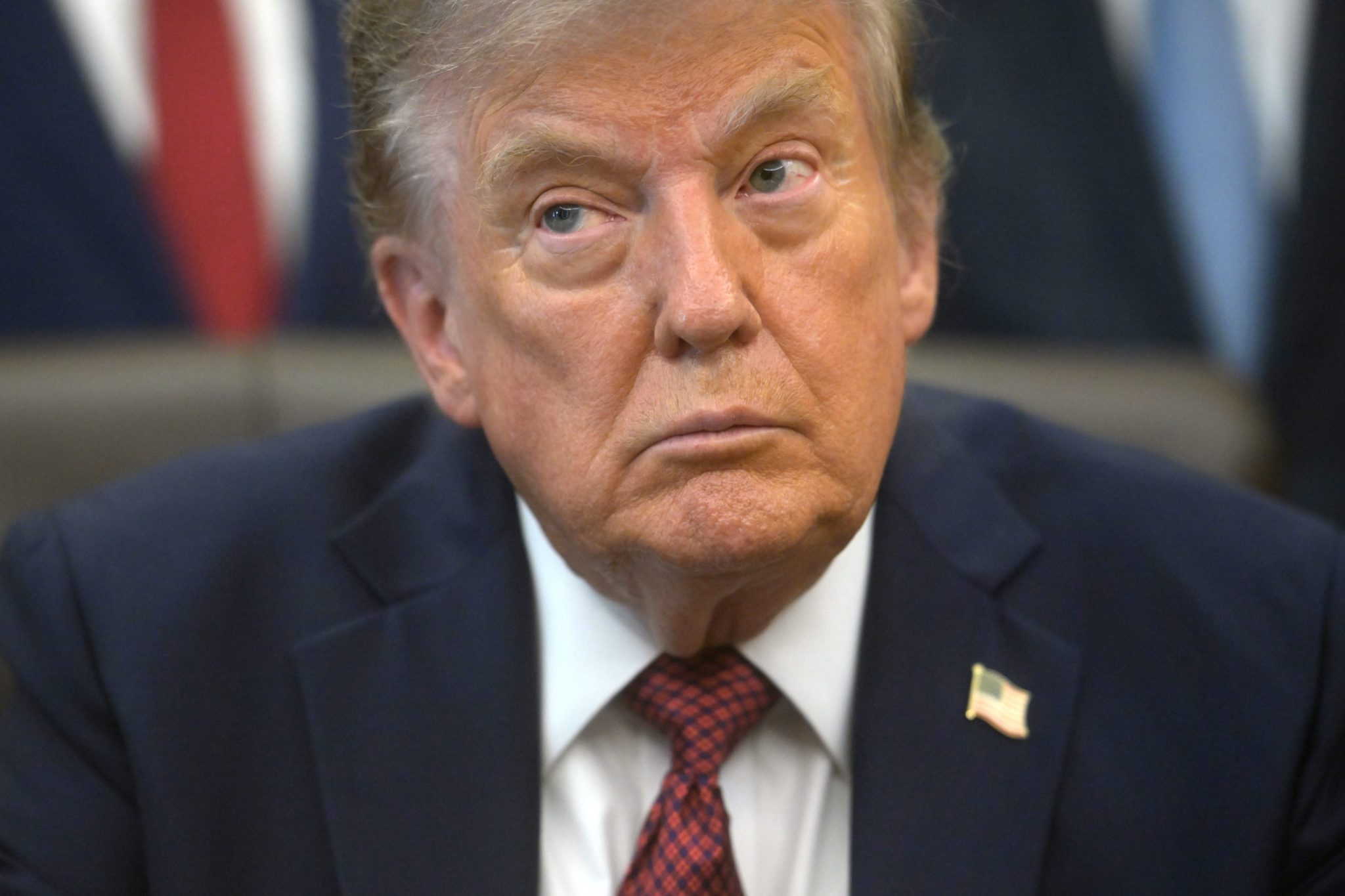
A Strait of Hormuz deal under negotiation would have Iran manage vessel traffic through the waterway with fewer limits on ships, according to a regional official involved in mediation efforts. The talks come as the U.S. military has paused airstrikes on Iran after nearly two weeks of intensified bombing, raising the chance of a return to diplomacy in a conflict tied to oil prices and regional security.
The official, who was not authorized to speak publicly, told The Associated Press that both Washington and Tehran want to restore an interim ceasefire arrangement. The official described the halt in U.S. strikes and Iranian counterstrikes against countries hosting American forces as a helpful sign for de-escalation efforts.
What is the Strait of Hormuz deal being discussed?
The proposal centers on reopening shipping through the Strait of Hormuz under Iranian-run transit procedures with fewer restrictions on vessels, according to the regional official. The strait is a narrow Persian Gulf passage that normally carries about 20% of the world’s oil, making any disruption a direct concern for energy markets.
Iran’s Foreign Ministry spokesperson, Esmail Baghaei, said Sunday that Iran and Oman held several rounds of technical talks in Iran over the weekend. Baghaei said the Omani delegation left Tehran on Saturday afternoon, but he said the discussions had advanced and were continuing.
Iran tightened control over the waterway after the war began by firing on tankers and freighters, the AP reported. After an interim ceasefire was signed in June, Iran demanded that ships travel near its coastline and said it could charge fees, while more ships began using a southern route along Oman under a U.S. overwatch operation.
The U.S. later resumed strikes on Iranian coastal defenses, saying it sought to reduce Tehran’s ability to target vessels in the strait, according to the AP. The Trump administration then widened its target list to include bridges and infrastructure in southern Iran and sites farther inside the country.
Why are U.S.-Iran talks still uncertain?
President Donald Trump has kept pressure on Iran while also saying talks are underway. Speaking Friday in the Oval Office, Trump said the U.S. could continue military action “piece by piece” or negotiate, adding that negotiations were already happening.
Trump said he did not think Iran was ready for a deal, but also said he believed Tehran was becoming more serious. A U.S. official told the AP that Trump met Friday with senior national security aides to discuss whether to hold the current course or increase military attacks.
Michael Singh, managing director at the Washington Institute for Near East Policy and a former senior Middle East director on the National Security Council, told the AP that the pause could be operational or could be meant to support private diplomacy. Singh said a pause lasting several days would carry more weight.
Israel adds another variable. Prime Minister Benjamin Netanyahu is scheduled to visit Trump in Washington next week, and the AP reported that Israel has stayed out of the renewed U.S. attacks over the Hormuz disruption despite launching the war alongside the U.S. on Feb. 28.
Other pressure points remain active. Yemen’s Houthi rebels said Saturday that they fired missiles and drones at Saudi Arabia after Saudi airstrikes on Hodeida, while the U.S. military said it disabled a Mozambique-flagged ship in the Gulf of Oman on Friday after it tried to breach a naval blockade of Iranian ports and ignored warnings.
Trump has brushed aside concerns that higher gasoline prices linked to the fighting could hurt Republicans in November’s midterm elections. He said Friday that he was “not in a hurry” because of the election timetable and that the U.S. had to “do it right.”
This story draws on original reporting from Fortune.